Introduction
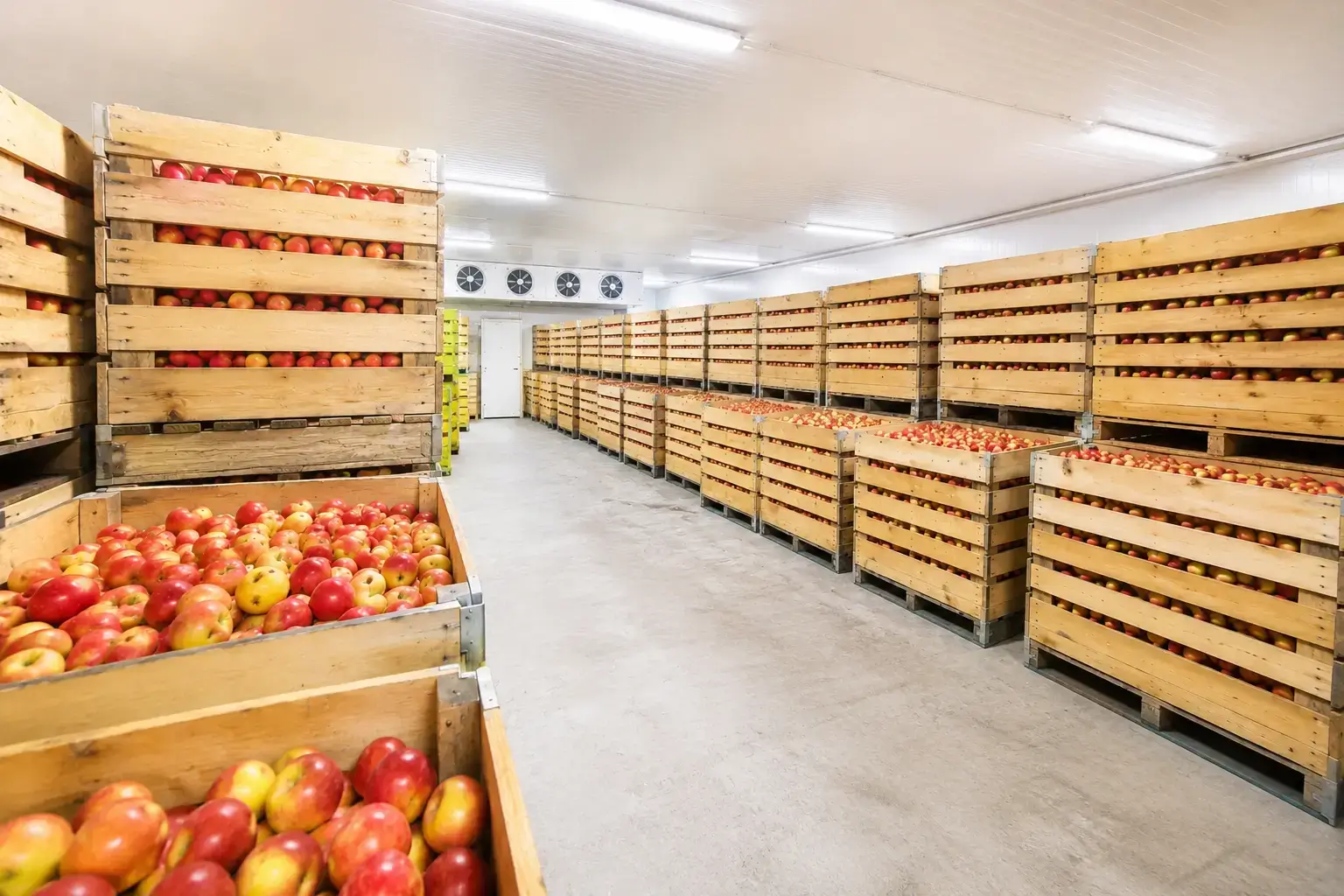
A Washington state apple grower harvests in October. Seven months later, the same apples can still be found on a retail shelf in Singapore—firm, crisp, and meeting commercial sugar content standards. Cold chain alone cannot realistically deliver this result. Under standard refrigeration at around 0°C, apples typically hold quality for three to four months before developing a mealy texture and noticeable flavor loss, at which point they are no longer suitable for premium markets.
The key factor that extends storage life is controlled atmosphere storage. It goes beyond temperature control and focuses on the air inside the storage room. In a sealed environment, oxygen is reduced, carbon dioxide is carefully managed, nitrogen is used for balance, and ethylene activity is suppressed. Together, these conditions significantly slow down the respiration process of fresh produce.
What you get is not just “chilled fruit,” but produce operating at a much lower metabolic rate. In practical terms, this allows apples to remain in good condition long enough to move across continents by sea freight instead of air freight.
This has changed how the fresh produce trade actually works. Growers in the Southern Hemisphere can supply Northern Hemisphere markets during off-season months. Packing houses can hold inventory and release it when pricing conditions are more favorable. What used to be a race against spoilage has become a more flexible and managed commercial process.
What Is Controlled Atmosphere Storage and Why It Matters
What Is Controlled Atmosphere Storage?
Controlled atmosphere storage is a post-harvest preservation method that extends the storage life of fresh produce by adjusting the gas composition inside a sealed cold room. The system lowers oxygen levels, controls carbon dioxide, adds nitrogen when needed for balance, and removes ethylene, all while maintaining stable temperature and humidity conditions.
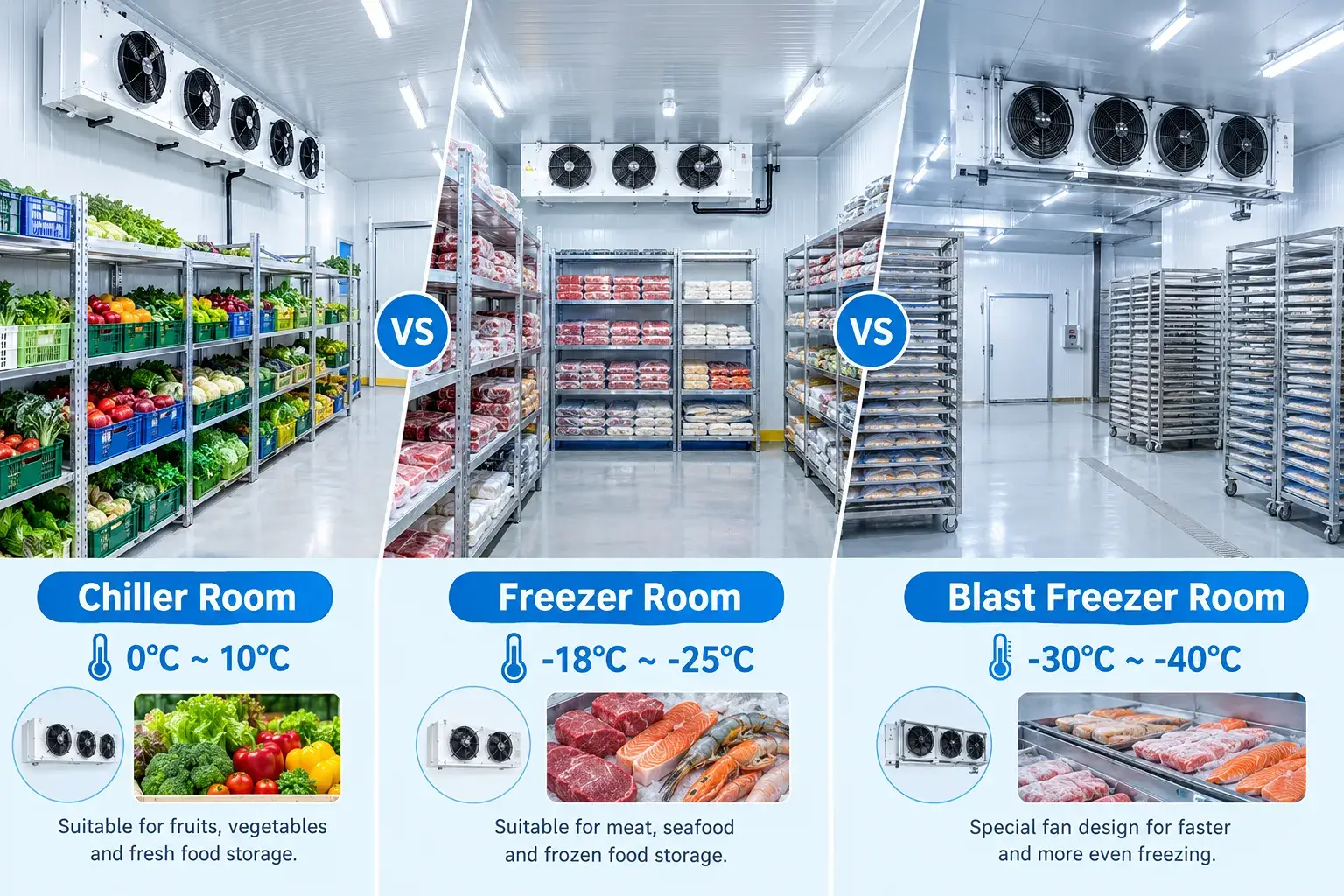
The defining distinction from conventional cold storage is straightforward. A standard cold room controls temperature. A CA storage room controls temperature plus the respiratory atmosphere. This additional dimension of control changes the physiological behavior of stored produce at a fundamental level.
Why Controlled Atmosphere Storage Is Important in Post-Harvest Technology
The importance of controlled atmosphere (CA) technology is closely tied to the length and complexity of modern supply chains. When fresh produce is shipped by container from Chile to China or from New Zealand to Europe, transit alone often takes four to six weeks. Without atmospheric control, this period can eat into a large part of the product’s shelf life, leaving much less usable quality once it reaches distribution centers.
In practice, CA storage helps address three very real challenges:
- Delayed ripening and senescence: By suppressing oxidative reactions, CA conditions slow the internal clock that drives produce toward maturity and decay.
- Reduced food loss: Extended storage windows mean less product discarded due to spoilage at each node of the supply chain.
- Long-distance trade enablement: Sea freight becomes viable for products that would otherwise demand costly air freight, opening export markets to a wider range of producers.
What Are the Benefits of Controlled Atmosphere Storage?
The benefits accumulate across multiple levels:
- Storage duration: CA conditions routinely double or triple the holding window for crops like apples and kiwifruit compared to refrigeration alone.
- Quality metrics: Firmness, color, acidity, and volatile aroma compounds degrade more slowly under controlled oxygen and carbon dioxide conditions.
- Commercial leverage: Produce can be stored and released when market prices favor the grower or packer, rather than when biological pressure forces a sale. For many operations, this market-timing capability alone justifies the capital expenditure.
How Controlled Atmosphere Storage Works
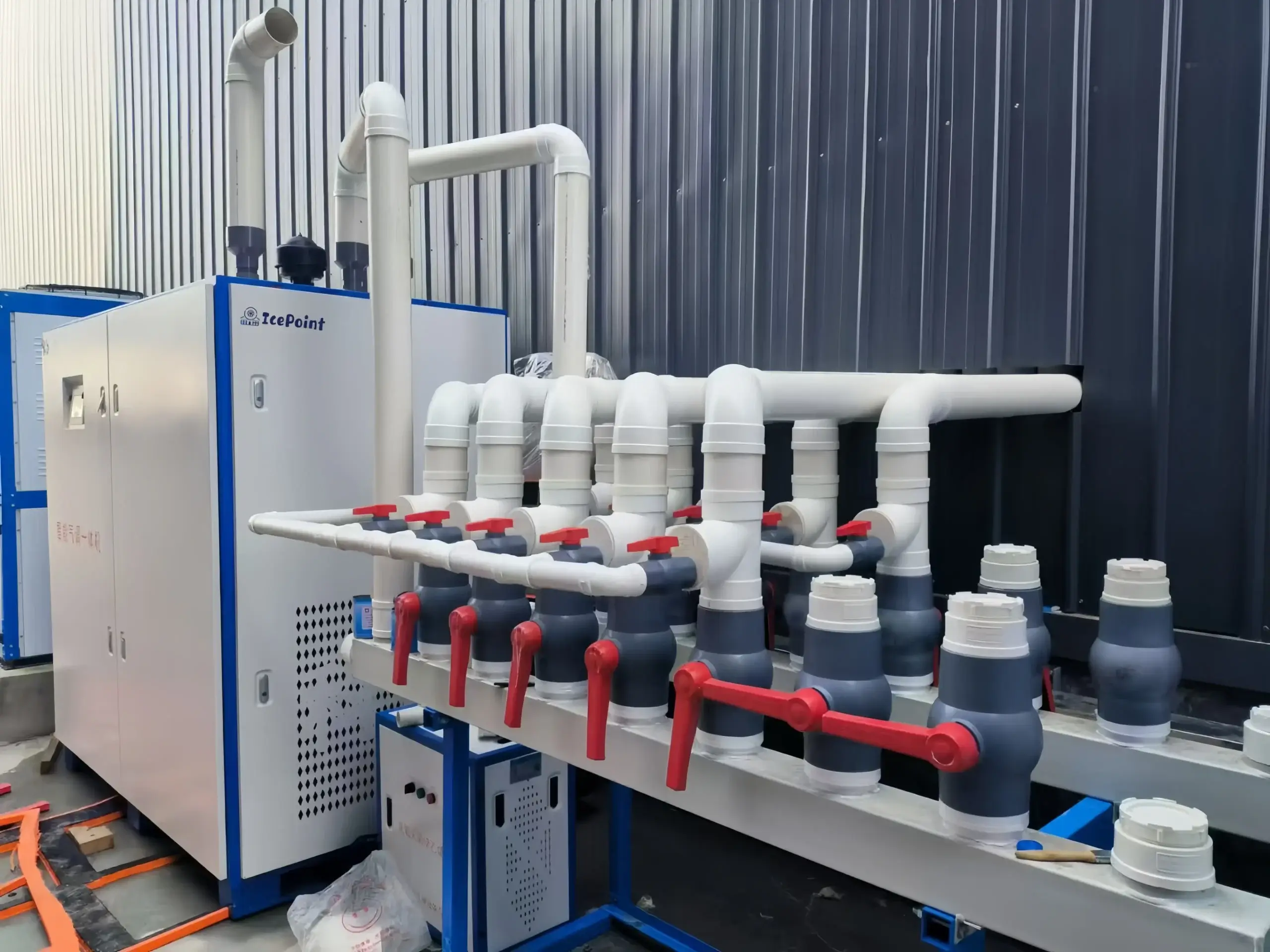
The operation of a controlled atmosphere (CA) room usually starts with sealing. A properly built CA storage room must achieve a certain level of airtightness, which is typically verified through pressure testing to ensure leakage stays within an acceptable range. Only after the room is sealed and fully loaded with produce does gas control begin.
Oxygen concentration is drawn down from the ambient 21% to target levels that vary by crop. For apples, this may mean 1-3% O₂. For kiwifruit, 1-2%. This low-oxygen environment suppresses aerobic respiration at the cellular level, reducing the rate at which stored carbohydrates and organic acids are consumed.
Carbon dioxide levels are simultaneously elevated or maintained within narrow bands. Depending on the crop, CO₂ may range from 1% to 5% or higher. Elevated CO₂ inhibits ethylene production and action while suppressing certain fungal pathogens.
Nitrogen, which constitutes the bulk of the atmosphere, is introduced to displace oxygen during pull-down and to maintain pressure balance as the gas composition shifts. It acts as an inert filler, biologically neutral but essential to maintaining the controlled environment.
Gas Composition in CA Storage
The specific gas regime depends on the crop, the storage duration target, and the cultivar characteristics. The key variables are:
- Oxygen controlled storage: Low O₂ reduces respiration rate. Too low, and the produce shifts into anaerobic metabolism, generating off-flavors, ethanol, and tissue breakdown. The lower oxygen limit varies by crop—pushing below it causes damage faster than most operators expect.
- CO₂ control storage: Elevated CO₂ suppresses ethylene synthesis and pathogen growth. But excessive CO₂ causes internal browning in apples, surface pitting in pears, and off-flavors in many commodities. The art of CA management lies in balancing O₂ suppression against CO₂ tolerance. - Nitrogen controlled storage: N₂ generation systems—typically membrane or pressure swing adsorption units—supply purified nitrogen to purge oxygen from the sealed room during the initial atmosphere establishment phase.
- Ethylene control storage: Ethylene is the ripening hormone. Even at parts-per-billion concentrations, it accelerates senescence in sensitive crops. CA systems incorporate ethylene scrubbers—potassium permanganate-based filters, catalytic converters, or UV-activated oxidation units—to keep ethylene levels below damaging thresholds.
Scientific Principle Behind CA Storage Technology
Respiration in fresh produce is essentially an oxidation process: glucose is broken down in the presence of oxygen, releasing energy while producing carbon dioxide and water. When oxygen levels drop, this process slows down, and overall metabolic activity decreases.Elevated CO₂ feeds back to inhibit key enzymes in the respiratory pathway
Ethylene biosynthesis follows a separate but interconnected route. Low O₂ suppresses the activity of ACC oxidase, the enzyme that catalyzes the final step of ethylene production. High CO₂ acts as a competitive inhibitor of ethylene binding to its receptor sites. The combined effect is a dramatic slowing of the ripening cascade.
Microbial growth is suppressed both by low temperature and by the altered gas environment. Many post-harvest fungal pathogens are obligate aerobes; reducing O₂ below their metabolic threshold limits spore germination and mycelial growth.
CA Cold Storage System and Room Design
CA Cold Storage System Components
The core components of a CA cold storage system include:
- Gas control equipment: Nitrogen generators, CO₂ scrubbers (often activated carbon or molecular sieve units), and ethylene removal systems. Each must be sized for the room volume and the respiration characteristics of the stored crop.
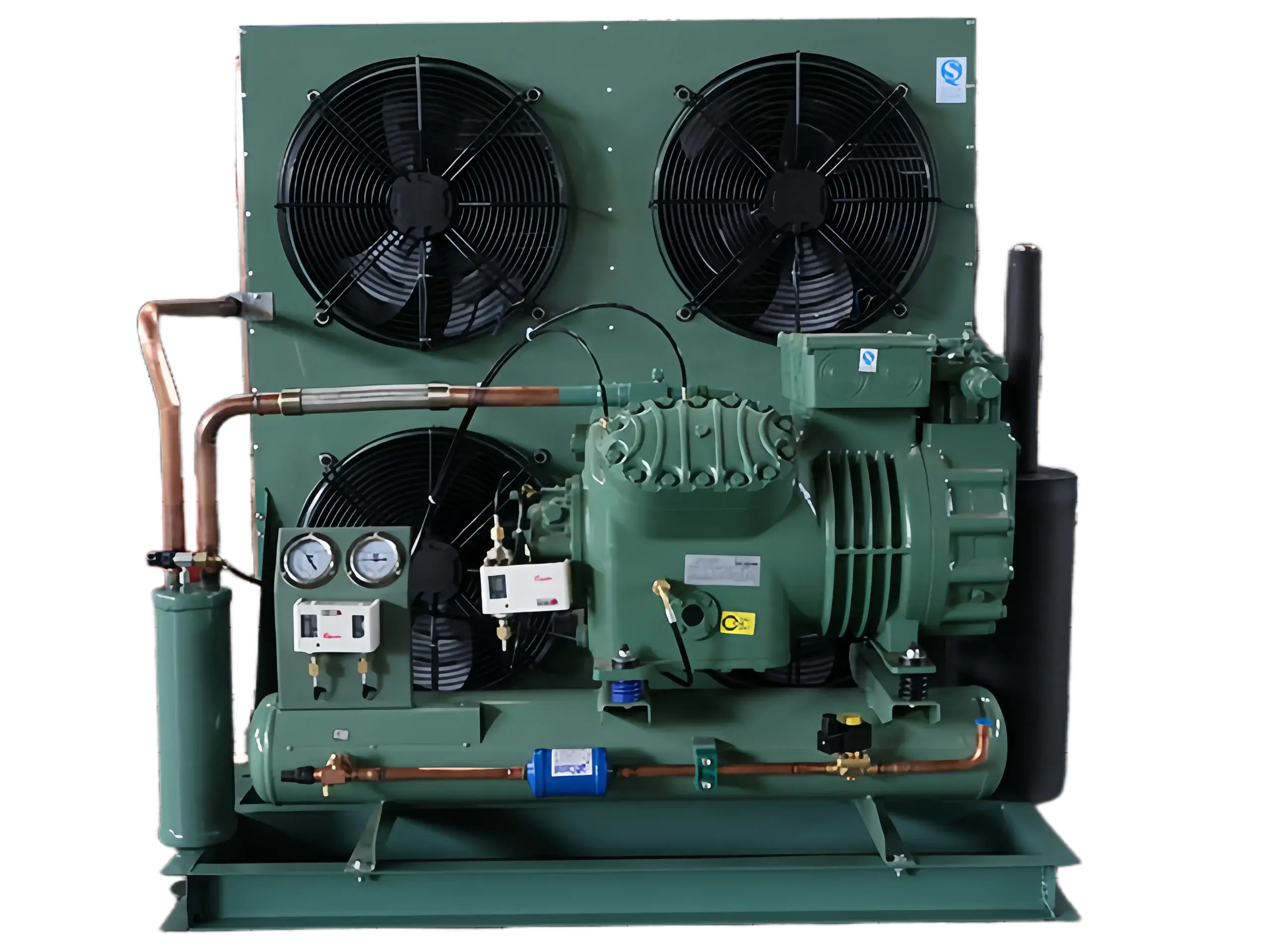
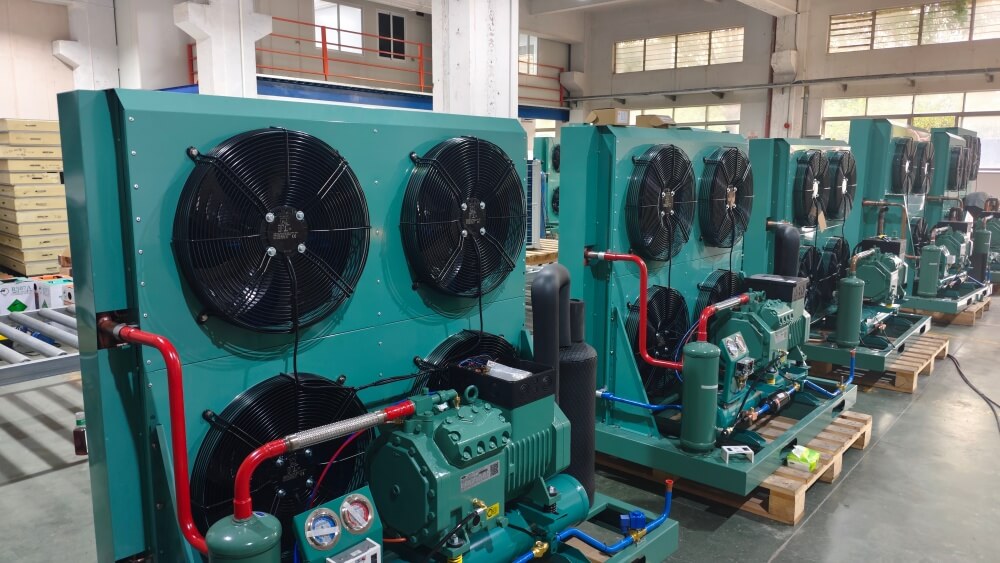
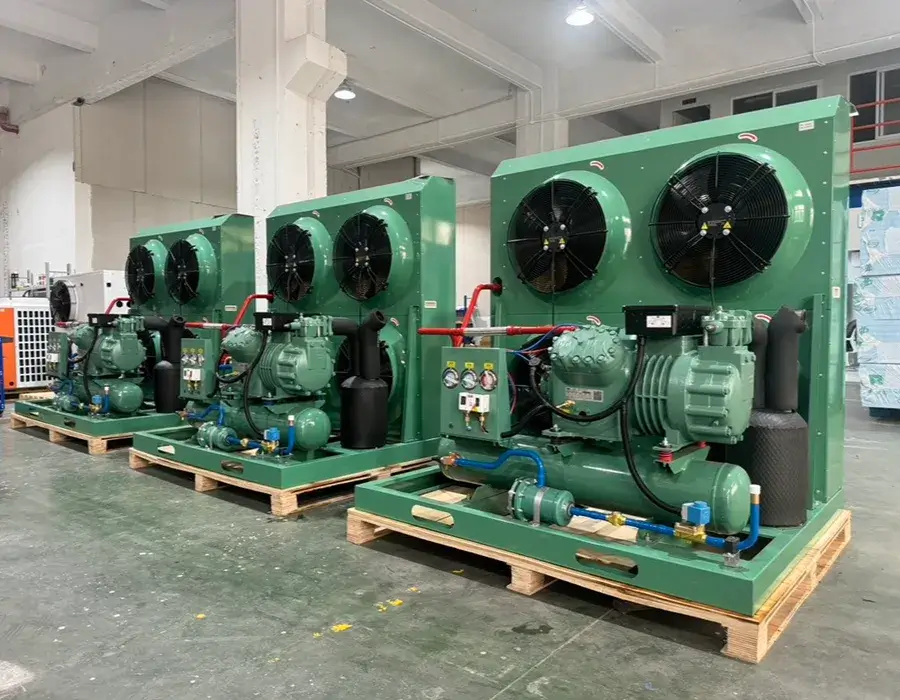
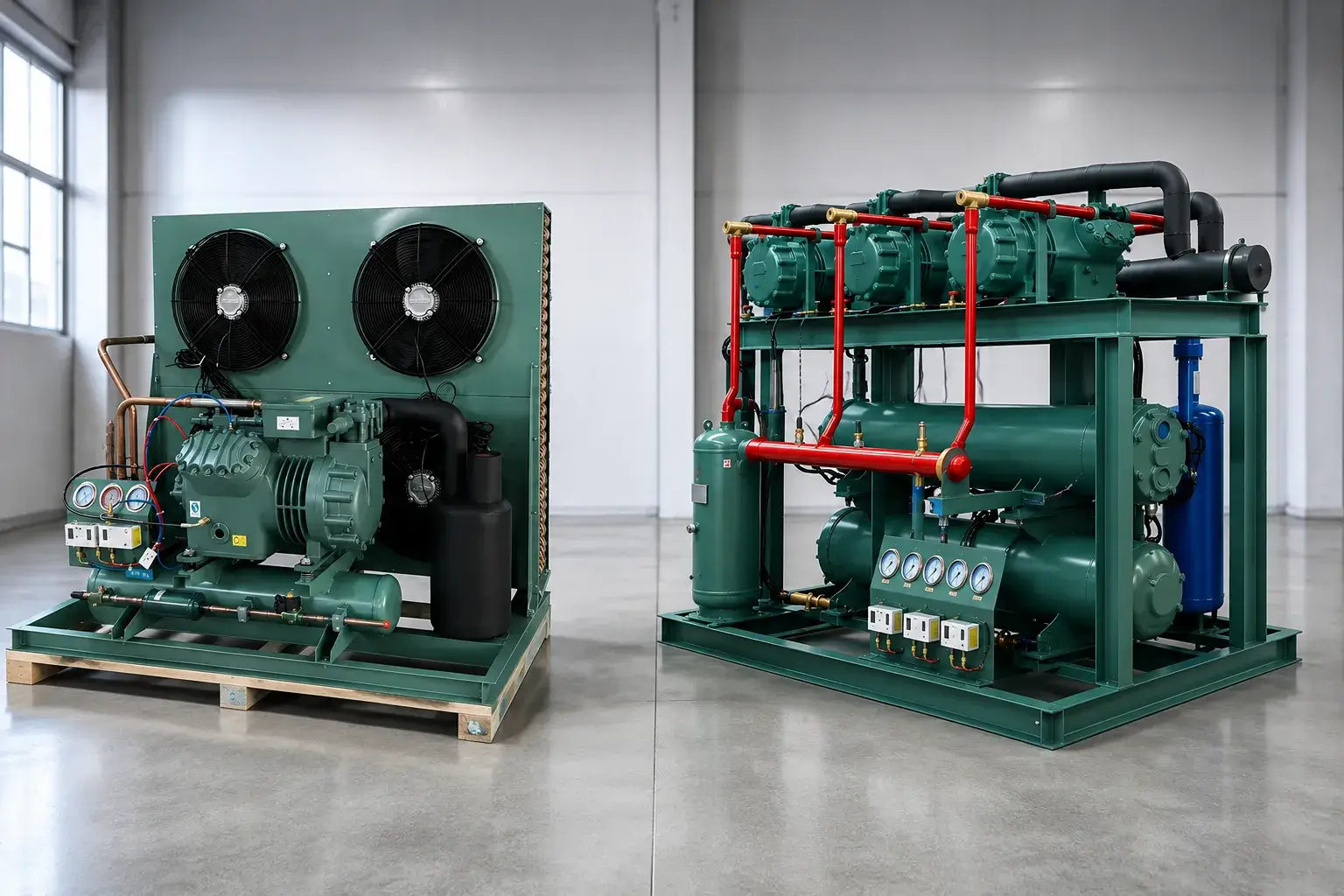
- Refrigeration system: CA rooms still require precise temperature control. The refrigeration circuit—compressors, condensers, evaporators—must function reliably in a sealed environment where defrost cycles and air circulation patterns affect gas distribution. - Gas detection and sensors: Continuous monitoring of O₂, CO₂, and optionally ethylene. Zirconia-based O₂ sensors and infrared CO₂ analyzers provide the accuracy required for tight control bands. Sensor drift must be calibrated against reference gases on a defined schedule.
- Automated control system: A central controller receives sensor inputs and actuates gas adjustment equipment. Modern systems incorporate programmable logic controllers with remote access capability, alarm thresholds, and data logging for compliance records.
Controlled Atmosphere Storage Design Considerations
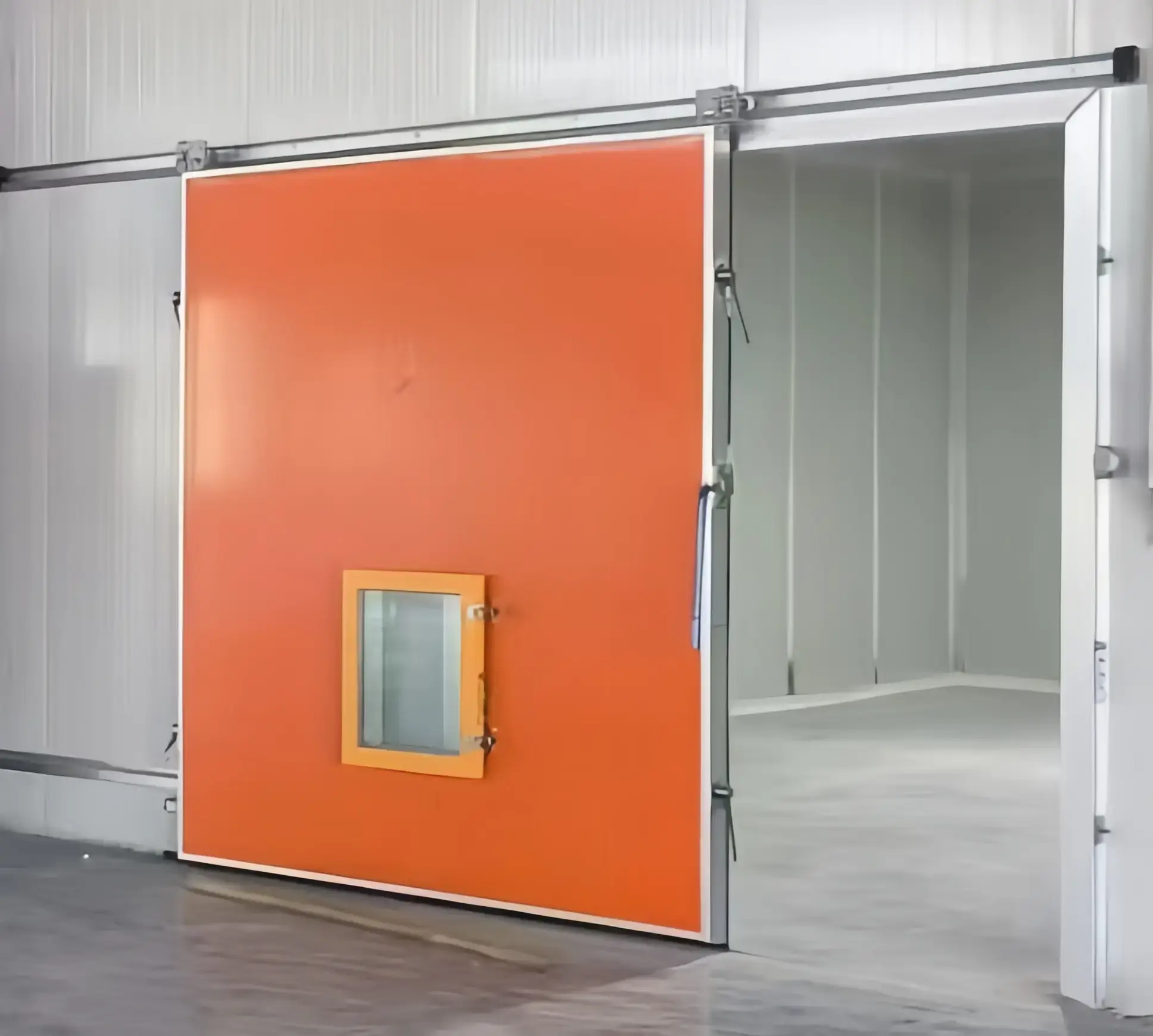
Facility design decisions made early in the project determine operational success years later:
- Seal integrity: Panel specifications, joint compounds, penetration details, and commissioning pressure tests all contribute to gas-tight performance. Remediation of leaks after construction is expensive and disruptive.
- Temperature and humidity integration: The evaporator selection and placement must account for the altered air properties in a low-O₂ environment. Humidity management often requires supplemental humidification to prevent produce desiccation over extended storage periods.
- Gas circulation layout: Unlike conventional cold rooms where airflow patterns prioritize temperature uniformity, CA rooms must also ensure uniform gas composition throughout the stored product mass. Stratification of CO₂ or depletion of O₂ in poorly circulated zones creates quality gradients within a single room.
Controlled Atmosphere Storage vs Normal Cold Storage
What Is the Difference Between CA Storage and Cold Storage?
The distinction is fundamental:
-
Cold storage controls temperature and, in well-designed systems, humidity. Product respiration continues at a rate determined by the holding temperature.
-
CA storage controls temperature, humidity, and atmospheric composition. Product respiration is actively suppressed by manipulating the gases driving the metabolic process.
A conventional cold room can hold apples at 0°C for approximately 3-4 months before quality becomes marginal. A CA room at the same temperature can extend that to 8-12 months, depending on variety. The temperature is identical. The difference lies entirely in the gas environment.
Key Performance Differences
| Parameter | Conventional Cold Storage | Controlled Atmosphere Storage |
|---|---|---|
| Storage Duration | Limited by respiration rate | Extended 2–3× or more |
| Quality Retention | Gradual decline | Maintained near-harvest levels |
| Ethylene Management | Limited or passive | Active removal |
| Capital Cost | Lower | Higher |
| Operating Cost | Lower per month | Higher per month, lower per kg-month |
| Market Flexibility | Limited by biology | Extended marketing window |
Modified Atmosphere Storage vs CA Storage
Modified atmosphere storage describes gas conditions established at the packaging level—typically within sealed plastic films where produce respiration creates a passively modified environment. The gas composition evolves over time and is influenced by product respiration rate, film permeability, and temperature. MA packaging is cost-effective for retail-ready products with short-to-medium shelf life requirements.
CA storage operates at the warehouse scale. Gas composition is actively measured and adjusted. The environment is stable over weeks and months, not subject to the drift inherent in passive systems. MA and CA serve different points in the supply chain: MA for the final package, CA for the bulk storage and distribution phase.
Fruits and Vegetables Suitable for CA Storage
Recommended Controlled Atmosphere Storage Conditions for Fruits and Vegetables
| Crop | Temperature (°C) | Relative Humidity (%) | Recommended O₂ Level | Recommended CO₂ Level | Notes & Variety Differences |
|---|---|---|---|---|---|
| Apple | 0–4 | 90–95 | 1.5%–3.0% | 1.0%–5.0% | Large varietal differences: ‘Fuji’ (1%–2% CO₂); ‘Golden Delicious’ (3%–5% CO₂); ‘Gala’ and ‘Red Delicious’ have higher CO₂ tolerance. |
| Pear | -1–1 | 85–95 | 1%–2% | 1%–2% | Asian pears generally tolerate higher CO₂ better than European pears. |
| Kiwifruit | 0–2 | 90–95 | 1%–2% | 3%–5% | Widely used commercially; responds very well to CA storage. |
| Grapes | -1–0 | 90–95 | 2%–5% | 1%–3% | Sensitive to CO₂; excessive levels may cause fermentation off-flavors; often combined with SO₂ for mold control. |
| Banana | 13–15 | 90–95 | 2%–5% | 2%–5% | Mainly used for long-distance sea freight; slows ripening. |
| Mango | 10–13 | 85–90 | 3%–5% | 5%–10% | Highly variety-dependent; some cultivars are more tolerant. |
| Avocado | 5–7 | 85–90 | 2%–5% | 3%–10% | CA storage helps reduce chilling injury sensitivity. |
| Peach / Nectarine | -0.5–0 | 90–95 | 1%–2% | 3%–5% | Mainly used for short-term shelf life extension and browning control. |
| Cherry | -1–0 | 90–95 | 3%–10% | 10%–15% | Tolerates relatively high CO₂; helps maintain stem freshness. |
| Citrus | Variety dependent | 85–90 | 5%–10% | 1%–5% | Response varies widely; oranges are used for short-term storage; CA adoption remains limited overall. |
| Leafy Greens | 0–1 | 95–98 | 2%–5% | 5%–10% | High respiration rate; CO₂ helps maintain green color but requires strict control to avoid off-flavors. |
| Cabbage / Chinese Cabbage | 0–2 | 95–100 | 2%–3% | 3%–6% | CA storage significantly extends market availability. |
| Potato | 4–7 | 90–95 | Not specifically required | Generally not used | Focus is on sprout suppression and sugar management; CA storage is rarely applied commercially. |
Fruit CA Storage Applications
The economic case for CA storage is strongest for high-value fruit with established export markets and seasonal production patterns.
Apple controlled atmosphere storage represents the most mature application. Commercial protocols for cultivars like Gala, Fuji, Honeycrisp, and Granny Smith specify O₂ levels between 1-3%, CO₂ between 1-5%, and temperatures near 0°C. Dynamic controlled atmosphere techniques, where O₂ is lowered until the fruit's anaerobic compensation point is detected via chlorophyll fluorescence or ethanol measurement, now push storage windows toward 12 months for certain varieties.
Kiwi CA storage operates under tighter constraints. Hayward green kiwifruit typically stores at 0°C with 1-2% O₂ and 3-5% CO₂. Gold-fleshed varieties like Zespri SunGold require different gas regimes due to their lower tolerance for elevated CO₂ and their sensitivity to ethylene—ethylene concentrations as low as 5 ppb can initiate flesh softening in gold kiwifruit.
Grape CA storage uses sulfur dioxide in combination with controlled atmosphere to suppress Botrytis. O₂ levels are typically maintained at 2-5%, with CO₂ at 3-5%. The SO₂ pads or generators that prevent gray mold are complemented by the CA environment, which slows berry respiration and stem dehydration.
Vegetable CA Storage Applications
Vegetable CA storage is less widely commercialized than fruit applications, but select commodities benefit significantly:
- Leafy greens such as lettuce and spinach respond to reduced O₂ and elevated CO₂, though storage windows are measured in weeks rather than months.
- Root vegetables including carrots and parsnips can be stored under CA conditions to reduce sprouting and maintain sugar content.
- Brassica crops like cabbage and broccoli benefit from CO₂ elevation to delay yellowing, though tolerance to low O₂ varies by cultivar.
Which Fruits Are Stored in Controlled Atmosphere Storage?
The common characteristics of CA-suitable fruits include high unit value, clear seasonality, export market orientation, and demonstrated physiological response to gas modification. Apples, pears, kiwifruit, and certain stone fruit varieties lead commercial CA utilization globally. Avocados, mangoes, and persimmons represent growing applications as protocols mature and market demand for year-round availability increases.
Controlled Atmosphere Storage Technology in Modern Cold Chain
Post Harvest Storage Technology Integration
CA storage does not operate in isolation. It interfaces with pre-cooling systems that remove field heat before storage, with grading and packing lines that process fruit after removal from CA, and with refrigerated transport that maintains the cold chain to destination.
The most effective post harvest storage technology implementations treat CA as one module in an integrated system. Pre-cooling to remove field heat must occur before CA room loading—introducing warm product into a sealed CA environment disrupts the established gas equilibrium and stresses the refrigeration system. Similarly, fruit removed from CA for packing must be managed carefully; the transition from low-O₂ to ambient atmosphere triggers a metabolic shift that accelerates ripening unless temperature is tightly controlled.
CA Storage in Export Supply Chains
Sea freight has transformed from a limitation to a logistics advantage when paired with CA technology. A container of apples from New Zealand can reach European markets in 5-6 weeks by vessel—a transit that would consume most of the shelf life of conventionally stored fruit. Under CA conditions, that transit represents a manageable fraction of total storage potential.
This capability allows Southern Hemisphere producers to supply Northern Hemisphere markets during their off-season, capturing price premiums that would otherwise be unavailable. It also reduces reliance on air freight, cutting logistics costs and carbon footprint simultaneously.
Role of Oxygen and Ethylene Control in Quality Preservation
The interaction between oxygen and ethylene control defines CA performance. Low O₂ suppresses ethylene production but does not eliminate it entirely. Residual ethylene, even at sub-ppm concentrations, can drive ripening in sensitive crops over extended storage periods. Active ethylene removal is therefore essential in long-term CA storage.
Flesh softening, one of the primary modes of quality loss in stored fruit, is directly linked to ethylene-driven enzyme activity. Browning reactions, both enzymatic and oxidative, accelerate when ethylene is present and O₂ is available. The combination of low oxygen plus ethylene scrubbing addresses both pathways simultaneously, preserving texture and color across storage durations that would otherwise be unachievable.
Controlled Atmosphere Storage Cost and Investment Considerations
How Much Does a Controlled Atmosphere Storage System Cost?
Capital costs for CA storage systems vary widely based on room size, crop requirements, and automation level. A small-scale CA room of 100-200 metric tons capacity may require an investment in the range of $150,000-$300,000 for the complete system—structure, refrigeration, gas control, and monitoring. Larger commercial installations of 1,000-2,000 tons scale into the millions, though per-ton costs decrease with size.
The gas control equipment—nitrogen generator, CO₂ scrubber, ethylene removal, and control system—typically represents 20-35% of the total system cost, depending on sophistication. The gastight building envelope adds a premium over standard cold room panel construction.
Factors Affecting CA Storage Cost
Several variables drive cost variability:
- Room size and configuration: Larger rooms achieve economies of scale but require more sophisticated gas distribution systems. Multiple smaller rooms offer operational flexibility at higher per-unit cost.
- Gas control complexity: Dynamic CA systems with real-time fruit physiology monitoring cost more than static set-point systems but can push storage durations further.
- Automation level: Remote monitoring, automated alarms, and integrated data logging add upfront cost but reduce labor requirements and risk of operator error.
- Crop-specific requirements: Some commodities require tighter control bands, faster pull-down capability, or specialized ethylene management, all of which influence equipment specification and cost.
ROI of CA Storage in Commercial Agriculture
Return on investment derives from three primary sources:
- Reduced post-harvest loss: Produce that would spoil before reaching market instead generates revenue. Loss reduction of 10-20 percentage points is commonly reported after CA implementation.
- Market timing premium: The ability to store product and release it when prices are favorable—often during off-season windows—can increase per-unit revenue by 30-50% or more for certain commodities.
- Export market access: CA capability is often a prerequisite for participating in long-distance export programs. Without it, producers are locked out of premium markets entirely.
Most commercial CA installations achieve payback within 3-5 years, with accelerated returns when serving high-value export markets or when replacing air freight with sea freight logistics.
Advantages of Controlled Atmosphere Storage Technology
Extended Long-Term Fruit Storage Capability
The headline advantage of long term fruit storage under CA conditions is the extension of marketable life. Apples that would soften and lose acidity in 3-4 months under conventional refrigeration maintain harvest quality for 8-12 months in CA. Kiwifruit storage extends from 3-4 months to 6-8 months. These extensions convert seasonal harvests into year-round supply programs.
Improved Quality Retention
Quality parameters degrade on different timelines under CA versus conventional storage. Firmness retention is measurably superior—penetrometer readings on CA-stored apples consistently exceed those of refrigerated controls after equivalent storage periods. Color, particularly green background color in apples and green flesh color in kiwifruit, is preserved by the suppression of chlorophyll degradation. Acidity and soluble solids remain closer to harvest values, maintaining the flavor balance that consumers expect.
Reduced Post-Harvest Losses
The economic impact of loss reduction is substantial. Global estimates suggest that 30-40% of fruits and vegetables are lost post-harvest in developing cold chain markets. Even in mature markets, storage losses of 5-10% are common for conventionally stored product. CA storage pushes these figures toward the lower end of the range, representing significant tonnage that converts from waste to revenue.
Future Trends in CA Storage Technolog
Smart CA Cold Storage System
The next generation of CA cold storage system design integrates machine learning with physiological monitoring. Rather than operating on fixed gas set points, dynamic CA systems continuously measure fruit responses—chlorophyll fluorescence, ethanol production, respiratory quotient—and adjust O₂ and CO₂ levels in real time. This approach pushes storage duration further while reducing the risk of low-O₂ or high-CO₂ injury that can occur with static protocols.
Automated control systems increasingly incorporate predictive algorithms that anticipate gas consumption based on room loading, fruit maturity at harvest, and historical performance data. These systems adjust nitrogen generation and CO₂ scrubbing in advance of demand, reducing energy consumption and improving stability.
Integration with IoT and Cold Chain Monitoring
Cloud-connected sensor networks now allow operators to monitor CA room conditions from any location. Real-time alerts flag deviations before they cause product damage. Historical data logs support traceability requirements and provide documentation for quality assurance audits by buyers and certification bodies.
The integration of CA room data with transport monitoring and retail receipt records creates an unbroken cold chain record. This visibility is increasingly demanded by retailers and importers who require proof of continuous temperature and atmosphere management from origin to destination.
Conclusion
Controlled atmosphere storage represents the intersection of refrigeration engineering, plant physiology, and commercial logistics. By precisely controlling oxygen, CO₂, nitrogen, and ethylene levels within gastight environments, the technology extends storage windows far beyond what temperature control alone can achieve.
For high-value commodities—apples, kiwifruit, grapes, and a growing range of other fruits and vegetables—CA cold storage is not an optional upgrade. It is a competitive necessity. The producers and packers investing in controlled atmosphere storage design today are positioning themselves for the supply chain demands of the next decade: year-round availability, consistent quality, and documented cold chain integrity from farm to consumer.
The technology continues to evolve. Dynamic control systems, IoT integration, and AI-driven management tools are pushing the boundaries of what post-harvest storage can deliver. But the fundamental principle remains unchanged: control the atmosphere, and you control the biology. Control the biology, and you control the commercial outcome.