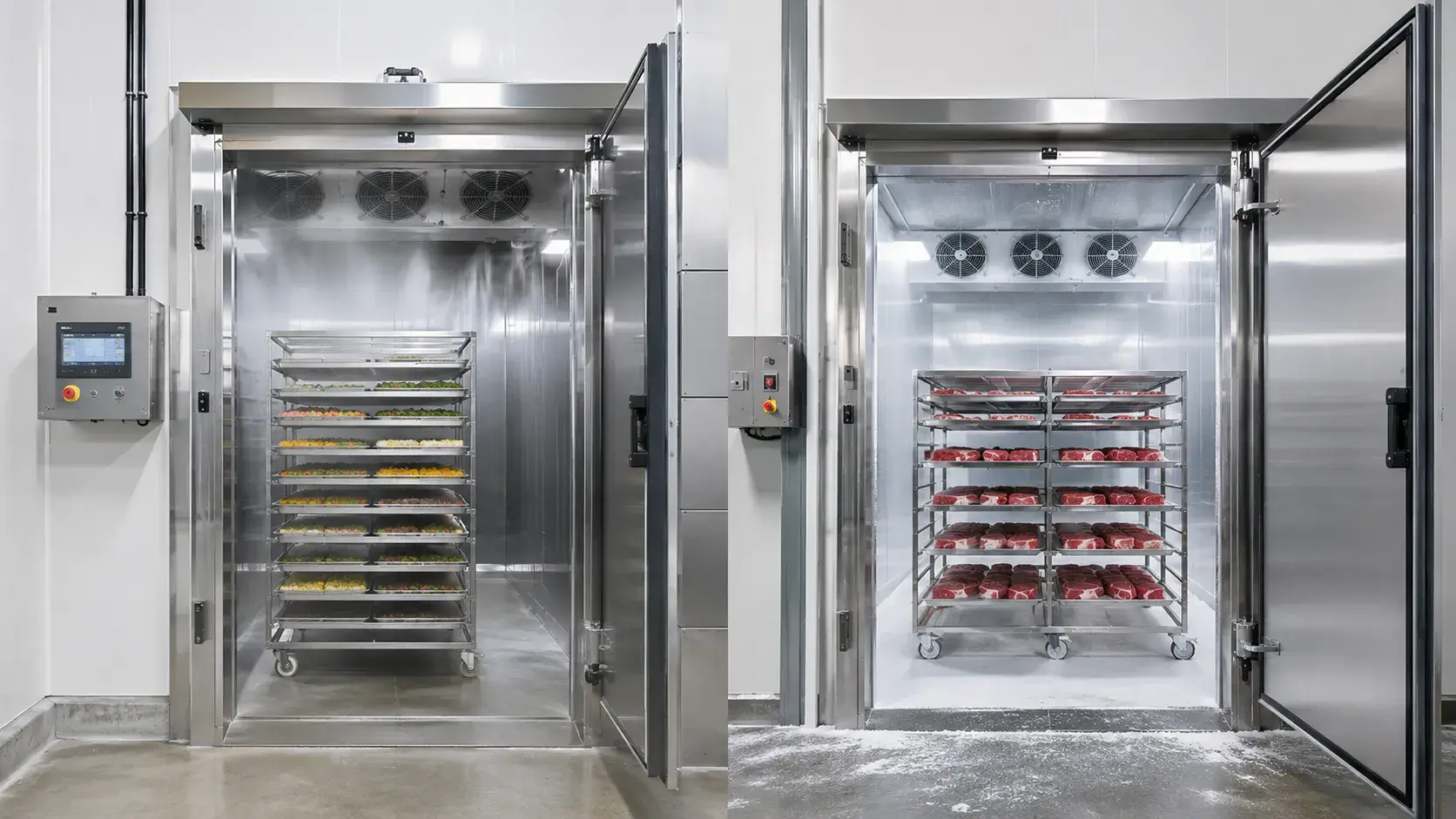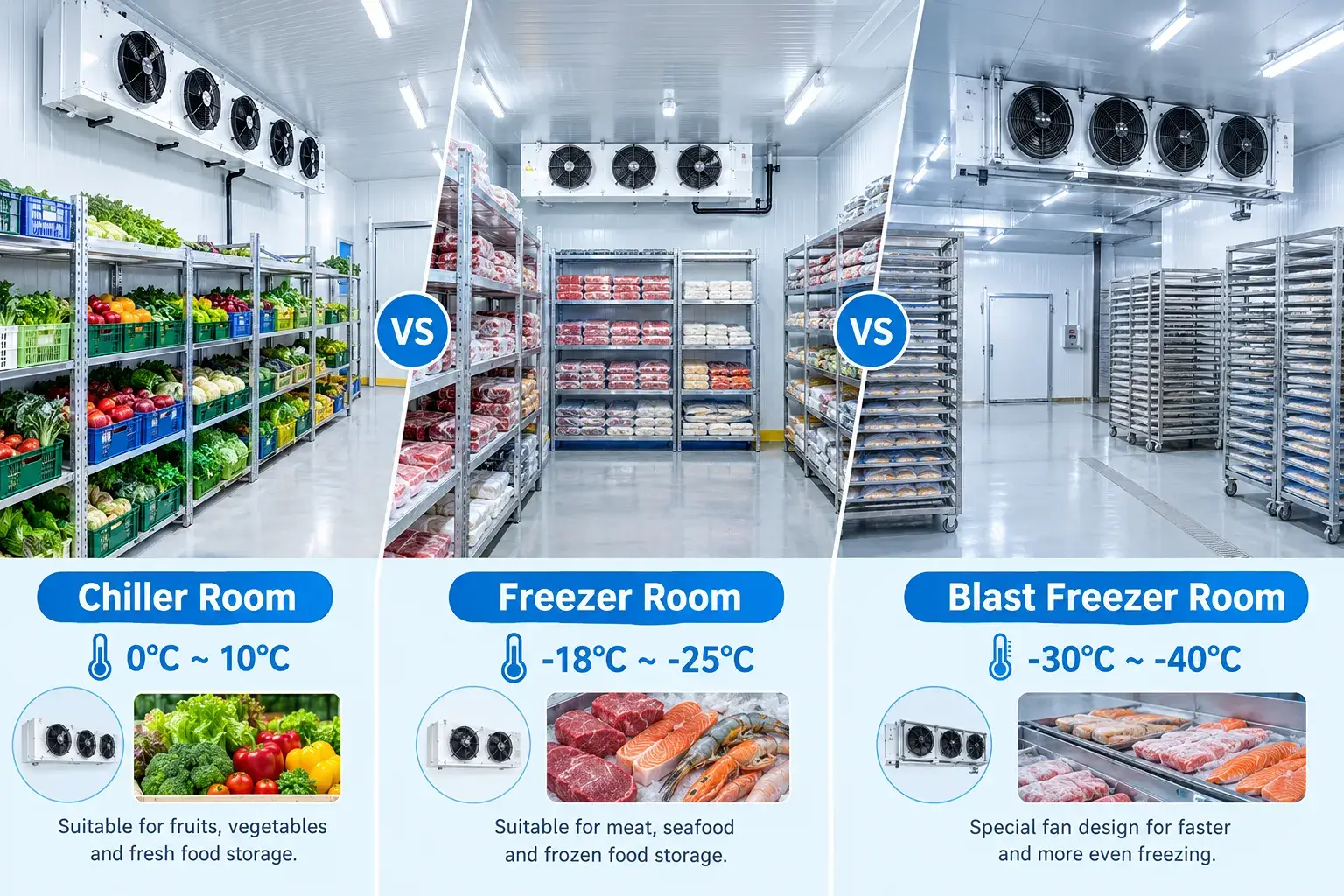
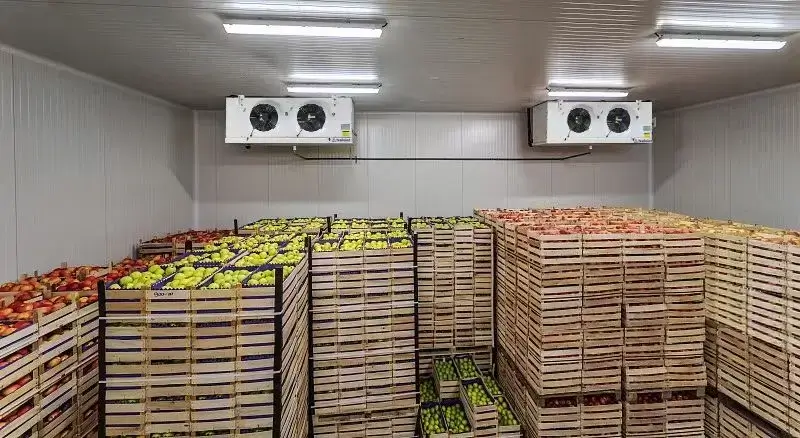
Introduction
In most fresh produce supply chains, cold storage is not optional—it’s the part that decides how far the product can actually go.
Fruits and vegetables stay biologically active after harvest. They keep respiring, lose moisture, and continue ripening even after being packed. Once temperature and humidity are not properly controlled, deterioration becomes obvious quite quickly. Typical issues include shrinkage from water loss, softening, mold growth, and gradual flavor decline.
This is why growers, exporters, supermarket chains, and cold chain operators all rely on fruit and vegetable cold storage systems. The goal is simple in practice: slow down natural biological activity enough so the product survives transport, distribution, and retail handling without losing commercial value.
Importance of Fruit and Vegetable Cold Storage in Post-Harvest Chain
Why Are Fruits and Vegetables Kept in Cold Storage?
Fresh produce continues to respire after harvest. During respiration, fruits and vegetables consume oxygen and release heat, moisture, and carbon dioxide.
Cold storage helps:
- Slow down respiration rates
- Delay ripening and aging
- Reduce microbial growth
- Minimize post-harvest losses
Lower temperatures allow produce to maintain freshness for a longer period, especially during transportation and distribution.
Role of Produce Cold Storage Warehouse in Supply Chain
A modern produce cold storage warehouse is more than just a storage space. In practice, it works as a buffer between harvest and market demand.
These facilities are commonly used for:
- export consolidation
- seasonal supply balancing
- distribution hub operations
- long-distance transport staging
For international trade, especially sea freight, cold storage is often the point where product quality is “locked in” before it enters weeks of transit.
Impact of Post-Harvest Storage Conditions
Temperature stability is usually underestimated. Even small fluctuations can shorten shelf life more than expected.
When conditions are not well controlled, the typical issues show up quickly:
- faster decay
- surface dehydration
- weight loss
- texture and flavor degradation
In practice, consistency matters more than extreme precision. A stable environment usually performs better than a theoretically “perfect” but unstable one.
Optimal Temperature for Fruit and Vegetable Cold Storage
What Temperature Should Fruits and Vegetables Be Stored At?
There is no single standard temperature for all produce. Each crop behaves differently based on its respiration rate and sensitivity to chilling injury.
Temperature control is basically the foundation of cold storage design, and everything else builds on it.
Fruit and Vegetable Cold Storage Temperature Guide
| Type | Recommended Temperature |
|---|---|
| 🍎 Apples | 0–4°C |
| 🍇 Grapes | 0°C |
| 🍊 Citrus Fruits | 4–8°C |
| 🥭 Tropical Fruits | 10–13°C |
| 🥬 Leafy Vegetables | 0–2°C |
| 🥕 Root Vegetables | 0–4°C |
| 🎃 Pumpkin and Squash | 8–12°C |
Common storage temperatures for fresh produce vary significantly depending on species, origin, and physiological characteristics.
Instead of separating fruits and vegetables strictly, modern cold storage design typically adopts a zoned temperature strategy, where products are grouped based on respiration rate, temperature sensitivity, and storage requirements.
Temperature Characteristics of Fruits
Fruits generally fall into two main categories:
Tropical fruits (banana, mango, pineapple, etc.)
These require relatively higher storage temperatures (typically 10–13°C) to avoid chilling injury and physiological damage.
Temperate fruits (apple, pear, grape, etc.)
These can be stored at lower temperatures, often close to 0°C, enabling long-term preservation and extended shelf life.
Fruits are also highly sensitive to ethylene gas, which can accelerate ripening and aging during storage. Therefore, ethylene management is an important factor in fruit cold storage design.
Temperature Characteristics of Vegetables
Vegetables are generally more sensitive to moisture loss, temperature fluctuations, and microbial growth.
Typical storage requirements include:
- Low-temperature storage (0–5°C for most leafy vegetables)
- High relative humidity (90%–98% RH)
- Stable and uniform airflow to prevent dehydration
Leafy vegetables such as lettuce, spinach, and herbs require particularly strict environmental control to maintain freshness, texture, and visual quality during storage and distribution.
Integrated Storage Strategy
In real cold storage projects, fruits and vegetables are usually stored in separate temperature zones rather than a single uniform environment.
This approach helps optimize storage conditions for different product types while improving overall warehouse efficiency.
Key design considerations include:
- Temperature zoning based on product type
- Separation of ethylene-sensitive products
- Independent humidity control per zone
- Optimized airflow design for each storage area
If you want, I can also turn this into a table format + equipment mapping (small cold room vs CA warehouse vs export facility) to make it even stronger for Alibaba or Google landing pages.
Advanced Cold Storage System Options
In modern fruit and vegetable cold storage projects, different scales of operation require different system configurations.
Beyond standard refrigeration and humidity control, advanced facilities often integrate three key systems:
- Controlled Atmosphere (CA) System
- Humidification System
- Fresh Air Ventilation System
These systems work together to further improve storage stability, extend shelf life, and reduce post-harvest losses.
1. Controlled Atmosphere (CA) System
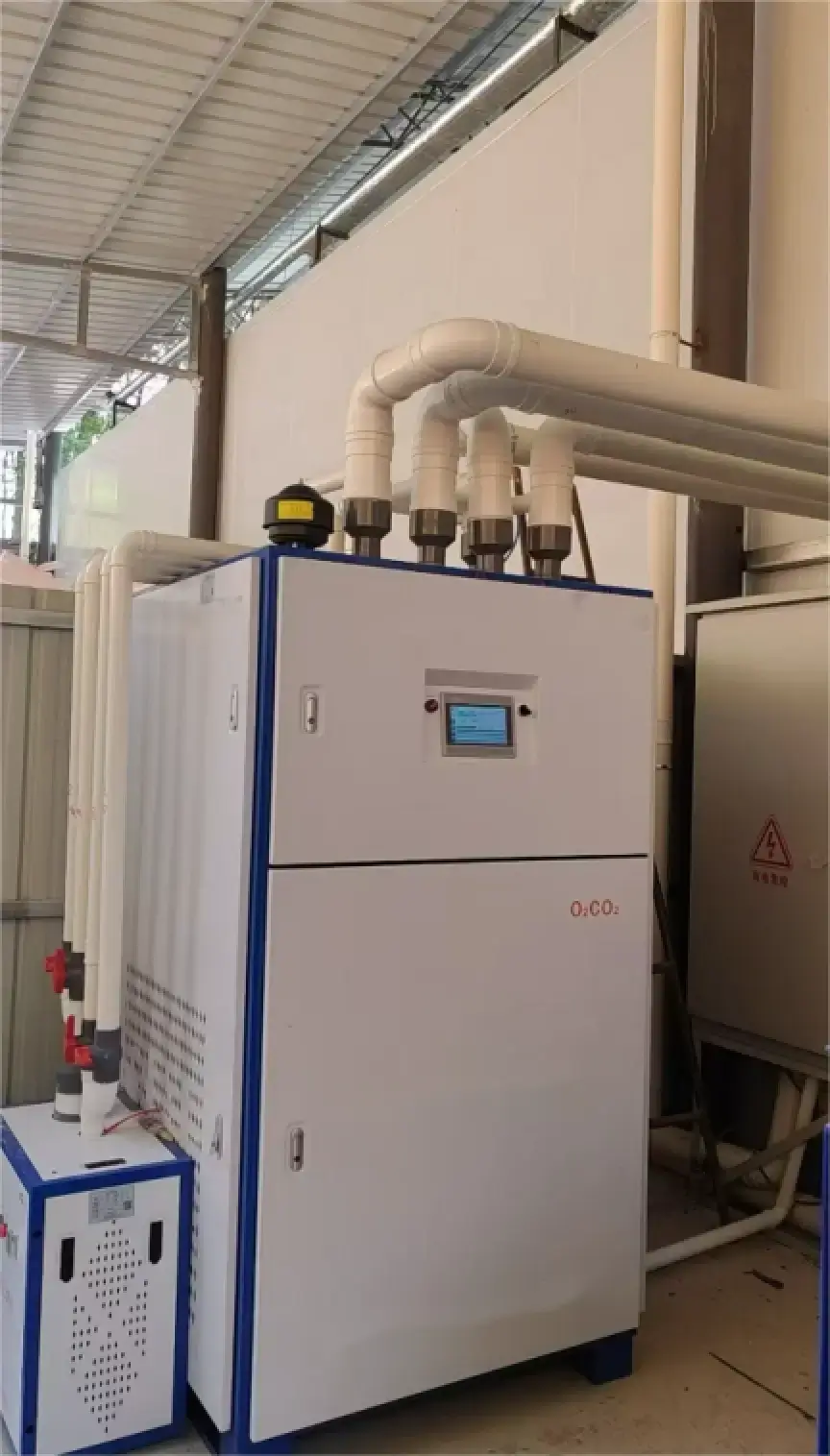
A Controlled Atmosphere storage system regulates oxygen (O₂), carbon dioxide (CO₂), and sometimes ethylene levels inside the cold room.
Key Benefits:
- Slows down respiration rate significantly
- Extends storage life for apples, pears, kiwifruit, etc.
- Reduces over-ripening and aging process
- Maintains firmness and natural taste for longer periods
Why it matters:
Compared with standard cold storage, CA systems allow long-term storage (months instead of weeks), making them ideal for export-oriented supply chains and seasonal price balancing.
2. Humidification System
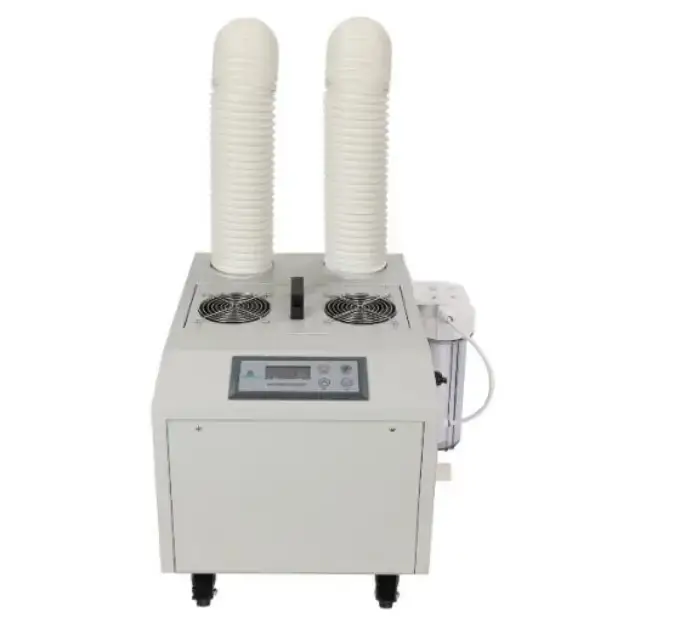
A humidification system maintains optimal relative humidity levels inside the cold room, especially for fresh produce that loses moisture easily.
Key Benefits:
- Prevents weight loss caused by dehydration
- Maintains surface freshness and visual quality
- Reduces wilting in leafy vegetables
- Improves market appearance and selling value
Why it matters:
Without proper humidity control, even low-temperature storage cannot prevent shrinkage and quality loss, especially during long storage cycles or frequent door opening operations.
3. Fresh Air Ventilation System

A fresh air ventilation system manages air exchange between the cold room and external environment, helping control gas accumulation.
Key Benefits:
- Removes excess carbon dioxide buildup
- Reduces ethylene concentration in storage space
- Improves overall air quality inside large warehouses
- Supports stable long-term storage conditions
Why it matters:
In large-scale cold storage facilities, especially CA systems, gas balance is critical. Without proper ventilation, product quality degradation can accelerate even under correct temperature conditions.
System Integration Advantage
When these three systems are combined with standard refrigeration and insulation design, the cold storage performance is significantly improved:
- Longer shelf life
- Lower post-harvest losses
- Better export quality retention
- More stable supply chain operations
This is especially important for commercial warehouses, export packing houses, and large distribution centers handling high-value fresh produce.
Cold Room for Fruits and Vegetables Design Principles
What Is a Cold Room for Fruits and Vegetables?
It is a temperature-controlled environment designed specifically for fresh produce handling and storage.
In real projects, these rooms are typically used for:
- short-term holding after harvest
- long-term storage for export programs
- logistics and distribution staging
Structure of Produce Cold Storage Warehouse
A typical cold storage warehouse includes:
- PU insulated panels
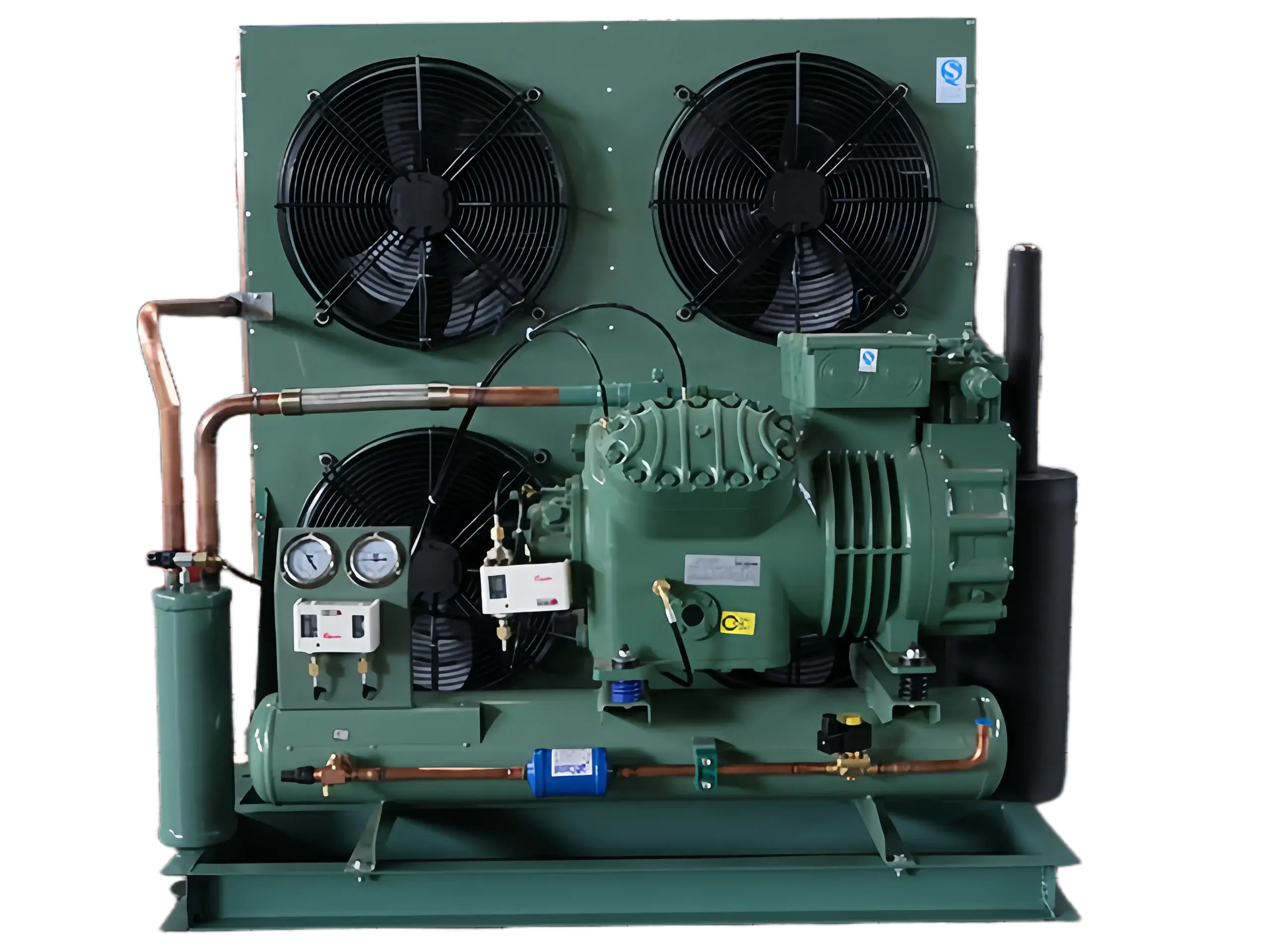
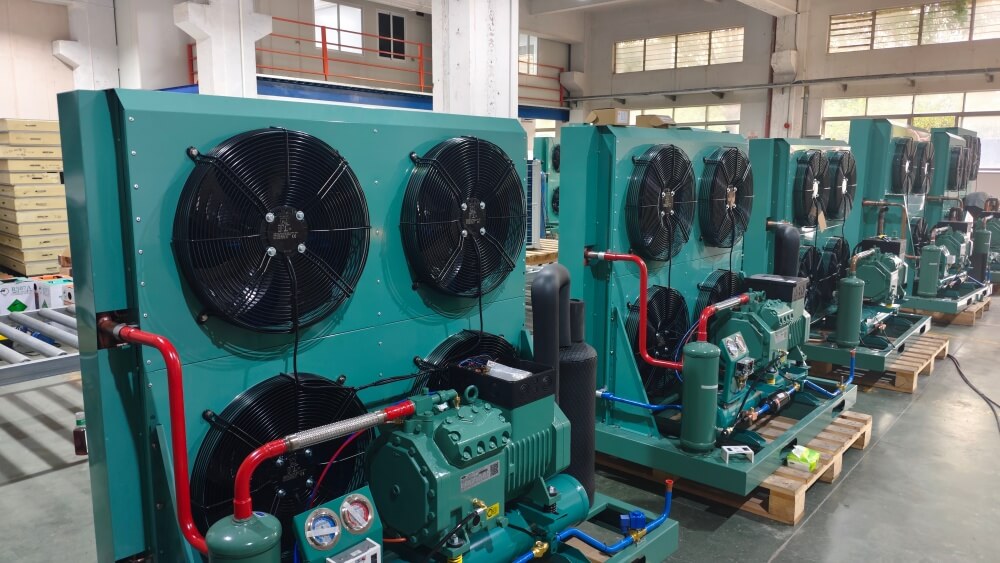
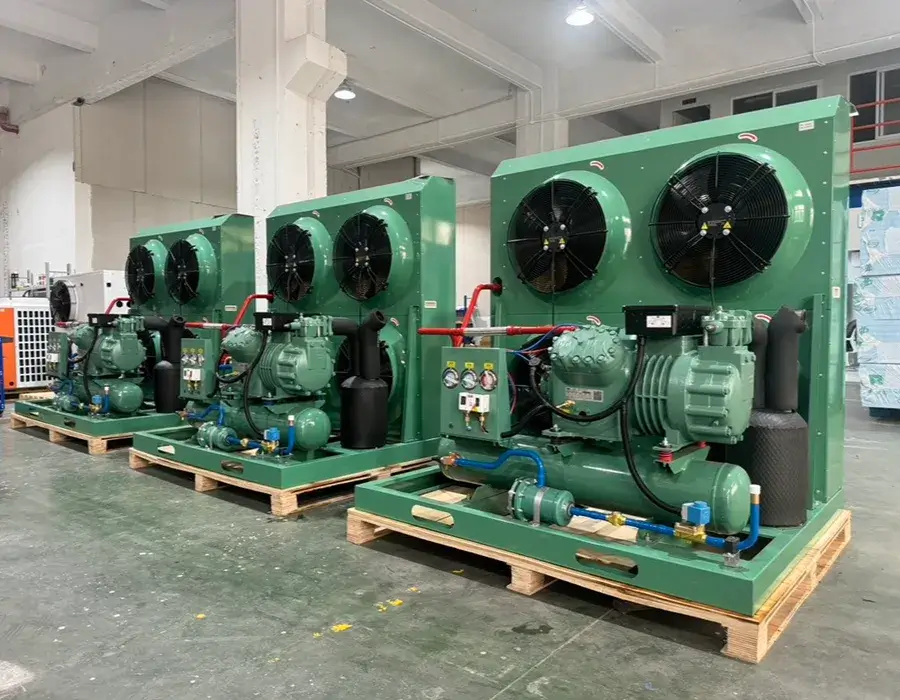
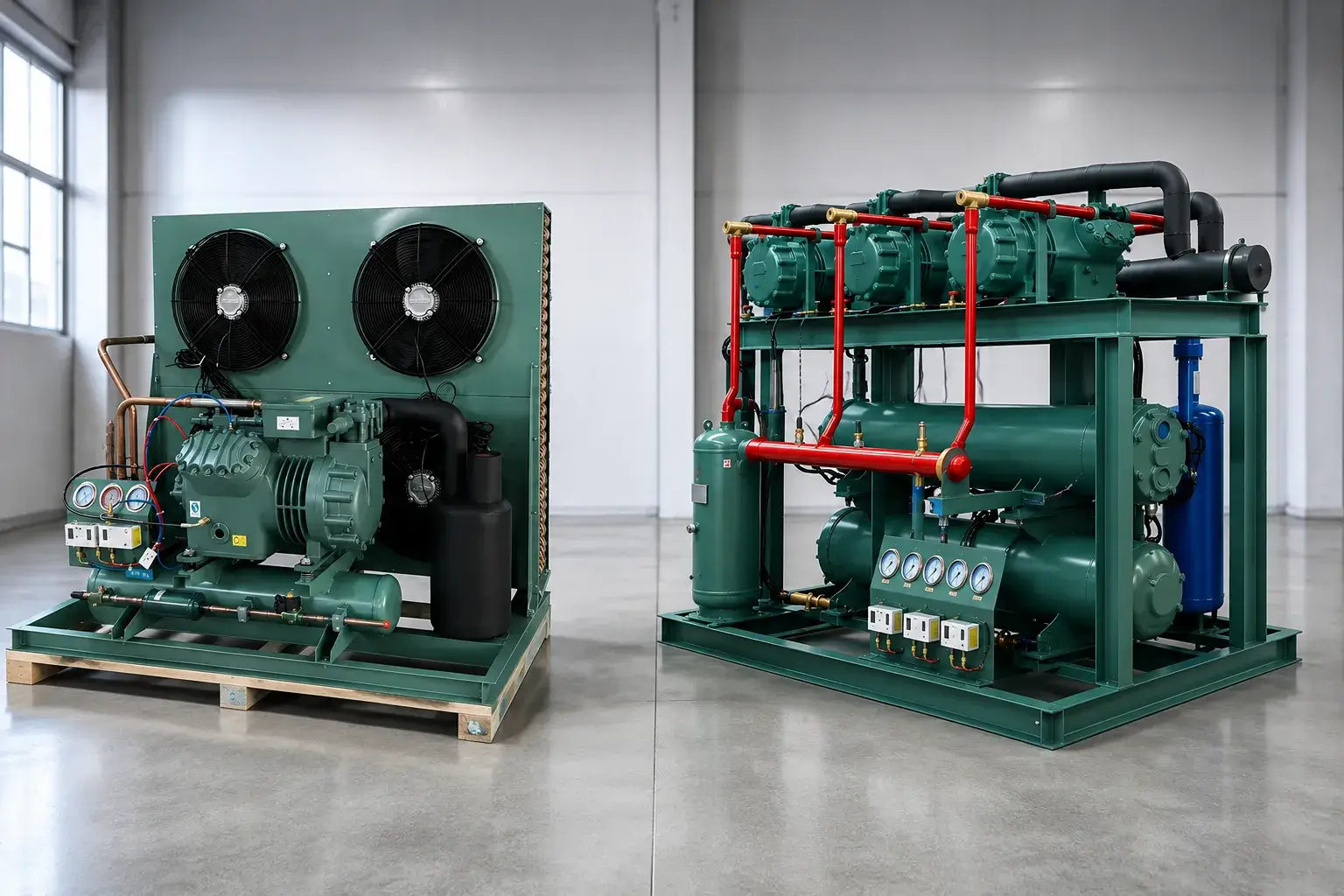
- refrigeration system
- air circulation system
- humidity control equipment
- monitoring and control systems
The key design goal is not just cooling, but maintaining stability under continuous loading and unloading cycles.
How to Build Cold Storage for Fruits and Vegetables?
In actual engineering projects, three factors usually dominate the design:
Capacity Planning
Storage size is based on harvest volume and shipment frequency, not just available space.
Temperature and Humidity Design
Different products often require separate zones rather than a single universal setting.
Refrigeration System Configuration
Cooling capacity depends on product load, ambient climate, and how frequently the room is opened.
How to Store Fruits and Vegetables in Cold Storage
Integrated Storage Practices and Optimization Methods
Proper handling of fruits and vegetables in cold storage is essential for maintaining quality, extending shelf life, and reducing post-harvest losses. Although fruits and vegetables differ in physiology, modern cold storage operations follow a similar controlled handling system with specific adjustments based on product sensitivity.
Standard Post-Harvest Handling Process
A typical cold storage workflow includes:
- Grading and sorting after harvest
- Pre-cooling to remove field heat
- Classification based on product type and sensitivity
- Proper stacking to ensure effective airflow circulation
Pre-cooling is especially critical. If field heat is not removed promptly, product deterioration will accelerate regardless of how advanced the cold room system is.
Storage Best Practices
To maintain product quality during storage, the following operational practices are recommended:
- Avoid mechanical damage during handling and transportation
- Maintain stable temperature instead of frequent adjustments
- Monitor ethylene levels when necessary, especially for fruits
- Conduct regular inspections during long-term storage cycles
Once produce is bruised or damaged, it becomes a localized source of accelerated spoilage, which can affect surrounding products.
Vegetables Storage Optimization Methods
Vegetables require stricter control of humidity and airflow due to their high sensitivity to dehydration and microbial growth.
In large-scale cold storage facilities, performance can be improved through:
- Moisture-retaining packaging solutions
- Zoned storage layout design
- Optimized airflow distribution systems
Airflow design is particularly important, as it directly impacts temperature uniformity, dehydration rate, and overall storage stability.
How Temperature and Humidity Affect Shelf Life
How Does Temperature Affect Fruit Shelf Life?
Temperature directly controls respiration speed. Once temperature rises, everything accelerates:
- ripening speeds up
- moisture loss increases
- spoilage occurs earlier
Even a small deviation over time can noticeably shorten shelf life, especially for sensitive products.
Relationship Between Cold Storage and Shelf Life Extension
Cold storage extends shelf life mainly through:
- slowing respiration
- reducing microbial growth
- limiting moisture loss
In most real-world systems, temperature and humidity work together rather than independently.
Fruit and Vegetable Shelf Life Improvement Factors
Shelf life is usually determined by a combination of:
- temperature stability
- humidity control
- airflow design
- ethylene management
- packaging approach
No single factor is enough on its own. It’s usually the balance between them that determines final quality.
Benefits of Modern Fruit and Vegetable Cold Storage Systems
Reduced Post-Harvest Losses
Modern cold storage systems can reduce post-harvest losses by approximately 30%–60%, depending on product type and supply chain conditions.
Extended Fresh Produce Shelf Life
Proper cold storage allows:
- longer selling cycles
- better export planning
- reduced pressure from immediate sales
This often translates directly into better pricing flexibility.
Improved Supply Chain Efficiency
Cold storage supports:
- cross-border logistics
- stable year-round supply
- better inventory control
- reduced food waste
It has become a core infrastructure layer in global fresh produce trade.
Conclusion
Cold storage for fruits and vegetables is now a basic requirement in modern agricultural logistics rather than an optional upgrade.
From warehouse design to temperature and humidity control, every detail in the system affects final product quality. When properly designed and operated, cold storage not only extends shelf life but also stabilizes the entire supply chain—from harvest to retail shelf.
For growers, exporters, and distributors, a reliable fresh produce cold storage system is ultimately about one thing: keeping the product commercially usable for as long as the market needs it.