Introduction
In the modern floral supply chain, flower cold storage plays a critical role in maintaining flower quality and extending vase life. Fresh flowers continue to respire after harvest, and without proper temperature control, they quickly begin to wilt, lose moisture, and shed petals.
For growers, wholesalers, logistics providers, and retail florists, a stable cold chain is what keeps flowers saleable by the time they reach the market. A properly designed flower cold room, combined with controlled humidity and airflow, can noticeably extend vase life and reduce losses during transport and storage.
This guide focuses on practical storage points: temperature ranges, humidity control, cold room design, and a few common issues seen in real operations.
Why Flower Cold Storage Is Essential in the Floral Supply Chain
Why Do Flowers Need Cold Storage?
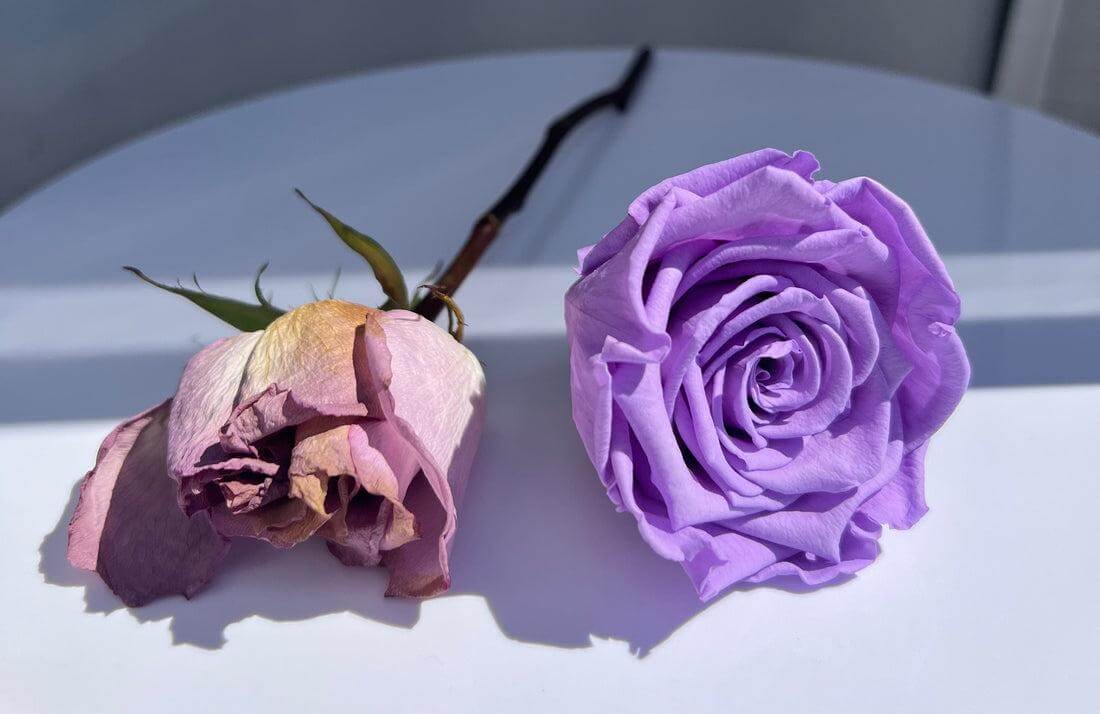
Fresh flowers are highly sensitive to environmental conditions after harvest.
Cold storage mainly helps to:
- slow down respiration
- delay blooming and aging
- reduce water loss
- keep petals firm and color stable
Without refrigeration, flowers deteriorate rapidly, especially during packing, loading, and transport delays.
Role of Cold Room for Flowers in Logistics
A cold room for flowers is widely used throughout the floral supply chain.
Common applications include:
Typical applications include:
- wholesale flower markets
- distribution hubs
- airport export facilities
- retail florist storage rooms
Cold storage allows flowers to maintain quality during long-distance transportation and before retail sale.
Impact of Temperature on Flower Quality
Temperature is usually the first factor that shows up in quality differences.
Higher temperatures tend to cause:
- faster wilting
- higher water loss
- premature blooming
- reduced petal strength
Stable low temperatures help preserve freshness and extend vase life significantly.
Temperature fluctuations are especially harmful because they increase condensation and stress flower tissues.
Optimal Temperature for Flower Cold Storage
| Flower | Temperature (°C) | Key Notes |
|---|---|---|
| 🌹 Rose | 0–4°C | Minor variation by cultivar |
| 🌸 Lily | 0–4°C | Prevents premature bud opening |
| 🌼 Carnation | 0–7°C | Wide tolerance, good shelf life |
| 🌺 Chrysanthemum | -0.5–8°C | Extends vase life effectively |
| 💐 Hydrangea | 1–3°C | Very sensitive to dehydration |
| 🌷 Tulip | -0.5–2°C | Performs well in low temperature |
| 🌺 Anthurium | 12.5–15.5°C | Avoid chilling injury (tropical) |
| 🌿 Bird of Paradise | 7–10°C | Requires relatively warm storage |
| 🌼 Gerbera | 2–3°C | Avoid below 1°C |
What Temperature Should a Flower Cooler Be?
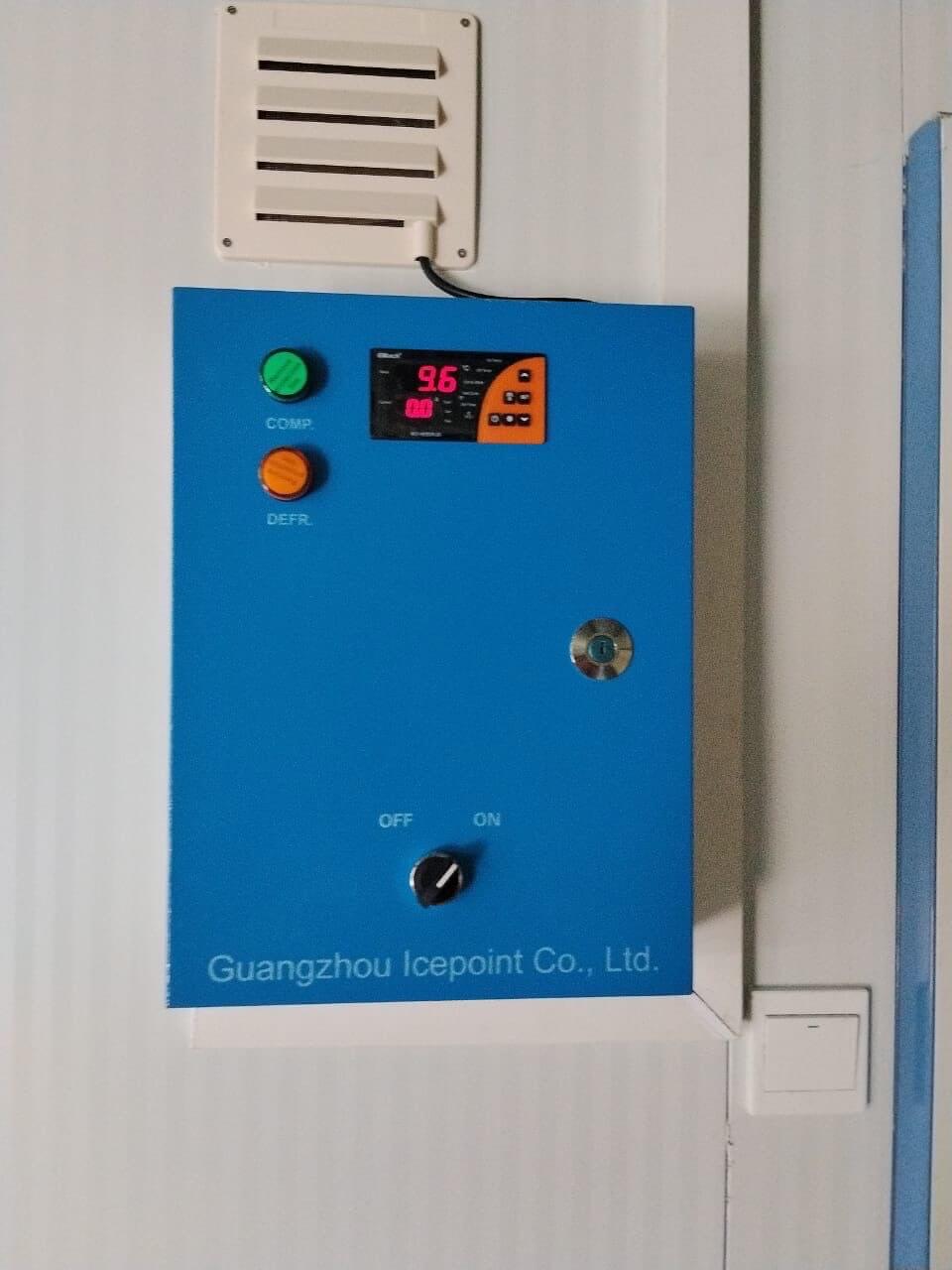
Most cut flowers are stored around 0°C to 4°C, which is the common working range in commercial cold rooms.
For tropical flowers, the situation is different. They usually need warmer conditions, typically around 8°C to 12°C, to avoid chilling injury.
How Cold for Flower Storage?
Every variety reacts differently, but one rule is consistent in practice: never push below freezing.
Too low a temperature can lead to:
- petal browning
- water-soaked tissue
- frost damage that shows up after thawing
In real handling, damage is often not immediate—it appears after the flowers are moved back to display conditions.
Humidity Control in Flower Cold Storage
Ideal Humidity for Flower Storage
Most cut flowers perform best at 90%–98% relative humidity.
At this level, flowers are less likely to lose moisture through stems and petals, which helps maintain firmness and visual freshness.
What Humidity Is Best for Flower Storage?
High humidity is necessary, but it needs to be controlled in a balanced way.
When humidity is too low:
- petals dry out quickly
- leaves lose turgidity
- overall visual quality drops fast
When humidity is too high with weak airflow: - condensation forms on petals and boxes
- disease risk increases
In practice, the problem is rarely humidity alone—it’s usually humidity combined with poor air distribution.
Humidity Control System in Flower Cold Room
Most commercial flower cold rooms rely on a few standard approaches:
- humidification systems
- controlled airflow design
- anti-condensation insulation details
- well-sealed cold room structures
One detail often seen in projects: air should circulate around flower boxes, not blow directly onto them. Direct airflow is a common cause of petal dehydration damage.
How to Store Flowers in a Cold Room
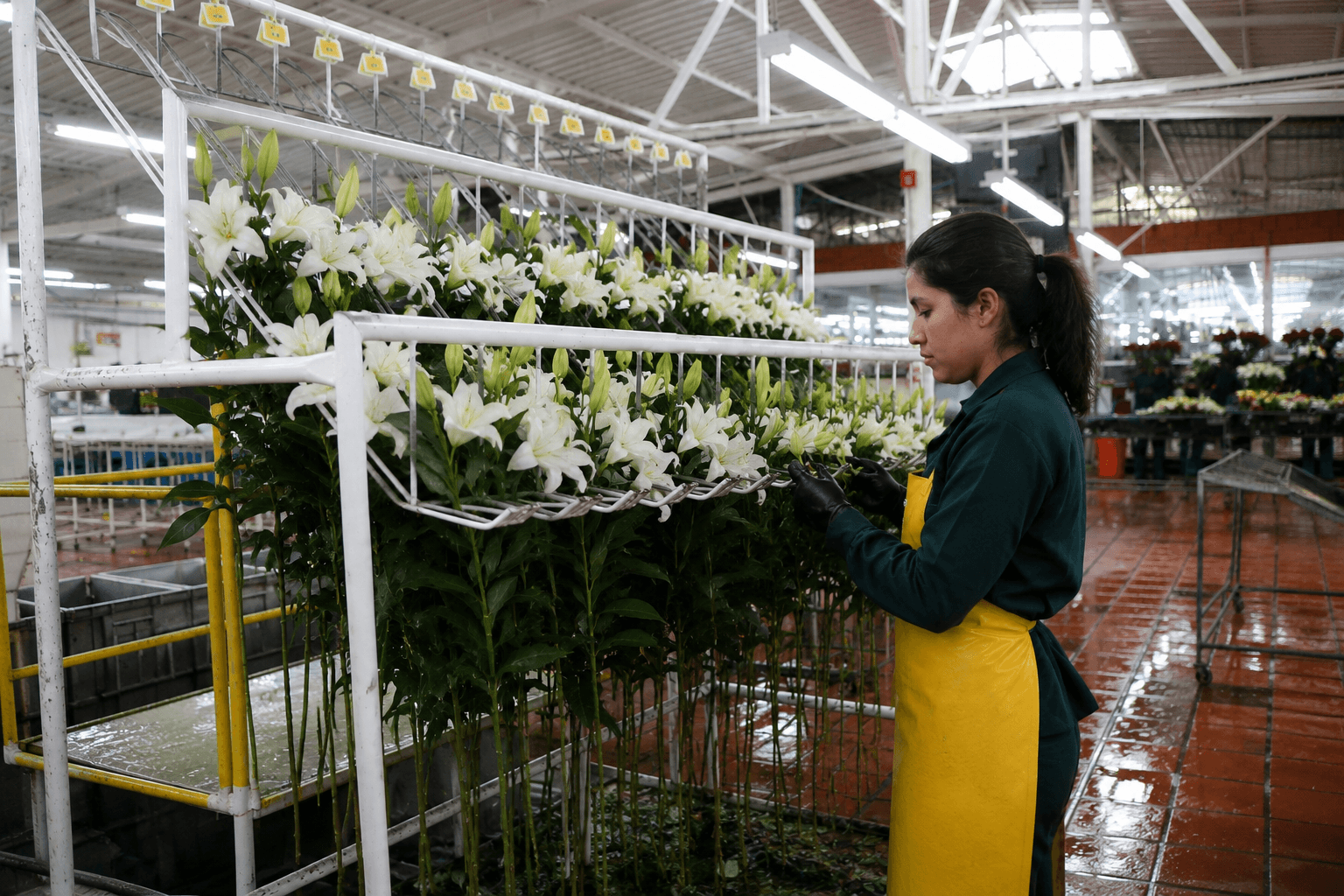
How Do You Store Flowers in a Cold Room?
Proper flower storage usually includes several steps:
- Rapid pre-cooling after harvest
- Removing damaged leaves and stems
- Using moisture-retaining packaging
- Maintaining stable storage temperature
- Organizing flowers by variety and sensitivity
Pre-cooling is especially important because it removes field heat quickly after harvest.
Cold Room for Flowers Best Practices
A few points consistently show up in practical use:
- different flower types should not be mixed randomly
- ethylene sources should be kept away
- temperature stability matters more than frequent adjustment
- airflow must be balanced around pallets and crates
Roses and carnations, for example, are quite sensitive to ethylene, and even low exposure can shorten vase life noticeably.
Pre-Cooling Importance Before Storage
Pre-cooling is less about theory and more about timing.
It helps:
- remove field heat quickly
- slow down respiration early
- stabilize product before storage or transport
- reduce stress during logistics handling
If this step is skipped or delayed, cold room performance will always look weaker than expected.
Flower Cold Room Design and Structure
What Is a Flower Cold Room?
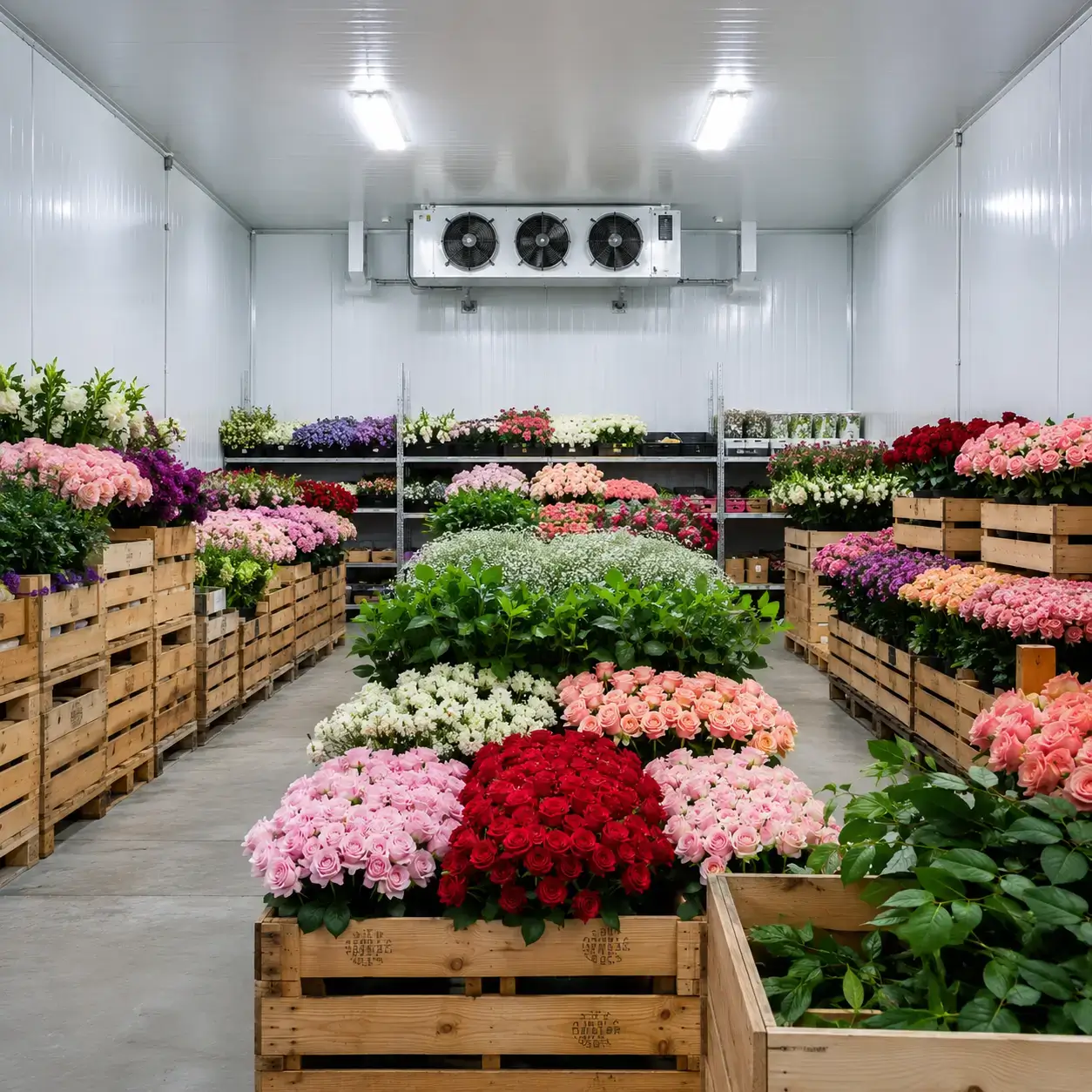
A flower cold room is a controlled environment designed specifically for cut flower preservation, where temperature, humidity, airflow, and ethylene exposure are managed together.
It is commonly used in:
- flower farms
- wholesale markets
- export packing facilities
- retail distribution centers
Components of Flower Cold Storage System
A standard flower cold storage system usually includes:
- Refrigeration units
- Insulated wall panels
- Humidity control equipment
- Air circulation systems
- Monitoring and control systems
All components must work together to maintain a stable environment.
Key Design Considerations
Important design factors include:
Temperature Stability
Temperature fluctuations reduce flower quality and shorten vase life.
High Humidity Control
The system must maintain high humidity without causing condensation problems.
Gentle Air Distribution
Cold air should circulate evenly without blowing directly onto flowers.
How Long Do Flowers Last in Cold Storage?
How Long Do Flowers Last in Cold Storage?
With proper conditions, cold storage can extend freshness roughly 2–4 times compared to room temperature storage.
Actual storage life depends on:
- Flower type
- Harvest quality
- Temperature stability
- Humidity conditions
Factors Affecting Flower Shelf Life
Key factors include:
- temperature control
- humidity level
- ethylene exposure
- airflow design
- pre-cooling efficiency
In practice, pre-harvest and post-harvest handling often matter as much as the cold room itself.
Storage Duration by Flower Type
| Flower | Cold Storage Life |
|---|---|
| 🌹 Roses | 7–14 days |
| 🌷 Tulips | 7–10 days |
| 🌸 Lilies | 10–15 days |
Different species behave very differently under the same storage conditions, so results vary significantly across product types.
Temperature Monitoring in Flower Cold Storage
Importance of Temperature Monitoring Systems
Temperature monitoring systems help:
- Prevent temperature fluctuations
- Maintain stable storage conditions
- Reduce flower losses
- Improve cold chain management
During peak export seasons, monitoring becomes even more critical because rooms are opened more frequently.
Industry Practice and Monitoring Systems
Many commercial flower storage facilities use real-time monitoring systems to track:
Most commercial setups now use real-time monitoring for:
- room temperature
- humidity levels
- equipment status
In many export-oriented facilities, logs are also kept for customer traceability requirements.
These systems help reduce spoilage and improve product
Smart Flower Cold Storage Technology
Modern flower cold rooms are gradually moving toward:
- IoT-based monitoring
- alarm systems for deviations
- remote access control
- automated environment adjustment
These systems are less about complexity and more about reducing operational risk during peak handling periods.
Common Problems in Flower Cold Storage
Temperature Fluctuation Issues
Unstable temperatures may cause:
- Petal dehydration
- Frost damage
- Condensation problems
- Faster flower aging
In practice, door opening frequency is often a bigger cause than equipment failure.
Ethylene Damage in Storage
Ethylene exposure accelerates flower aging and petal drop.
Sources may include:
- ripening fruits stored nearby
- damaged or aging flowers
- poor ventilation design
Even low concentrations can accumulate in poorly ventilated rooms.
Poor Humidity Control Problems
If humidity is not balanced properly:
- flowers wilt faster
- stems soften
- mold may develop
- overall appearance drops quickly
Most issues come from imbalance between humidity and airflow rather than humidity alone.
Industry Insights and Practical Experience
Florist Storage Practices
Retail florists usually work with small-scale cold rooms or display coolers.
Common habits include:
- daily water refresh
- stem trimming before display
- keeping stable overnight cooling
These small steps often make a noticeable difference in shelf presentation.
Wholesale Flower Cold Chain Management
Large-scale operations rely on continuous control across the chain:
- farm-level pre-cooling
- refrigerated transport
- wholesale cold storage
- retail display cooling
Breaks in this chain usually show up quickly in final vase life.
Importance of Pre-Storage Handling
Handling immediately after harvest strongly affects final flower quality.
Important steps include:
- Stem trimming
- Hydration treatment
- Removing damaged flowers
- Rapid cooling before storage
Conclusion
Flower cold storage plays a practical and central role in the floral industry. It’s not just about keeping flowers cold, but maintaining a stable environment where temperature, humidity, and airflow work together.
From farm to wholesale market to retail display, every step in the cold chain affects final vase life. A well-designed flower cold room, combined with consistent operational control, is one of the most reliable ways to keep flowers in sellable condition for longer.
For growers, exporters, and florists, the real value of cold storage is simple: more time before quality drops—and more flexibility in how products are sold and distributed.