Introduction
From ocean harvest to the consumer's plate, the quality of seafood depends heavily on a stable and well-managed cold chain system. Unlike many other food products, seafood is extremely sensitive to temperature changes, making proper cold storage essential throughout the entire supply chain.
Seafood has several characteristics that make preservation challenging. Most marine products contain 70–80% water, have high enzymatic activity, and support rapid microbial growth. Without immediate temperature control after harvesting, freshness can decline within hours, leading to quality loss and food safety risks.
This is where a seafood cold storage room plays a critical role. Cold roomshttps://icepointech.com/contact/ are designed to quickly reduce product temperature, slow down bacterial growth, extend shelf life, and preserve the natural texture and nutritional value of seafood. From fishing vessels and processing plants to distribution centers and export facilities, cold storage systems are an essential part of modern seafood logistics.
In this guide, we will explore the key aspects of seafood cold storage, including recommended storage temperatures, shelf life for different seafood types, the complete workflow from catch to frozen storage, and important cold room design considerations for seafood operations.
Understanding Seafood Cold Storage Rooms
Chiller Rooms vs. Freezer Rooms
Seafood Chiller Room
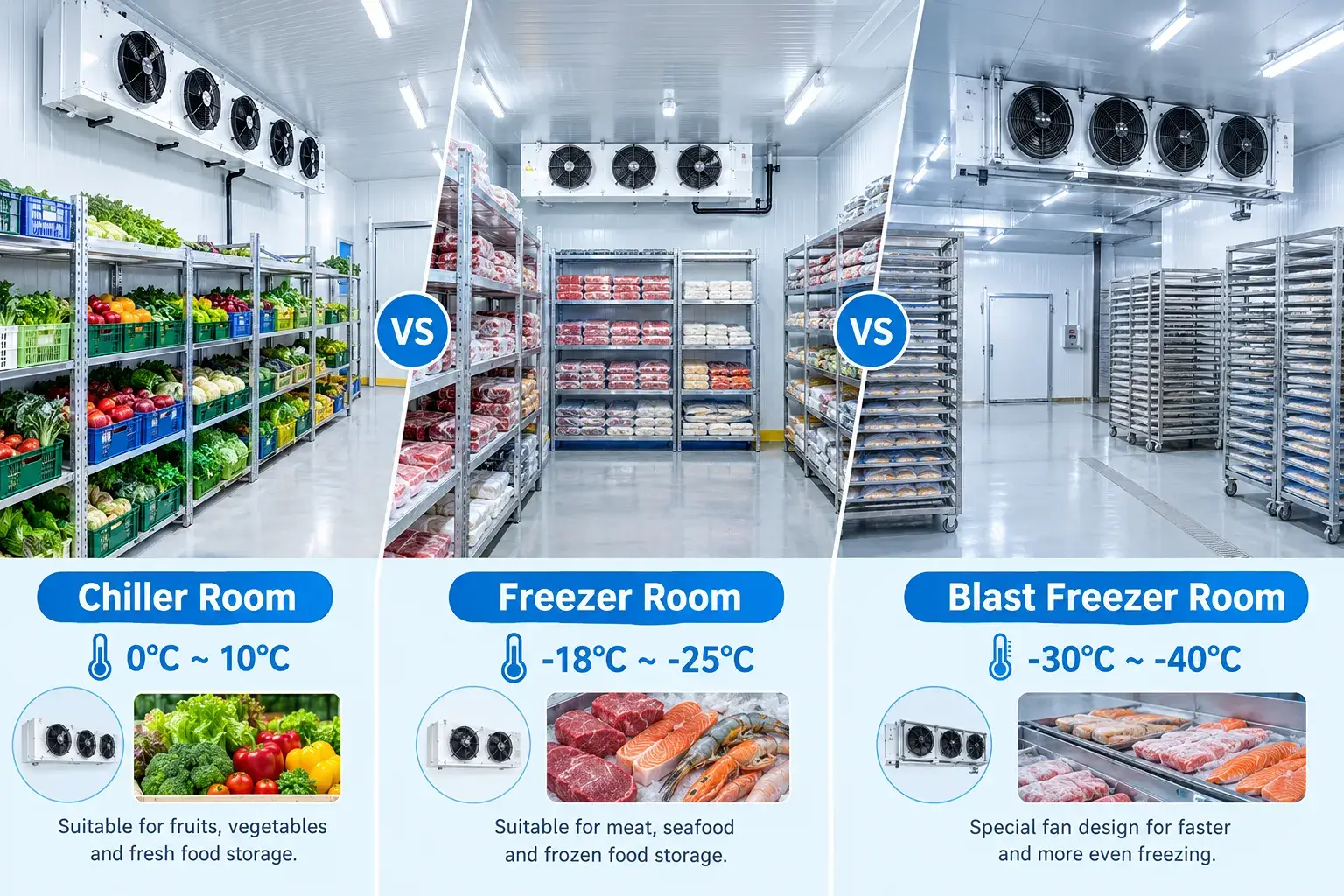
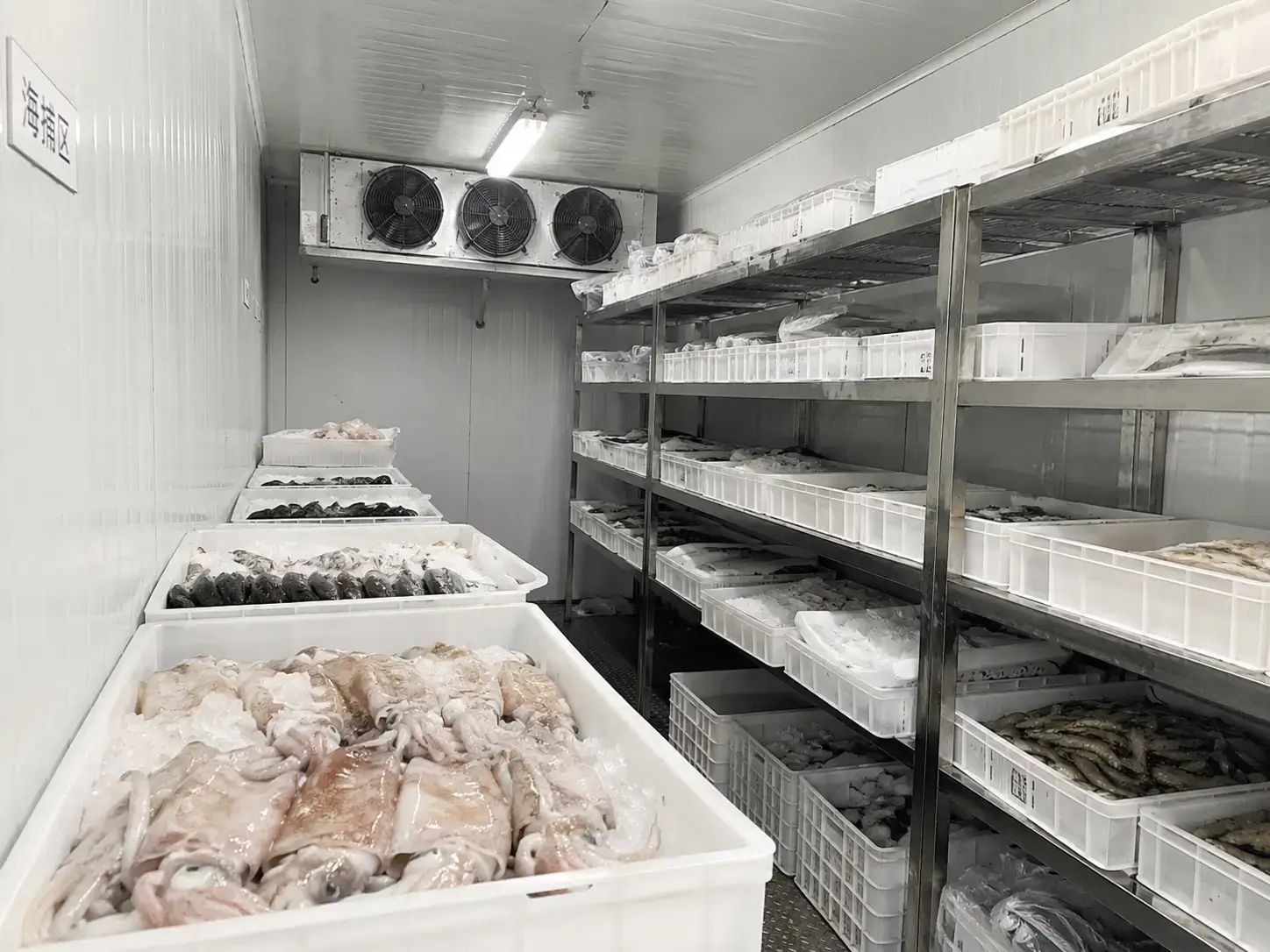
A seafood chiller room is typically operated at temperatures between 0°C and +2°C. These rooms are used for short-term storage of fresh seafood before distribution or further processing.
Chiller rooms are commonly used in fish markets, restaurants, seafood processing facilities, and fishing ports. They help maintain freshness while slowing down bacterial growth.
In many seafood supply chains, chiller rooms are used together with flake ice or slurry ice systems, which surround the fish with chilled ice particles to keep temperatures close to 0°C.
Seafood Freezer Storage
For long-term preservation, seafood is stored in freezer rooms operating between -18°C and -25°C. These temperatures significantly slow microbial activity and allow seafood products to be stored for months.
Freezer storage is widely used in seafood processing plants, export operations, and cold chain logistics centers. Compared with chiller rooms, freezer rooms require higher refrigeration capacity, thicker insulation panels, and more powerful compressors to maintain stable low temperatures.
Why Temperature Control Matters for Seafood
Seafood spoils faster than red meat due to several biological characteristics.
First, seafood contains a high level of moisture, typically around 70–80%, which creates an ideal environment for bacterial growth. Second, seafood tissues have high enzymatic activity, which accelerates degradation after harvesting. Third, microorganisms multiply quickly if temperature is not controlled.
Proper temperature management is therefore critical for maintaining seafood quality.
For fresh seafood, storage temperatures of 0–2°C help preserve texture, color, and freshness. For frozen seafood, the internationally recognized storage standard is -18°C or lower.
Temperature fluctuations can cause several quality problems, including fat oxidation, freezer burn, and texture deterioration. Maintaining stable temperatures throughout the cold chain is essential to protect seafood quality.
Seafood Cold Storage Temperature Guide
What Temperature Should Seafood Be Stored At?
Fresh seafood stored in refrigerated environments should generally be kept between 0°C and +2°C. This temperature range is ideal for maintaining the freshness of whole fish, shellfish, and seafood products supplied to restaurants or fresh markets.
For long-term storage, seafood should be frozen at -18°C or lower. Frozen storage is commonly used for products such as shrimp, fish fillets, and export seafood products that require extended shelf life.
Humidity control is also important in seafood cold storage rooms. Recommended humidity levels typically range from 85% to 90%, which helps prevent surface dehydration and weight loss.
Air circulation plays another key role in cold room performance. Proper airflow ensures that cold air is evenly distributed throughout the storage space, maintaining consistent temperatures and preventing localized freezing or temperature variations.
Seafood Cold Storage Temperature Chart
| Seafood Type | Chilled Storage | Frozen Storage |
|---|---|---|
| Whole fish | 0°C | -18°C |
| Salmon | 0°C | -18°C |
| Shrimp | 0°C | -18°C |
| Crab | 0°C | -18°C |
| Tuna | -1°C | -25°C |
Different seafood products may require slightly different storage temperatures depending on their fat content and biological structure. For example, tuna is often stored at lower freezing temperatures to maintain premium quality.
How Long Can Seafood Stay in Cold Storage?
Similar to meat preservation, seafood storage is generally divided into two main categories: chilled storage and frozen storage.
Chilled storage typically operates between 0°C and 4°C and is mainly used for short-term preservation in wholesale markets, fish ports, and restaurant supply chains.
Frozen storage operates at -18°C or lower and is used for long-term storage, seafood exports, and cold chain logistics operations. Freezing significantly extends the storage life of seafood products.
Refrigerated & Frozen Shelf Life by Seafood Type
| Seafood | Chilled Storage | Frozen Storage |
|---|---|---|
| Fresh fish | 5–7 days | 6–12 months |
| Shrimp | 3–5 days | 6–12 months |
| Salmon | 5–7 days | 8–12 months |
| Crab | 3–5 days | 6 months |
| Tuna | 5 days | 12 months |
Actual shelf life may vary depending on handling practices, packaging methods, and temperature stability throughout the cold chain.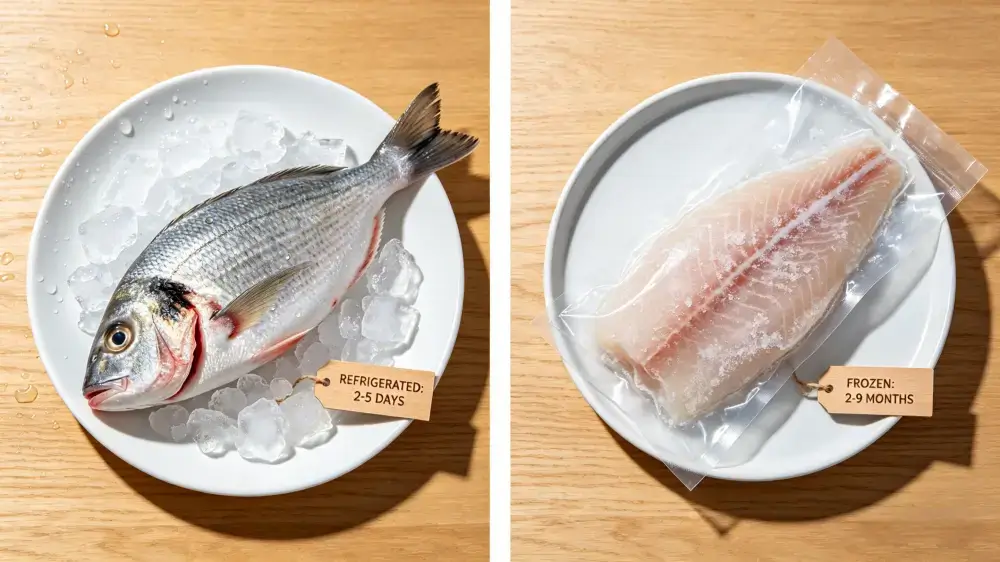
The Seafood Processing Workflow: From Catch to Cold Storage
Step 1: Pre-Cooling After Catch
The first step after harvesting seafood is rapid cooling. Freshly caught fish often have body temperatures close to seawater temperature, and immediate cooling is necessary to slow down bacterial growth.
Common cooling methods include flake ice and slurry ice systems, which surround the fish with chilled ice particles. The goal is to reduce the fish body temperature to approximately 0°C within 2–4 hours after catch.
Step 2: Processing and Sorting
Seafood processing is usually performed in temperature-controlled environments to maintain product quality.
Typical processing activities include heading, gutting, grading, and washing. Processing rooms are typically maintained at temperatures below 10°C to minimize bacterial growth and maintain freshness during handling.
Step 3: Quick Freezing
For seafood products intended for long-term storage, quick freezing is essential. The objective is to pass rapidly through the maximum ice crystal formation zone between -1°C and -5°C.
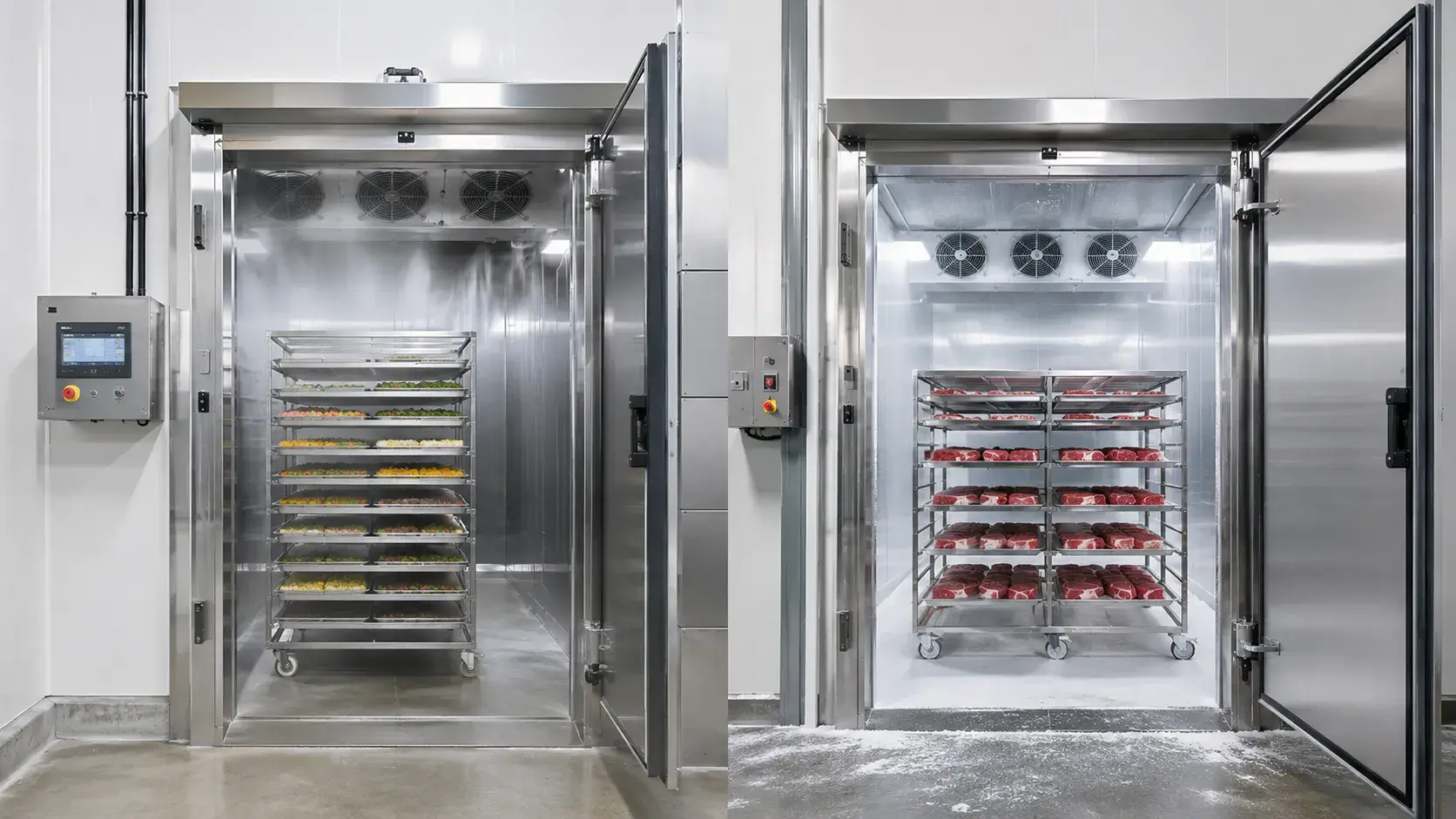
Several types of freezing equipment are commonly used in seafood processing facilities, including blast freezers, plate freezers, spiral freezers, and IQF freezers.
During quick freezing, air temperatures typically range from -35°C to -40°C, enabling rapid heat removal and minimizing damage to the cellular structure of seafood.
Step 4: Frozen Storage
After quick freezing, seafood products are transferred to frozen seafood storage rooms for long-term preservation.
These storage rooms usually operate between -18°C and -25°C, maintaining stable temperatures to protect product quality during extended storage periods.
How Do You Preserve Seafood in a Cold Room?
Proper seafood preservation involves several important practices.
Vacuum packaging helps reduce oxygen exposure and slows down oxidation. Glazing, which involves applying a thin layer of protective ice on frozen seafood, prevents dehydration during storage.
Inventory management practices such as FIFO (First In, First Out) help maintain product freshness. Continuous temperature monitoring systems and strict hygiene management are also essential to ensure food safety.
Key Design Factors for Seafood Cold Storage Rooms
Insulation Panels
Modern seafood cold rooms typically use PU or PIR insulation panels with thicknesses ranging from 100 mm to 150 mm. High-quality insulation helps reduce heat transfer and improve energy efficiency.
Refrigeration Systems
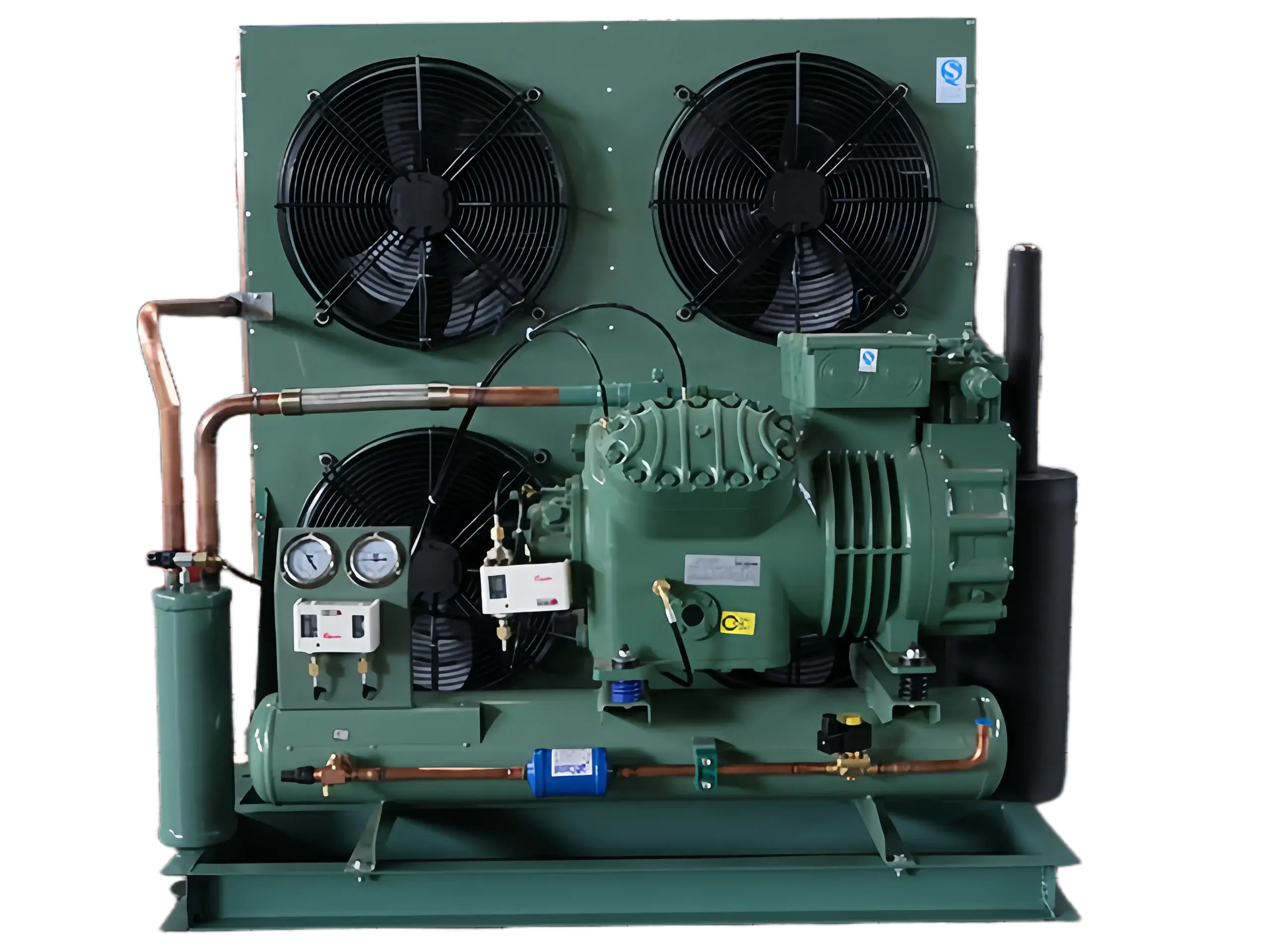
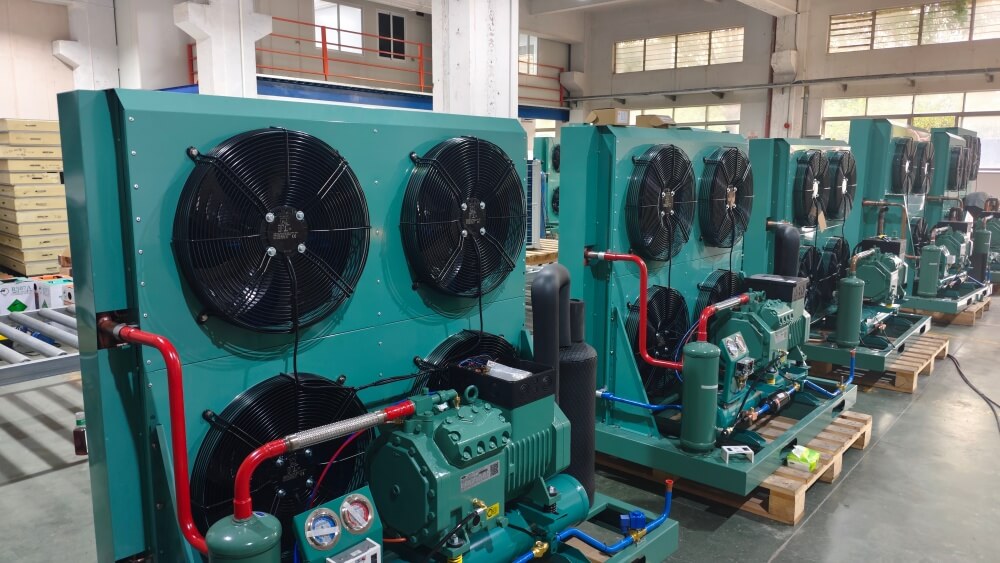
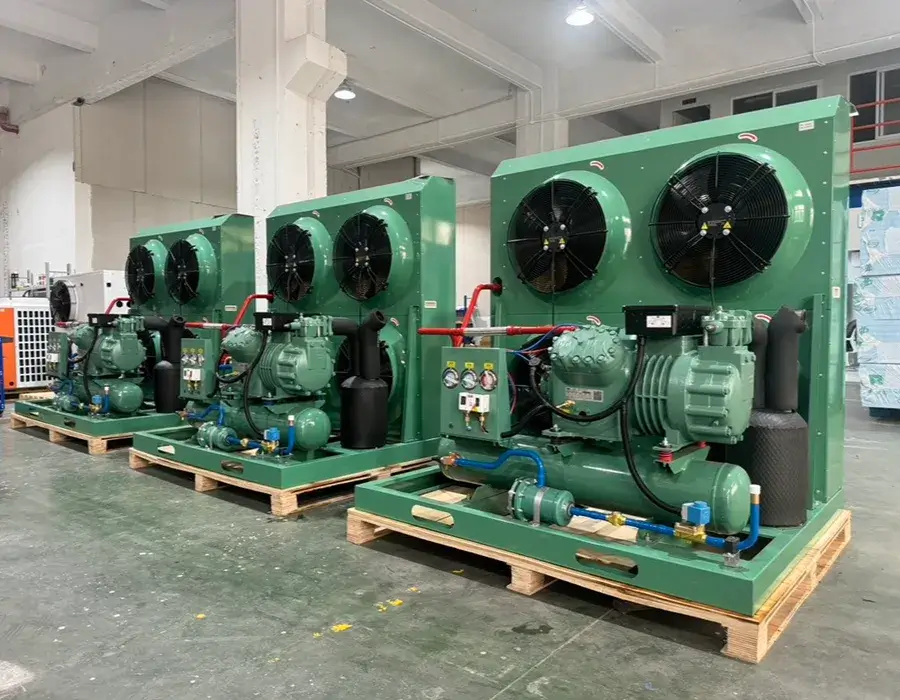
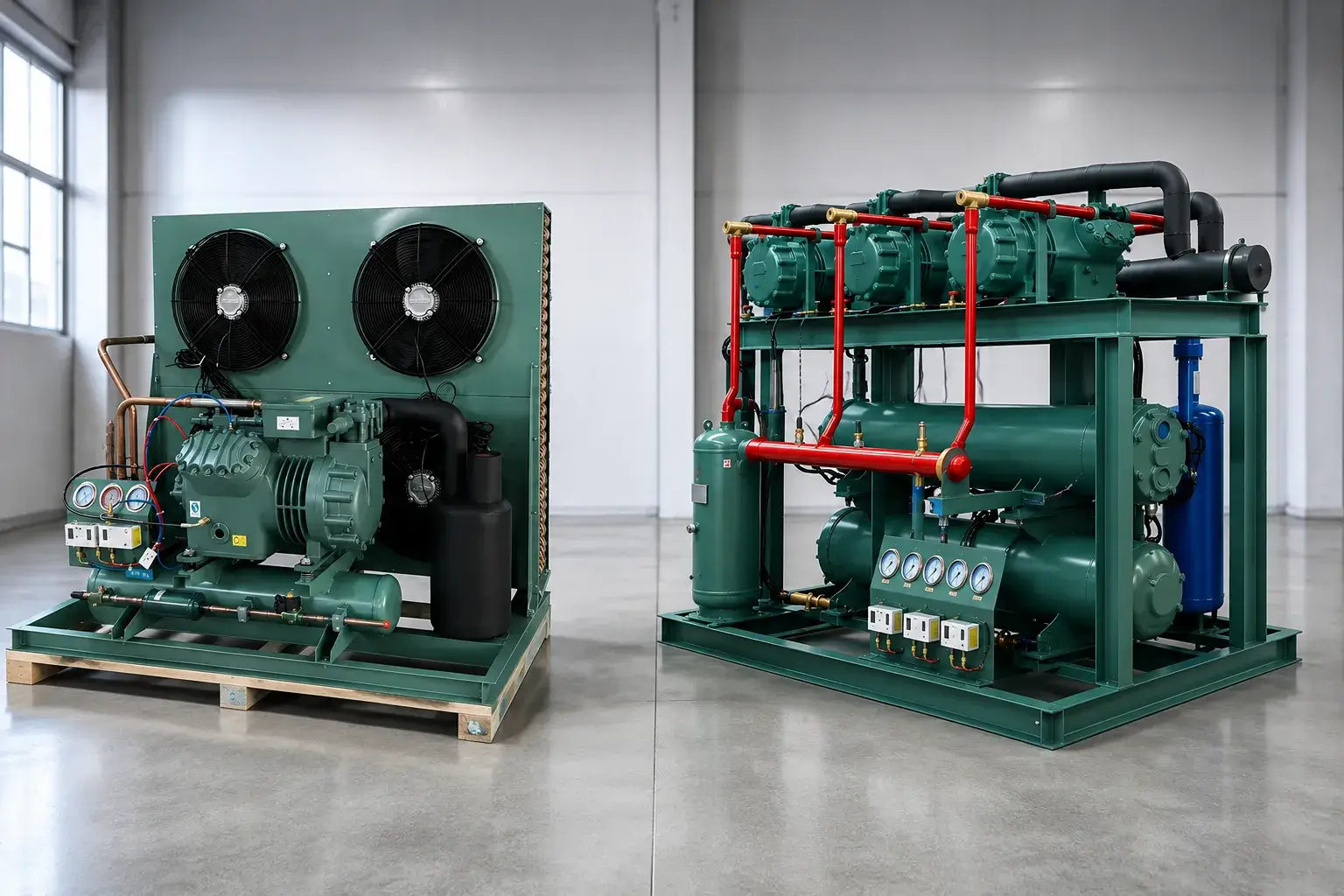
A typical seafood cold storage system includes several key components such as condensing units, industrial evaporators, and compressor rack systems. These components work together to maintain stable temperatures and efficient cooling performance.
Air Circulation
Proper airflow inside the cold room is essential for maintaining uniform temperature distribution.
Good air circulation helps prevent product dehydration, reduce frost accumulation, and maintain consistent storage conditions throughout the cold room.
Common Seafood Cold Storage Mistakes
Incorrect Temperature Settings
Improper temperature settings can lead to serious quality problems. If storage temperatures are too high, bacterial growth accelerates, resulting in rapid product deterioration.
Poor Air Circulation
Inadequate airflow can cause uneven temperature distribution and localized freezing, which negatively affects product quality and storage efficiency.
Improper Packaging
Seafood that is not properly sealed may suffer from freezer burn, dehydration, and texture degradation during frozen storage.
Seafood Cold Storage Room Solutions by Industry
Fishing Industry
In the fishing sector, seafood preservation often begins directly on fishing vessels using ice machines and on-board cold storage systems to maintain freshness immediately after harvesting.
Seafood Processing Plants
Seafood processing facilities typically require processing cold rooms, blast freezer rooms, and frozen storage areas to support production and packaging operations.
Distribution Centers
Large seafood distribution centers rely on industrial frozen warehouses and container cold rooms to support large-scale storage and international logistics.
Choosing the Right Seafood Cold Storage Solution
Selecting the right cold storage system depends on several factors, including business scale, storage duration, temperature requirements, and energy efficiency considerations.
Common cold room types include modular cold rooms, container cold rooms, and large warehouse cold storage systems. Modular systems offer flexibility and scalability, while large industrial cold storage facilities support high-volume operations.
Proper system design ensures stable temperatures, efficient operation, and long-term reliability.
Conclusion
Seafood quality and food safety rely heavily on effective cold chain management.
A complete seafood cold storage system typically includes rapid pre-cooling, temperature-controlled processing environments, efficient quick freezing technology, and stable frozen storage.
Investing in professional cold storage infrastructure helps extend seafood shelf life, reduce product loss, increase product value, and ensure compliance with international food safety standards.
Contact us to design a customized seafood cold storage solution for your business.