Introduction
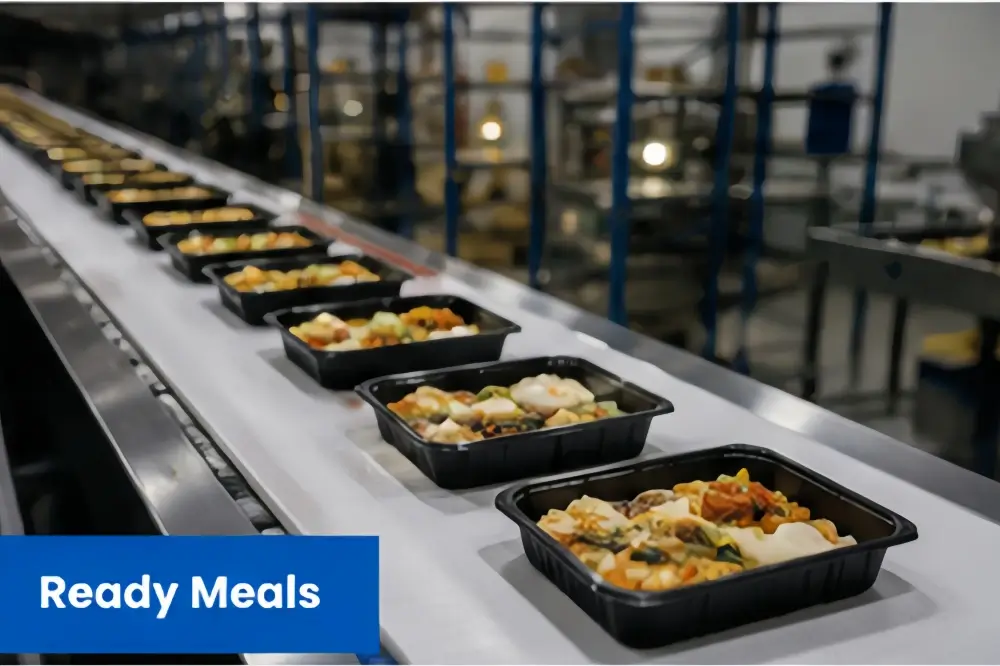
The global ready meal industry has grown rapidly in recent years, driven by food delivery platforms, central kitchen operations, and increasing demand for convenient food products. Frozen lunch boxes, pre-cooked meals, microwave-ready foods, and packaged meal kits have become common in supermarkets, restaurants, and online food delivery systems.
As production scales up, temperature control has become one of the most important factors in maintaining food safety and product quality. Ready meals are highly sensitive to temperature fluctuations. If the cold chain is interrupted, products may quickly experience:
- Bacterial growth
- Food spoilage
- Texture deterioration
- Reduced shelf life
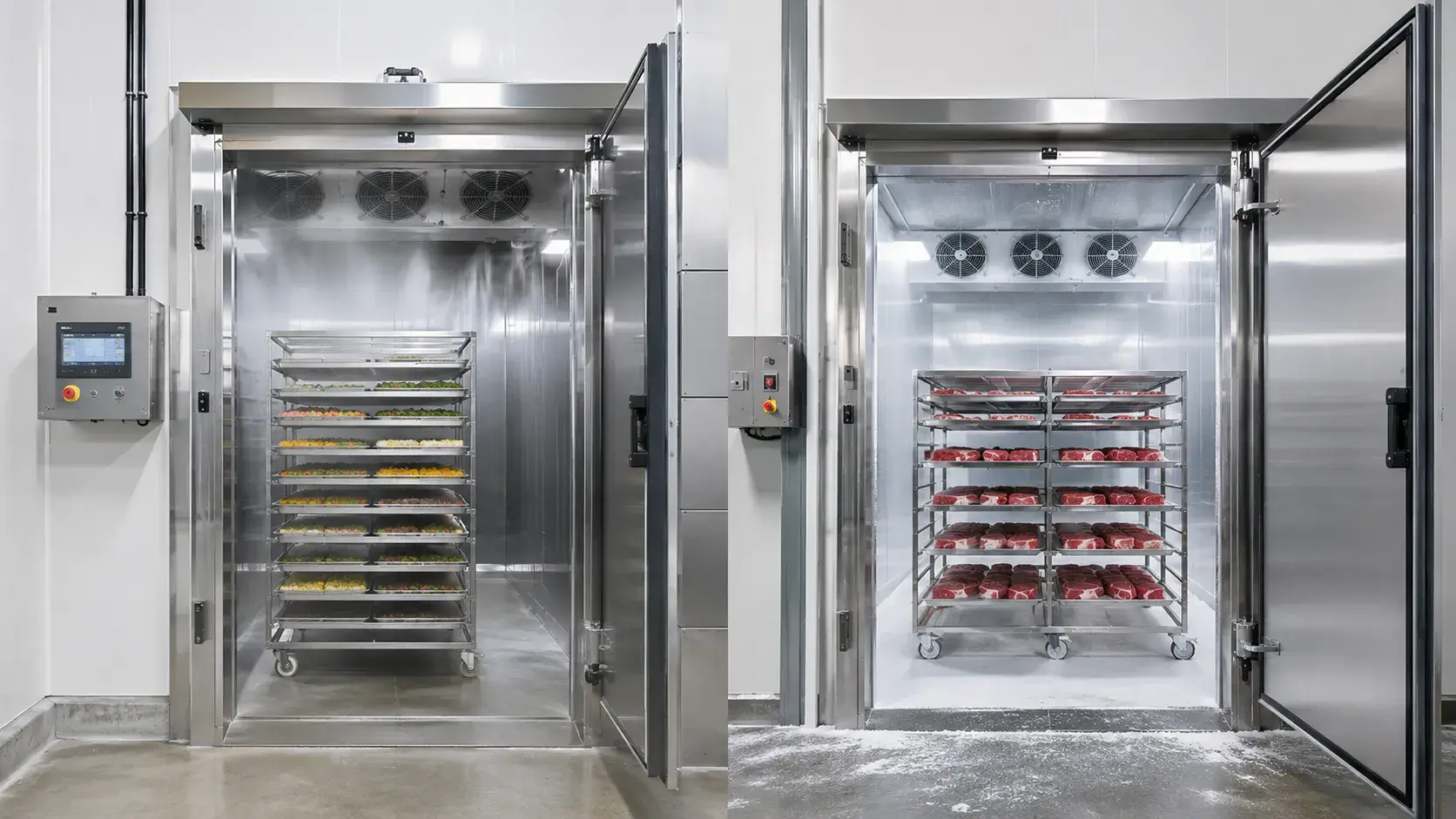
This is why modern food manufacturers rely on: - Ready Meal Cold Storage
- Frozen Food Storage
- Pre-cooked Food Cold Storage
- Convenience Food Cold Room
Today’s cold chain systems involve more than just refrigerated warehouses. A complete ready meal cold chain also includes: - Chilled storage systems
- Frozen storage facilities
- Refrigerated transportation
- Temperature monitoring systems
This guide explains ready meal cold storage temperature standards, cold chain logistics, food-grade cold room design, and best practices for convenience food processing.
Why Ready Meal Cold Storage Is Critical for the Food Industry
Ensuring Food Safety for Pre-cooked and Ready-to-eat Meals
Ready meals are typically:
- Fully cooked
- High in moisture
- Rich in nutrients
These conditions make them highly vulnerable to microbial contamination if temperatures are not properly controlled.
Common risks include: - Salmonella
- Listeria
- Rapid bacterial growth
Improper storage temperatures can significantly increase food safety risks and accelerate spoilage.
This is why professional Pre-cooked Food Cold Storage systems are essential for ready meal manufacturers and central kitchens.
Extending Shelf Life of Frozen and Chilled Meals
Cold chain storage can dramatically extend the shelf life of prepared foods.
Typical storage duration:
- Chilled ready meals: several days
- Frozen ready meals: several weeks or months
The key factor is maintaining stable storage temperatures throughout processing, storage, and transportation.
Supporting Growth of Meal Delivery and Central Kitchens
Modern food service operations increasingly rely on:
- Central kitchen production
- Regional food distribution centers
- Meal delivery platforms
These systems require efficient Fast Food Cold Chain Storage to support: - High-volume production
- Daily delivery operations
- Food consistency across multiple locations
Maintaining Quality Consistency in Mass Production
Cold chain systems help maintain:
- Consistent taste
- Stable food texture
- Standardized product quality
This is especially important for industrial ready meal production where products are distributed across multiple cities or regions.
Recommended Temperature Standards for Ready Meal Cold Storage
Pre-cooked Food Cold Storage Temperature Guidelines
Cooked food products are typically stored under chilled conditions.
Recommended temperature:
0°C to 4°C
This temperature range is suitable for:
- Short-term storage
- Daily distribution
- Ready-to-eat meal preservation
Stable low temperatures help slow bacterial growth and maintain food freshness.
Frozen Food Storage Temperature for Long-term Preservation
Frozen ready meals are usually stored at:
-18°C or lower
Frozen storage is widely used for:
- Bulk production
- Long-distance transportation
- Export food supply chains
- Long-term inventory management
Low temperatures significantly reduce microbial activity and extend shelf life.
Convenience Food Cold Room Temperature Requirements
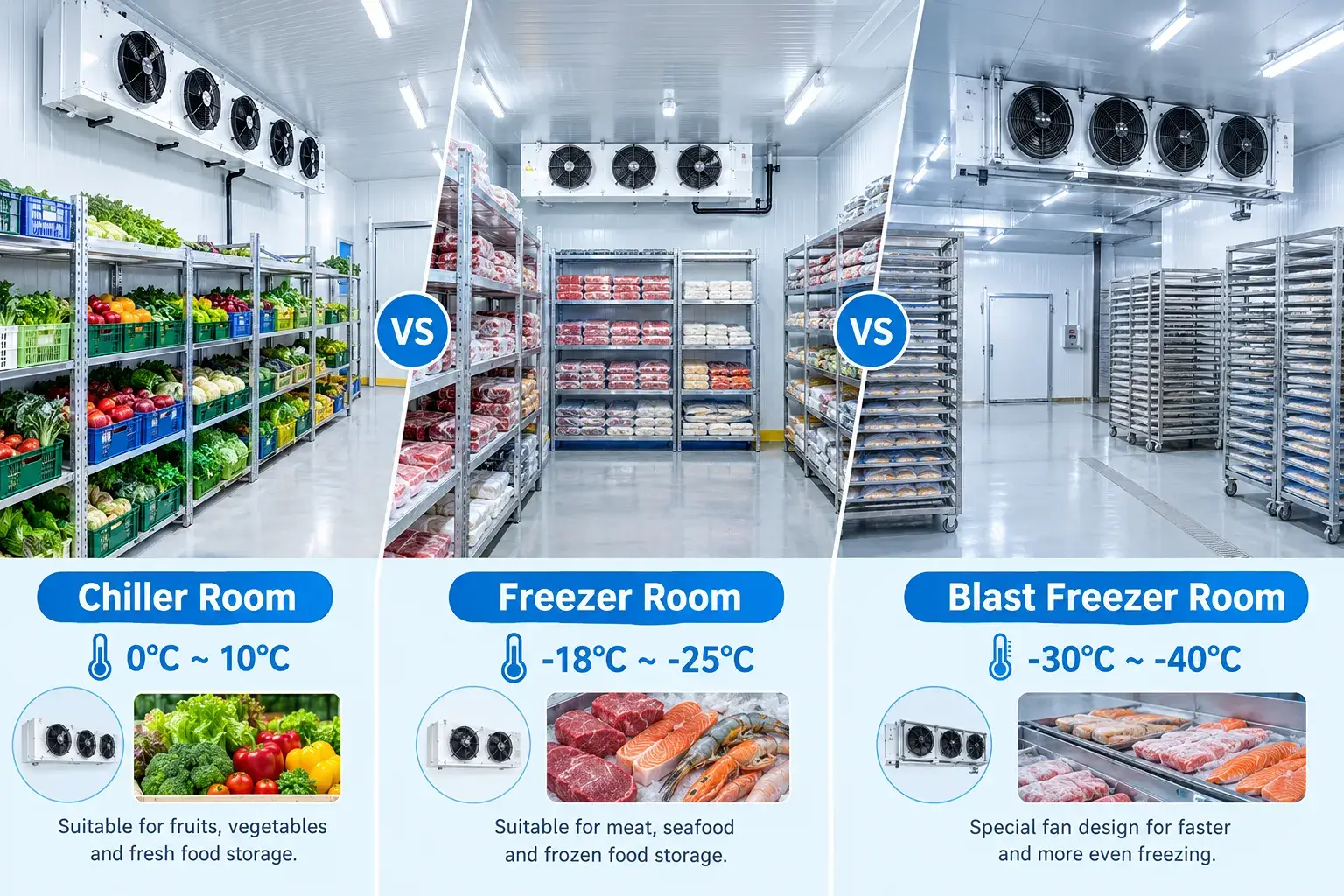
A Convenience Food Cold Room may include both chilled and frozen zones depending on product type.
Typical temperature settings:
- Chilled storage area: 0°C to 4°C
- Frozen storage area: -18°C or below
These systems are commonly used in: - Supermarkets
- Food service distribution centers
- Restaurant supply chains
Temperature Differences Between Chilled and Frozen Meals
Chilled Meals
Characteristics:
- Ready-to-eat products
- Short shelf life
- Refrigerated distribution
Typical storage:
0°C to 4°C
Frozen Meals
Characteristics:
- Long-term preservation
- Requires reheating or thawing
- Suitable for mass distribution
Typical storage:
-18°C or below
Types of Ready Meal Cold Storage Systems
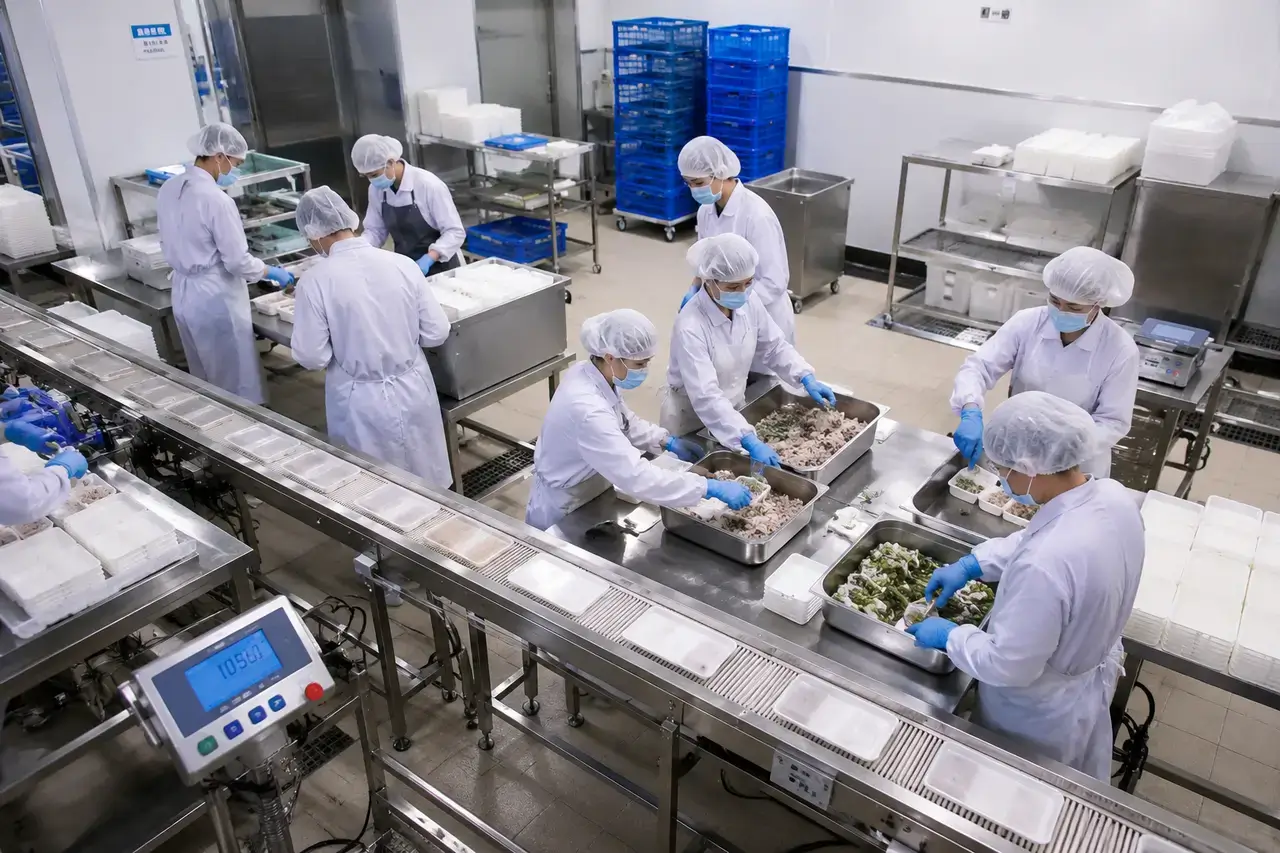
Pre-cooked Food Cold Storage for Central Kitchens
Central kitchens commonly use chilled cold rooms for:
- Temporary food storage
- Pre-delivery staging
- Fresh prepared meal management
Key features: - High hygiene standards
- Fast product turnover
- Easy cleaning and sanitation
Frozen Food Storage Warehouses for Large-scale Distribution
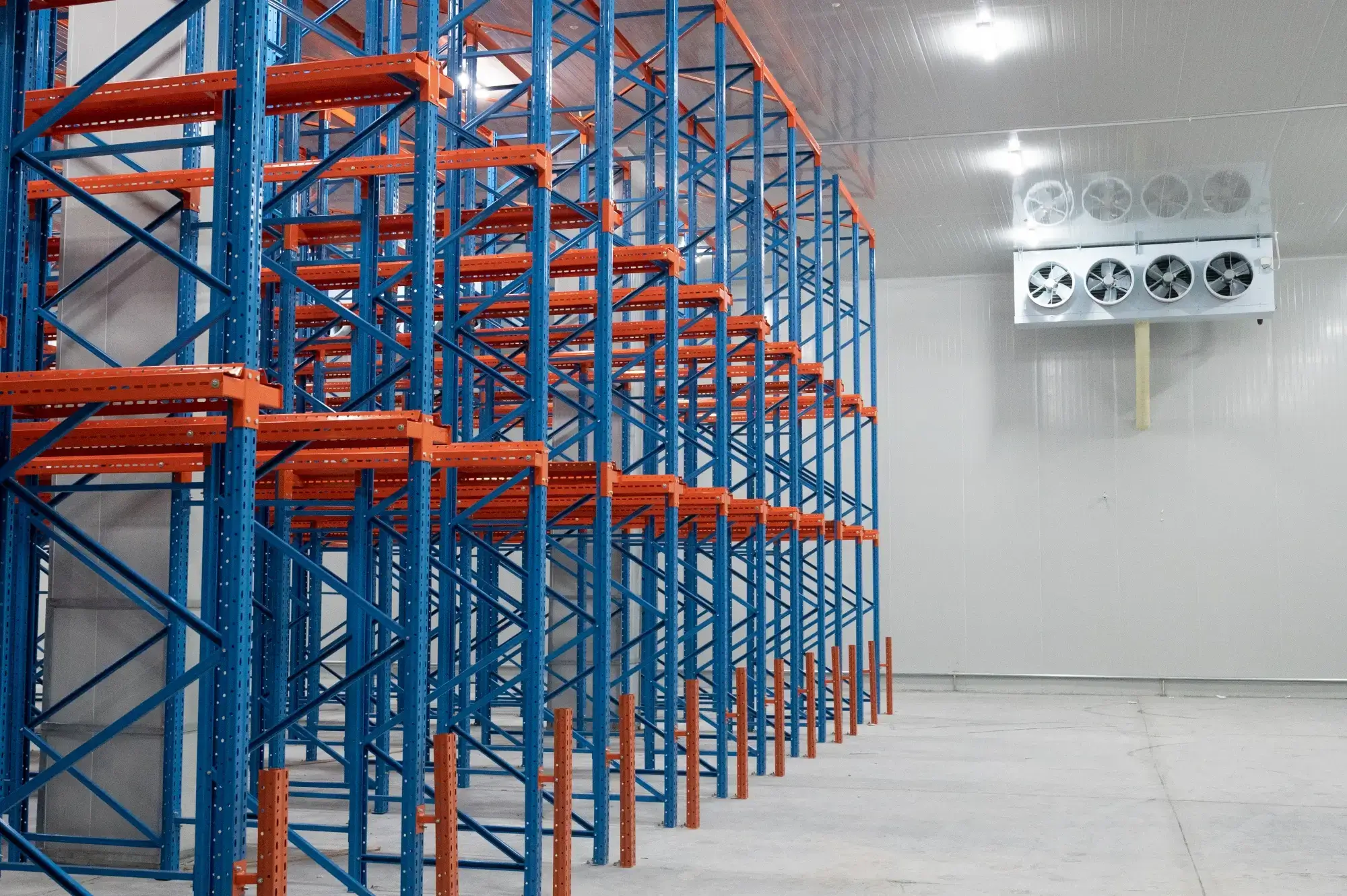
Large frozen storage facilities are widely used in:
- Food processing plants
- Logistics centers
- Export supply chains
Typical features: - Large storage capacity
- Automated temperature control
- Palletized storage systems
Convenience Food Cold Room for Retail and Food Service Industry
Convenience food cold rooms are commonly installed in:
- Supermarkets
- Restaurant chains
- Catering facilities
These systems support: - Product display
- Temporary storage
- Daily food replenishment
Fast Food Cold Chain Storage for Delivery Platforms
Food delivery platforms and quick-service restaurants require efficient cold chain storage systems to support rapid order fulfillment.
Characteristics include:
- High product turnover
- Frequent transportation cycles
- Small-batch distribution
Stable refrigeration is essential to maintain product safety during urban delivery operations.
Cold Chain Logistics in Ready Meal Industry
From Central Kitchen to Consumer Cold Chain Flow
Typical ready meal cold chain workflow:
Central Kitchen
↓
Cold Storage
↓
Refrigerated Transportation
↓
Retail Store / Consumer
Maintaining temperature stability at every stage is critical for food quality and safety.
Fast Food Cold Chain Storage Challenges in Urban Areas
Urban food distribution often faces several challenges:
- Traffic congestion
- Delivery delays
- Frequent door opening
- Temperature fluctuations
These factors can affect product stability during transportation.
Temperature Control During Transportation
Prepared foods should be transported using:
- Refrigerated trucks
- Insulated delivery containers
- Portable cold boxes
Proper transportation systems help maintain continuous cold chain conditions.
Real-time Cold Chain Monitoring Systems
Modern cold chain systems increasingly use:
- IoT temperature sensors
- Real-time monitoring platforms
- Automatic alarm systems
- Temperature recording systems
These technologies improve traceability and reduce cold chain risks.
Cold Room Design for Ready Meal Storage Facilities
Insulated Panel Construction for Food-grade Cold Rooms
Food-grade cold rooms commonly use:
- PU insulated panels
- PIR insulated panels
- Hygienic interior materials
These materials help improve: - Thermal insulation
- Energy efficiency
- Sanitation performance
Air Circulation Systems for Uniform Temperature
Efficient airflow design helps prevent:
- Temperature differences
- Hot spots and cold spots
- Uneven product cooling
Proper air circulation is essential for maintaining stable storage conditions.
Zoning Design for Different Ready Meals
Ready meal cold rooms are often divided into:
- Chilled storage zones
- Frozen storage zones
- Temporary staging areas
Temperature zoning improves operational efficiency and product management.
Energy Efficiency in Frozen Food Storage Systems
Modern frozen storage facilities reduce operating costs through:
- High-efficiency compressors
- Smart temperature control systems
- Optimized insulation design
- Energy-saving refrigeration technology
Best Practices for Ready Meal Cold Storage Management
Proper Packaging for Pre-cooked Food Cold Storage
Ready meal packaging should provide:
- Airtight sealing
- Moisture protection
- Temperature resistance
Proper packaging helps maintain food quality during storage and transportation.
Preventing Temperature Fluctuations in Cold Chain
Businesses should minimize:
- Frequent door opening
- Extended loading times
- Refrigeration system failures
Stable temperatures are essential for preserving food safety and texture.
Inventory Rotation (FIFO) for Ready Meals
Most ready meal facilities follow:
FIFO (First In, First Out)
This system helps:
- Prevent product expiration
- Improve inventory management
- Maintain product freshness
Hygiene and Food Safety Compliance
Ready meal cold storage systems should comply with:
- HACCP standards
- Food safety regulations
- Cold chain traceability requirements
Regular cleaning and sanitation are critical for preventing contamination.
People Also Ask (PAA)
What is the shelf life of pre-cooked meals in a cold room?
Typical shelf life:
- Chilled storage: 1–5 days
- Frozen storage: several weeks to months
Storage duration depends on temperature stability and packaging quality.
How do you store ready-to-eat meals in cold storage?
Ready meals should be:
- Properly sealed
- Stored at 0–4°C for chilled products
- Stored at -18°C for frozen products
What temperature should prepared foods be stored at?
Recommended temperatures:
- Chilled prepared foods: 0°C to 4°C
- Frozen prepared foods: -18°C or lower
What are the cold chain requirements for meal delivery?
Meal delivery cold chains typically require:
- Continuous refrigerated storage
- Temperature monitoring systems
- Refrigerated transportation
- Controlled loading and unloading processes
Conclusion: Building an Efficient Ready Meal Cold Storage System
The modern ready meal industry depends heavily on reliable cold chain infrastructure, including:
- Ready Meal Cold Storage
- Frozen Food Storage
- Convenience Food Cold Room
- Fast Food Cold Chain Storage
A well-designed cold storage system helps businesses: - Improve food safety
- Extend shelf life
- Increase delivery efficiency
- Reduce product loss
For central kitchens, frozen food manufacturers, and meal delivery companies, cold chain management has become a critical part of operational competitiveness and product quality control.