Introduction
In the pharmaceutical industry, temperature control is directly linked to product safety and treatment effectiveness. Many pharmaceutical products, including vaccines, insulin, biologics, and blood products, are highly sensitive to temperature fluctuations and require strict cold chain management throughout storage and transportation.
If the cold chain fails, it can lead to drug degradation, vaccine waste, reduced efficacy, and serious medical risks. For this reason, modern healthcare systems rely heavily on Pharmaceutical Cold Storage, Vaccine Cold Storage, Medical Cold Rooms, and cold chain pharmaceutical storage systems to maintain stable storage conditions.
This article explores pharmaceutical cold storage temperature standards, vaccine cold chain systems, medical cold room design, and ultra-low temperature storage solutions used in modern healthcare and pharmaceutical industries.
Why Pharmaceutical Cold Storage Is Critical for the Healthcare Industry
Ensuring Drug Safety and Efficacy in Temperature-Sensitive Products
Many pharmaceutical products are extremely sensitive to temperature changes. Vaccines, insulin, biologics, and specialty medicines can lose effectiveness if stored outside their recommended temperature range.
Temperature excursions may cause:
- Reduced drug potency
- Structural degradation
- Loss of biological activity
- Complete product failure
Stable pharmaceutical cold storage helps ensure that medicines remain safe and effective from manufacturing to patient use.
Supporting Vaccine Distribution and Global Immunization Programs
Global vaccination programs rely heavily on reliable Vaccine Cold Storage systems. Vaccines must be stored and transported within strict temperature ranges to maintain effectiveness.
Typical applications include:
- National vaccine distribution networks
- WHO immunization programs
- Hospital vaccine storage
- Public health emergency reserves
A properly designed Vaccine Cold Room or cold room for vaccine storage helps maintain continuous temperature control throughout the supply chain.
Preventing Degradation of Biologics and Specialty Medicines
Biologic drugs such as monoclonal antibodies, protein therapies, and cell-based medicines are highly vulnerable to temperature instability.
Even short periods of temperature fluctuation can cause:
- Protein denaturation
- Reduced therapeutic activity
- Shortened shelf life
As biologic medicines become more common, advanced cold chain pharmaceutical storage systems are increasingly important.
Maintaining GDP and GMP Compliance
Pharmaceutical cold chain operations must comply with international regulations such as:
- GDP (Good Distribution Practice)
- GMP (Good Manufacturing Practice)
These standards require: - Accurate temperature monitoring
- Full traceability
- Controlled transportation conditions
- Continuous record keeping
Compliance is essential for ensuring product safety and regulatory approval.
Temperature Requirements for Pharmaceutical Cold Storage
Standard Temperature Range for Pharmaceutical Cold Room
Most pharmaceutical cold rooms operate within a temperature range of:
- 2°C to 8°C
This range is commonly used for: - Standard medicines
- Injectable drugs
- Hospital pharmaceuticals
- Temperature-sensitive medical products
Maintaining stable temperatures is critical to preserving drug quality.
Vaccine Cold Storage Temperature Guidelines
Most conventional vaccines require storage between:
- 2°C to 8°C
Vaccines are particularly vulnerable to temperature excursions. Exposure to excessive heat or freezing conditions may permanently damage vaccine effectiveness.
Modern vaccine cold storage systems typically include: - Precision refrigeration
- Backup power systems
- Continuous temperature monitoring
Ultra-Low Temperature Storage for mRNA Vaccines
Some advanced vaccines and biological materials require ultra-low temperature storage.
Typical temperature ranges include:
- -20°C for certain pharmaceutical products
- -70°C to -80°C for mRNA vaccines
Ultra-low temperature storage is commonly used for: - mRNA vaccines
- DNA samples
- Research specimens
- Biopharmaceutical materials
These applications require specialized refrigeration systems and high-performance insulation structures.
Refrigerated vs Frozen Pharmaceutical Storage
Pharmaceutical storage can generally be divided into two categories:
Refrigerated Storage (2°C to 8°C)
Used for:
- Standard medicines
- Vaccines
- Insulin
- Medical products
Frozen Storage (-20°C to -80°C)
Used for:
- mRNA vaccines
- Biological samples
- Specialty pharmaceutical products
Each storage condition requires different refrigeration technologies and monitoring systems.
Types of Pharmaceutical Cold Storage Systems
Pharmaceutical Cold Room for Drug Manufacturing Facilities
Pharmaceutical manufacturers use pharmaceutical cold rooms for:
- Finished product storage
- Raw material storage
- Temporary production staging
Key features include: - High cleanliness standards
- Precise temperature control
- Stable humidity management
- Continuous monitoring systems
Vaccine Cold Room for Hospitals and Distribution Centers
A vaccine cold room is commonly used in:
- Hospitals
- Vaccine distribution centers
- CDC storage facilities
- Public health systems
These systems are designed to maintain strict 2°C–8°C storage conditions with minimal temperature fluctuation.
Medical Cold Room for Laboratories and Research Institutions
Medical cold rooms are widely used for:
- Laboratory samples
- Clinical trial materials
- Blood products
- Research specimens
Research facilities often require highly stable environments with advanced monitoring and alarm systems.
Cold Room for Vaccine Storage in Public Health Supply Chains
Public healthcare systems rely on cold room for vaccine storage infrastructure for:
- National vaccine reserves
- Emergency immunization programs
- Regional vaccine distribution
Reliable cold chain systems are essential for maintaining vaccine integrity during large-scale public health operations.
Cold Chain Pharmaceutical Storage and Logistics System
Overview of Cold Chain Pharmaceutical Storage Flow
A typical pharmaceutical cold chain includes:
Manufacturing Facility
↓
Pharmaceutical Cold Storage
↓
Cold Chain Transportation
↓
Hospitals / Pharmacies / Vaccination Centers
Every stage must maintain controlled temperatures to prevent product degradation.
Transportation Requirements for Temperature-Sensitive Drugs
Temperature-sensitive pharmaceuticals require specialized transportation systems such as:
- Refrigerated trucks
- Insulated containers
- Temperature-controlled packaging
- Real-time monitoring devices
Continuous monitoring during transportation is essential for maintaining cold chain integrity.
Role of Monitoring Systems in Cold Chain Integrity
Modern pharmaceutical cold chains use advanced technologies including:
- IoT temperature sensors
- GPS tracking
- Cloud-based monitoring systems
- Real-time alarm notifications
These systems help operators identify and respond quickly to temperature deviations.
Challenges in Maintaining Continuous Temperature Control
Common cold chain risks include:
- Transportation delays
- Power failures
- Refrigeration equipment malfunction
- Frequent door opening
Even short-term temperature fluctuations can affect pharmaceutical product quality.
Pharmaceutical Cold Room Design and Engineering Standards
Insulated Panel Systems for Temperature Stability
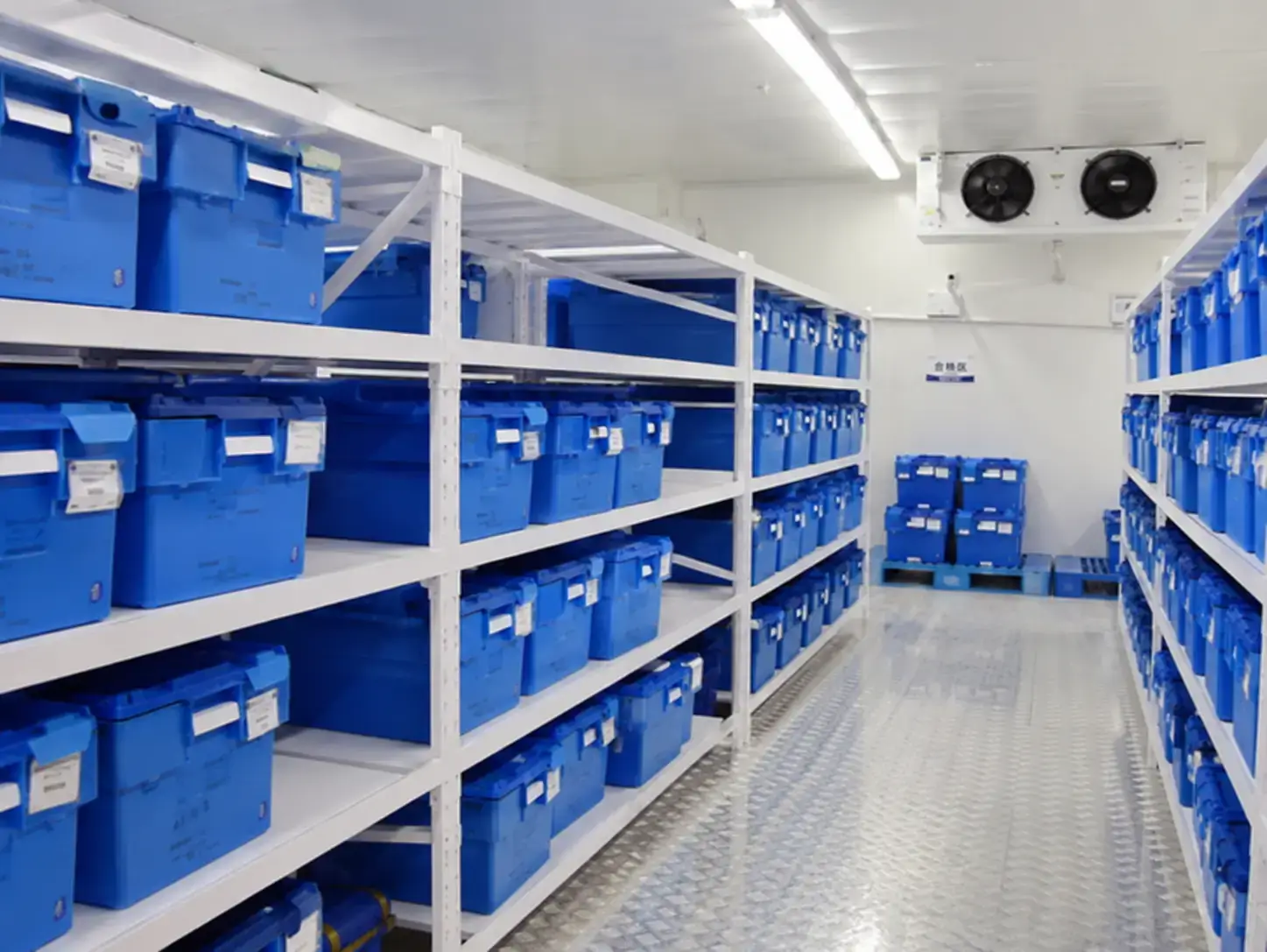
Pharmaceutical cold rooms typically use:
- PU insulated panels
- PIR insulated panels
- Pharmaceutical-grade interior materials
These structures help minimize thermal loss and improve temperature stability.
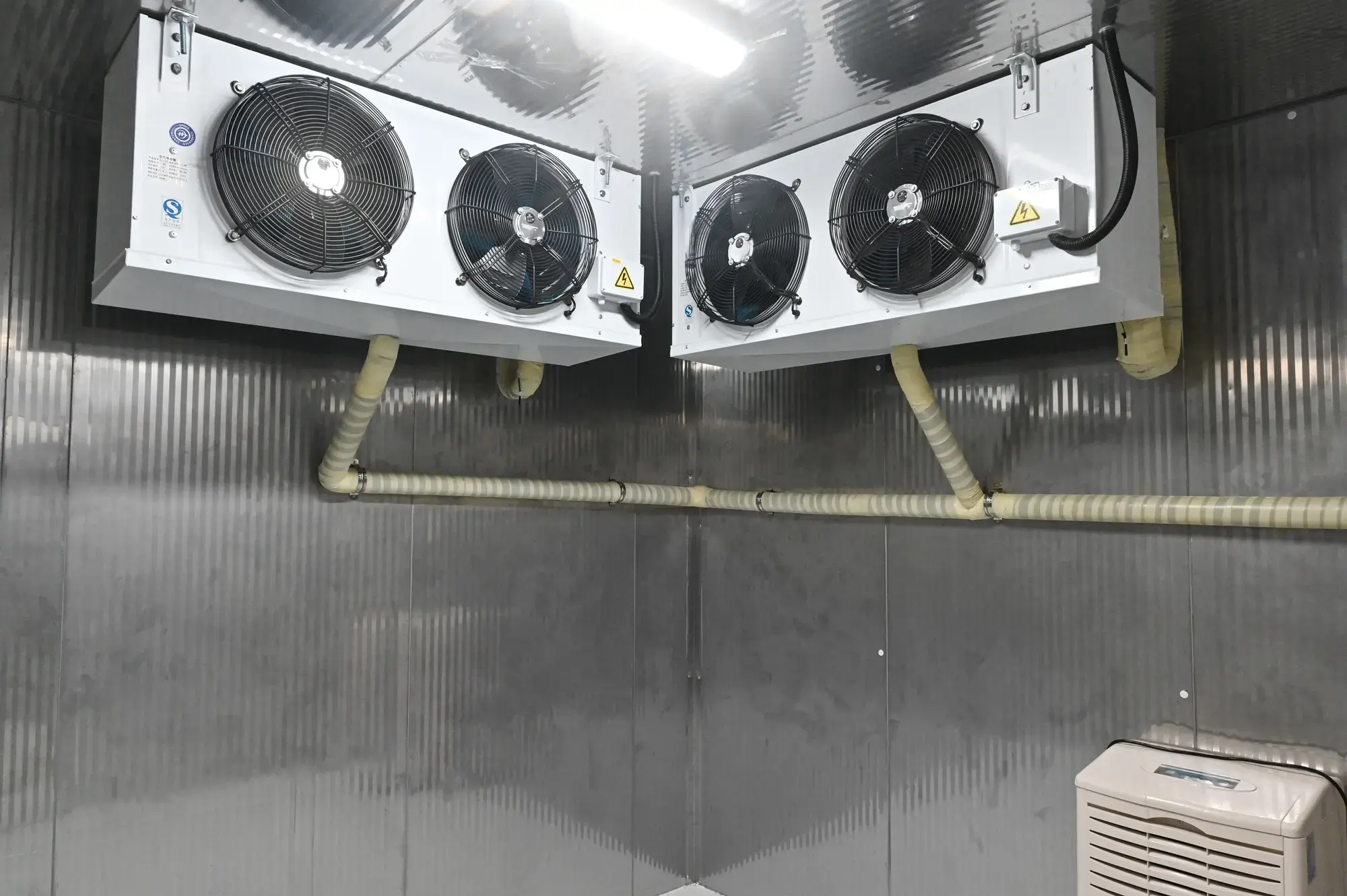
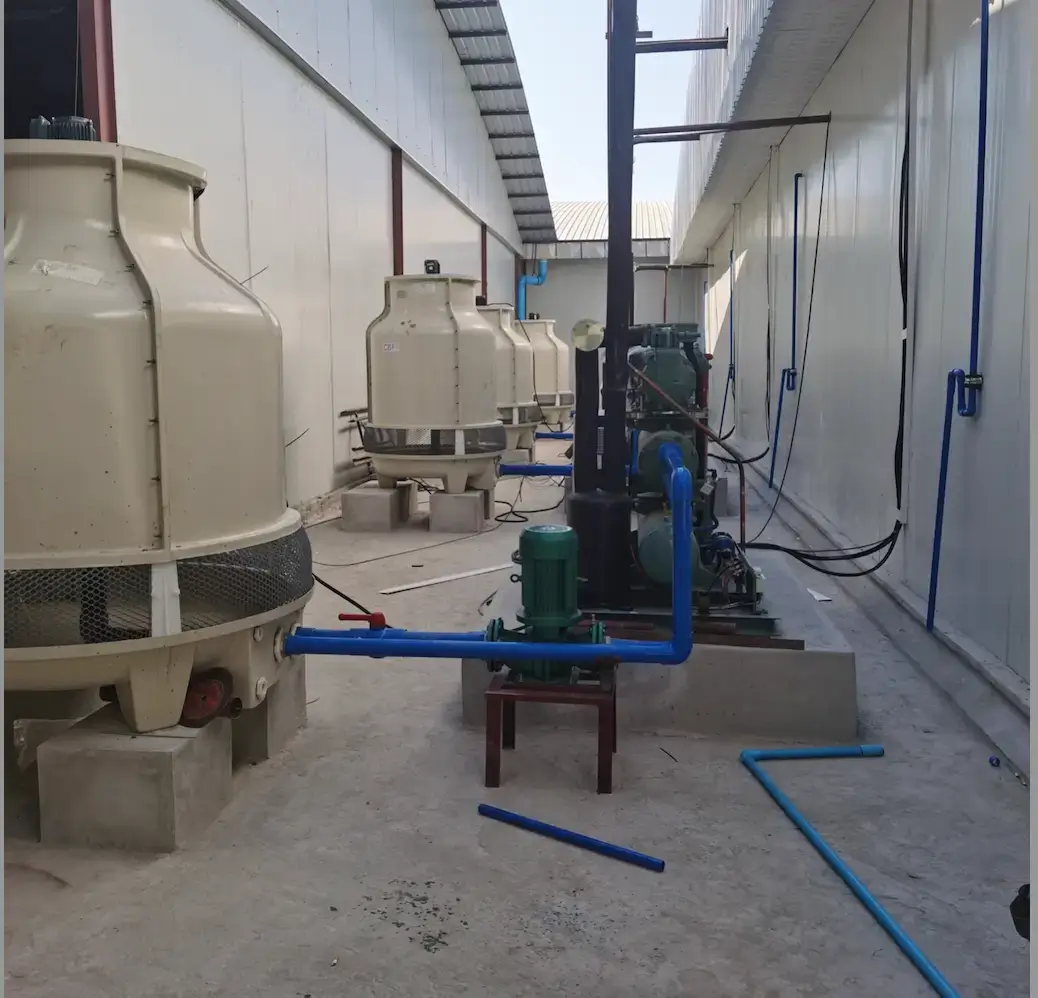
HVAC and Refrigeration Systems in Medical Cold Rooms
Core refrigeration components include:
- Industrial compressors
- Evaporators
- Condensers
- Precision HVAC systems
These systems ensure accurate temperature control and reliable operation.
Zoning Design for Different Pharmaceutical Products
Pharmaceutical cold storage facilities often include separate zones for:
- Standard medicines
- Vaccines
- Ultra-low temperature products
- Biological samples
Zoning helps improve operational efficiency and reduce cross-temperature interference.
Alarm and Monitoring Systems for Temperature Control
Modern medical cold rooms typically include:
- Temperature alarm systems
- Data logging
- Remote monitoring platforms
- Backup power systems
These features help ensure regulatory compliance and operational safety.
Vaccine Cold Storage Systems and Requirements
Vaccine Cold Storage Temperature Compliance Standards
Vaccines must be stored under tightly controlled conditions, typically:
- 2°C to 8°C
Maintaining this range is critical for vaccine stability and effectiveness.
Cold Room for Vaccine Storage in Hospitals
Hospitals commonly use small-scale vaccine cold rooms designed for:
- Stable storage conditions
- Fast access
- Reliable temperature monitoring
- Emergency backup operation
Handling and Distribution of Vaccines
The vaccine cold chain generally follows this process:
Production
↓
Cold Storage
↓
Transportation
↓
Hospitals / Vaccination Sites
Every step must be carefully monitored to prevent temperature excursions.
Preventing Cold Chain Breaks in Vaccine Logistics
Vaccine cold chains require:
- Continuous temperature recording
- Reliable backup systems
- Emergency response procedures
- Strict operational management
Cold chain interruptions can result in significant product loss and public health risks.
Ultra-Low Temperature Storage in Pharmaceutical Industry
What Is Ultra-Low Temperature Storage
Ultra-low temperature storage refers to refrigeration systems operating between:
- -40°C and -80°C
These systems are designed for highly sensitive pharmaceutical and biological materials.
Applications in mRNA Vaccine Storage
Ultra-low storage is commonly used for:
- mRNA vaccines
- DNA samples
- Cell cultures
- Research specimens
These products require highly stable storage environments.
Equipment Requirements for Ultra-Low Cold Rooms
Ultra-low temperature cold rooms typically require:
- Cascade refrigeration systems
- Advanced insulation structures
- Specialized compressors
- High-performance monitoring systems
Energy and Safety Considerations
Ultra-low temperature systems involve:
- High energy consumption
- Strict operational requirements
- Backup refrigeration systems
- Emergency power support
Proper engineering design is essential for reliable operation.
Best Practices for Pharmaceutical Cold Storage Management
Temperature and Humidity Monitoring
Pharmaceutical products are often stored under validated environmental conditions. In addition to temperature control, humidity must also be monitored, particularly when storing biological products, laboratory materials, and moisture-sensitive pharmaceuticals.
A pharmaceutical cold room is typically equipped with:
- Temperature sensors installed at multiple locations
- Humidity monitoring devices
- Data loggers for continuous recording
- Remote monitoring platforms
- Automatic alarm systems
Temperature and humidity records should be available for review at any time and retained according to internal quality procedures or regulatory requirements.
When a parameter moves outside the approved range, the monitoring system should immediately generate an alarm so that corrective actions can be taken before product quality is affected.
Hygienic Cold Room Construction
Pharmaceutical cold rooms are designed with higher hygiene standards than conventional food storage facilities.
Interior surfaces should be smooth, corrosion-resistant, and easy to clean. Materials commonly used in pharmaceutical applications include:
- Stainless steel wall protection
- Aluminum shelving systems
- Pharmaceutical-grade insulated panels
- Sealed floor and wall joints
The objective is to reduce dust accumulation, simplify cleaning procedures, and maintain a controlled storage environment.
In facilities operating under GMP requirements, cold room construction materials are often selected based on cleanability, durability, and resistance to cleaning chemicals.
GMP and GDP Compliance
Storage conditions must be documented and traceable throughout the entire cold chain.
Under GMP and GDP requirements, operators are expected to maintain:
- Temperature records
- Humidity records where applicable
- Equipment maintenance logs
- Calibration records
- Product traceability documentation
Storage, transportation, and distribution activities should be performed according to validated procedures to ensure pharmaceutical products remain within approved environmental conditions.
Inventory Management Using FIFO
Most pharmaceutical warehouses apply the FIFO (First In, First Out) principle to control inventory movement.
This approach helps ensure that products with earlier manufacturing or expiry dates are distributed first.
Benefits include:
- Better stock rotation
- Reduced risk of expired inventory
- Improved warehouse organization
- Easier batch management
Many facilities integrate warehouse management systems (WMS) with cold storage operations to track inventory location, batch numbers, and expiration dates.
Emergency Response and Backup Protection
Temperature excursions can result in product quarantine, additional quality investigations, or product disposal. For this reason, pharmaceutical cold storage facilities are usually designed with backup protection measures.
Common configurations include:
- Emergency generators
- UPS systems for monitoring equipment
- Standby refrigeration units
- Backup condensers or compressor systems
- Dual monitoring channels
- Automatic alarm notification systems
For vaccine storage, biologics, blood products, and other high-value pharmaceuticals, refrigeration redundancy is often incorporated into the system design. If the primary refrigeration unit fails, the standby system can continue maintaining the required storage temperature.
Backup power is equally important. During a power outage, generators and UPS systems help maintain refrigeration operation and ensure that monitoring and alarm systems remain active.
Protecting High-Value Pharmaceutical Products
Many pharmaceutical products cannot be visually inspected to determine whether a temperature excursion has affected their quality.
Vaccines, biologics, blood products, cell therapy materials, and certain specialty medicines may require a formal quality assessment after a temperature deviation occurs.
Because of this, pharmaceutical cold room projects typically place strong emphasis on:
- Stable temperature control
- Reliable humidity management
- Continuous monitoring
- Equipment redundancy
- Emergency response planning
These measures help maintain approved storage conditions and support the integrity of pharmaceutical products throughout their storage life.
People Also Ask (PAA)
What is GDP in pharmaceutical cold chain?
GDP (Good Distribution Practice) is a regulatory standard that ensures pharmaceutical products are stored, transported, and distributed under controlled conditions with full traceability.
What is the temperature range for pharmaceutical cold storage?
Most pharmaceutical cold storage systems operate between:
- 2°C and 8°C
This range is suitable for many medicines and vaccines.
How are vaccines stored in cold rooms?
Vaccines are typically stored in vaccine cold rooms maintained at:
- 2°C to 8°C
These facilities use precise temperature monitoring and backup systems to maintain stability.
What is ultra-low temperature storage?
Ultra-low temperature storage refers to refrigeration systems operating between:
- -40°C and -80°C
These systems are commonly used for mRNA vaccines and biological samples.
Where can I find cold storage solutions for pharmaceuticals?
Pharmaceutical cold storage solutions are typically provided by:
- Cold room manufacturers
- Refrigeration engineering companies
- Medical cold chain solution providers
Conclusion: Building a Reliable Pharmaceutical Cold Storage System
Modern healthcare and pharmaceutical industries rely heavily on advanced cold chain systems, including:
- Pharmaceutical Cold Storage
- Vaccine Cold Storage
- Medical Cold Rooms
- Cold chain pharmaceutical storage systems
A properly designed pharmaceutical cold room helps: - Protect drug safety and efficacy
- Improve vaccine distribution efficiency
- Maintain GDP and GMP compliance
- Reduce product loss during storage and transportation
As global demand for temperature-sensitive medicines continues to grow, reliable pharmaceutical cold storage infrastructure has become a critical part of modern healthcare supply chains.