Introduction
The global plant-based food market has experienced rapid growth in recent years. Products such as plant-based meat, plant-based milk, vegan cheese, and alternative protein foods are becoming increasingly common in supermarkets, restaurant chains, e-commerce delivery channels, and food processing facilities.
Although these products are derived from plants, their temperature requirements are often as demanding as those of traditional refrigerated foods. Many plant-based products rely on complex formulations containing plant proteins, vegetable oils, and functional ingredients. Their texture, emulsion stability, and overall product quality can be highly sensitive to temperature fluctuations.
Improper storage or transportation conditions may lead to oil separation, texture degradation, moisture loss, reduced shelf life, and inconsistent product quality. For manufacturers and cold chain operators, temperature control is therefore not only a food safety requirement but also a critical factor affecting product performance, waste reduction, and customer satisfaction.
From rapid post-production cooling to refrigerated or frozen storage and temperature-controlled transportation, every stage of the cold chain plays a role in protecting product integrity.
This article explores why plant-based foods are particularly sensitive to temperature changes, and how cold storage engineering and cold chain systems help manufacturers extend shelf life, reduce waste, and maintain product quality.
Plant-Based Food Cold Chain: Why It Matters in the Alt-Protein Industry
Rapid Growth of the Plant-Based Food Market
As consumer demand for sustainable and alternative protein products continues to rise, plant-based foods are reaching a wider range of retail, foodservice, and distribution channels.
With expanded distribution networks comes greater dependence on reliable cold storage and cold chain logistics. Manufacturers must ensure that products maintain consistent quality from production to consumption.
A well-designed cold chain helps businesses:
- Maintain product quality
- Extend shelf life
- Reduce product returns
- Minimize food waste
- Strengthen brand reputation
Why Plant-Based Foods Are More Temperature-Sensitive
Many plant-based foods are formulated using:
- Soy protein
- Pea protein
- Wheat protein
- Vegetable oils
- Emulsifiers and stabilizers
These ingredients create complex structures that can be sensitive to temperature fluctuations.
Temperature instability may cause:
- Texture deterioration
- Oil-water separation
- Moisture migration
- Protein structure damage
- Reduced sensory quality
For refrigerated and frozen plant-based products, maintaining a stable temperature environment is essential for preserving both functionality and consumer appeal.
Business Impact of Cold Chain Failure
Poor cold chain management can result in:
- Reduced shelf life
- Product quality complaints
- Increased return rates
- Inventory losses
- Higher operational costs
As plant-based food production scales globally, the reliability of cold rooms, refrigeration systems, and temperature monitoring technologies becomes increasingly important.
Physical and Chemical Characteristics of Plant-Based Foods
High Moisture Content and Ice Crystal Damage
Many plant-based products contain significant amounts of water.
During freezing, water forms ice crystals. If freezing occurs too slowly or storage temperatures fluctuate, ice crystals can continue growing and damage the product's internal structure.
This often leads to:
- Water loss after thawing
- Texture degradation
- Reduced juiciness
- Lower product quality
For long-term frozen storage, rapid freezing and stable low-temperature conditions are critical.
Protein Network Instability
Plant-based meat products rely on structured protein networks created from ingredients such as:
- Soy protein
- Pea protein
- Wheat gluten
These protein structures are designed to mimic the texture of meat.
Repeated freeze-thaw cycles or temperature fluctuations may weaken these networks, resulting in:
- Loss of firmness
- Reduced elasticity
- Structural breakdown
- Inferior eating quality
Emulsion Instability in Plant-Based Products
Products such as plant-based milk, vegan cheese, and dairy alternatives often contain emulsified oil and water systems.
Temperature fluctuations can cause:
- Oil separation
- Phase instability
- Texture inconsistencies
- Reduced visual appeal
For these products, temperature stability is often more important than achieving extremely low temperatures.
Temperature Control Strategy in Plant-Based Cold Chain
Storage Temperature Requirements
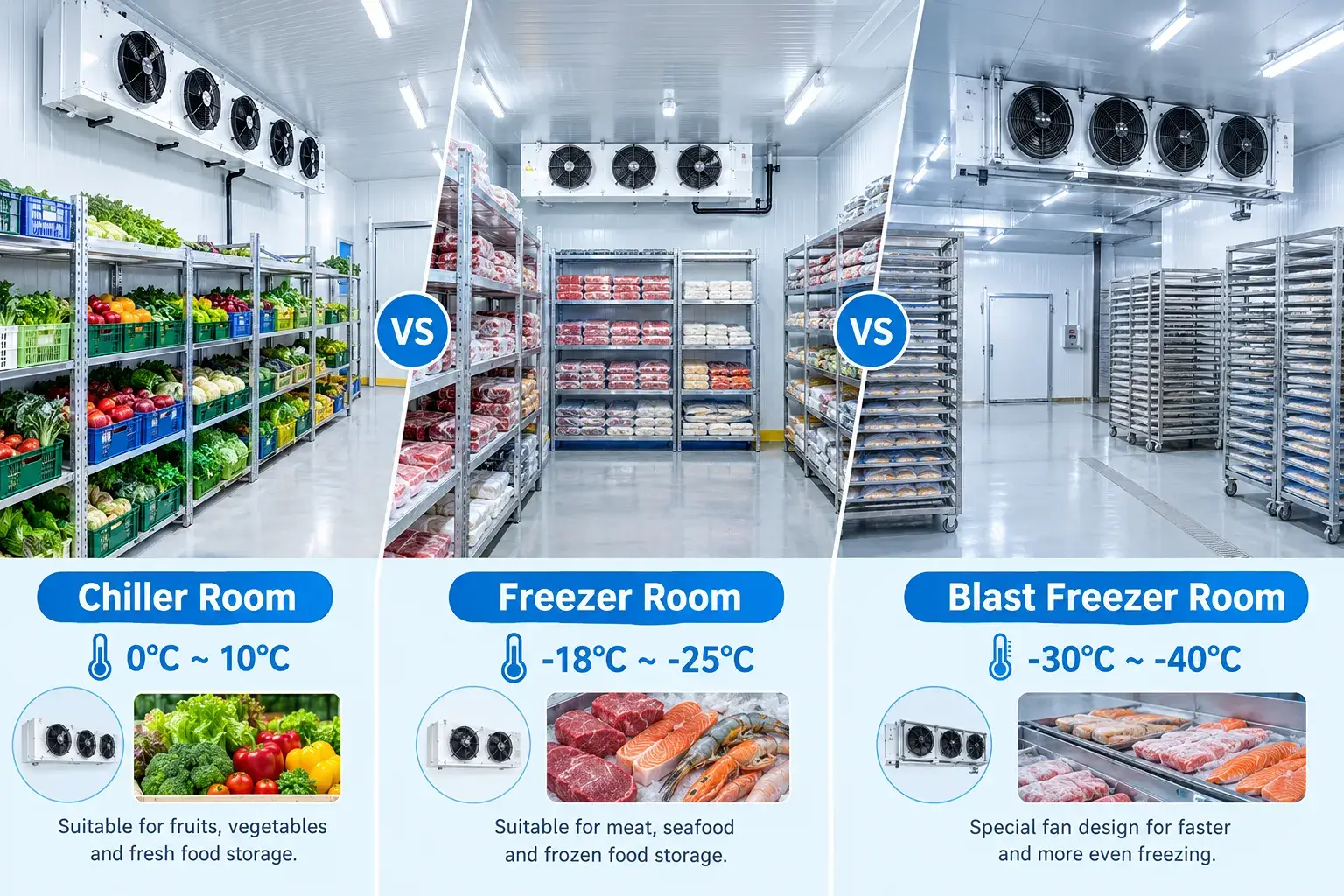
Different plant-based products require different storage conditions depending on formulation, moisture content, and processing methods.
Refrigerated Products
Typical storage temperature:
0°C to 4°C (32°F to 39°F)
Suitable for:
- Plant-based milk
- Vegan yogurt
- Vegan cheese
- Fresh plant-based foods
Frozen Products
Typical storage temperature:
-18°C to -25°C (0°F to -13°F)
Suitable for:
- Plant-based meat
- Frozen ready meals
- Alternative protein products
Blast Frozen Products
Rapid freezing temperature:
-35°C to -45°C (-31°F to -49°F)
Used for:
- Preserving texture
- Minimizing ice crystal damage
- Extending storage life
Why Temperature Stability Matters
For plant-based foods, maintaining stable temperatures is often more important than simply reaching the target temperature.
Frequent temperature fluctuations can trigger freeze-thaw cycles, resulting in:
- Ice crystal growth
- Moisture migration
- Protein damage
- Texture degradation
- Reduced shelf life
Even short-term temperature deviations can affect long-term product quality.
Cold Chain Monitoring and Control
Modern plant-based food facilities increasingly rely on digital monitoring systems.
Common technologies include:
- IoT temperature sensors
- Real-time monitoring platforms
- Automated alarm systems
- Cloud-based data logging
- Predictive maintenance tools
These systems help operators identify issues early and maintain continuous temperature control throughout the supply chain.
Temperature Control Strategy & Product Temperature Guide
Plant-based food cold chains cover multiple stages, from production and processing to storage and distribution. Different product categories require different temperature conditions to maintain quality and shelf life.
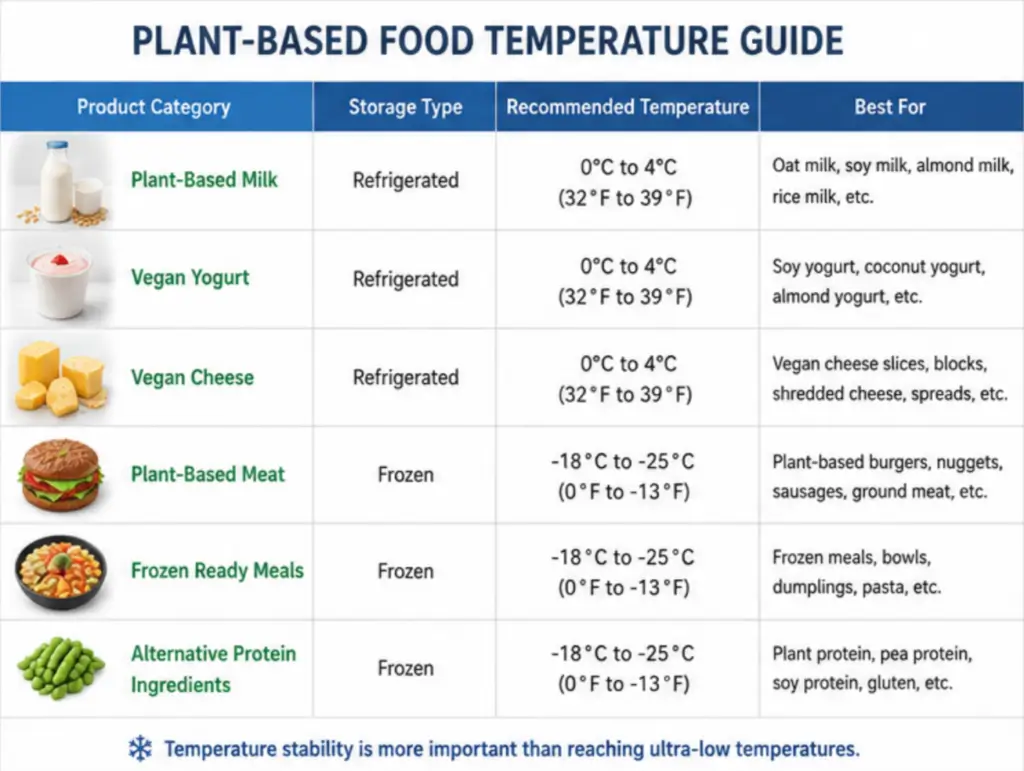
From Rapid Cooling to Cold Storage: Integrated Cold Chain System for Plant-Based Food Facilities
Plant-based food cold chains consist of multiple temperature-controlled stages that work together as a complete system.
Cold Chain Process and Functional Design
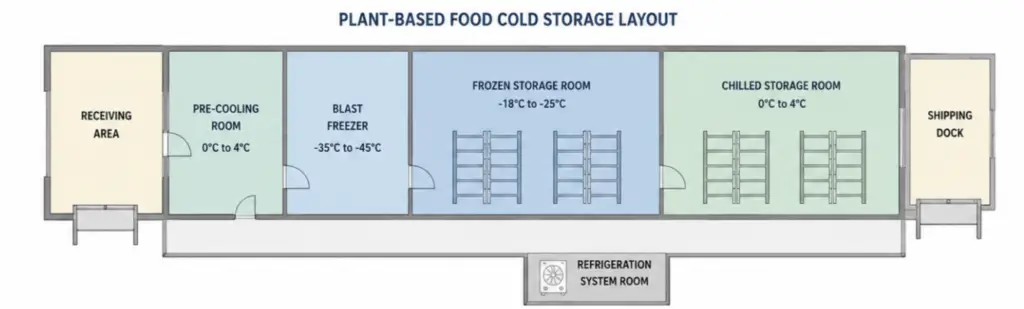
Pre-Cooling
Pre-cooling rapidly reduces product temperature after production or packaging.
Benefits include:
- Reducing heat load
- Improving product stability
- Preparing products for storage
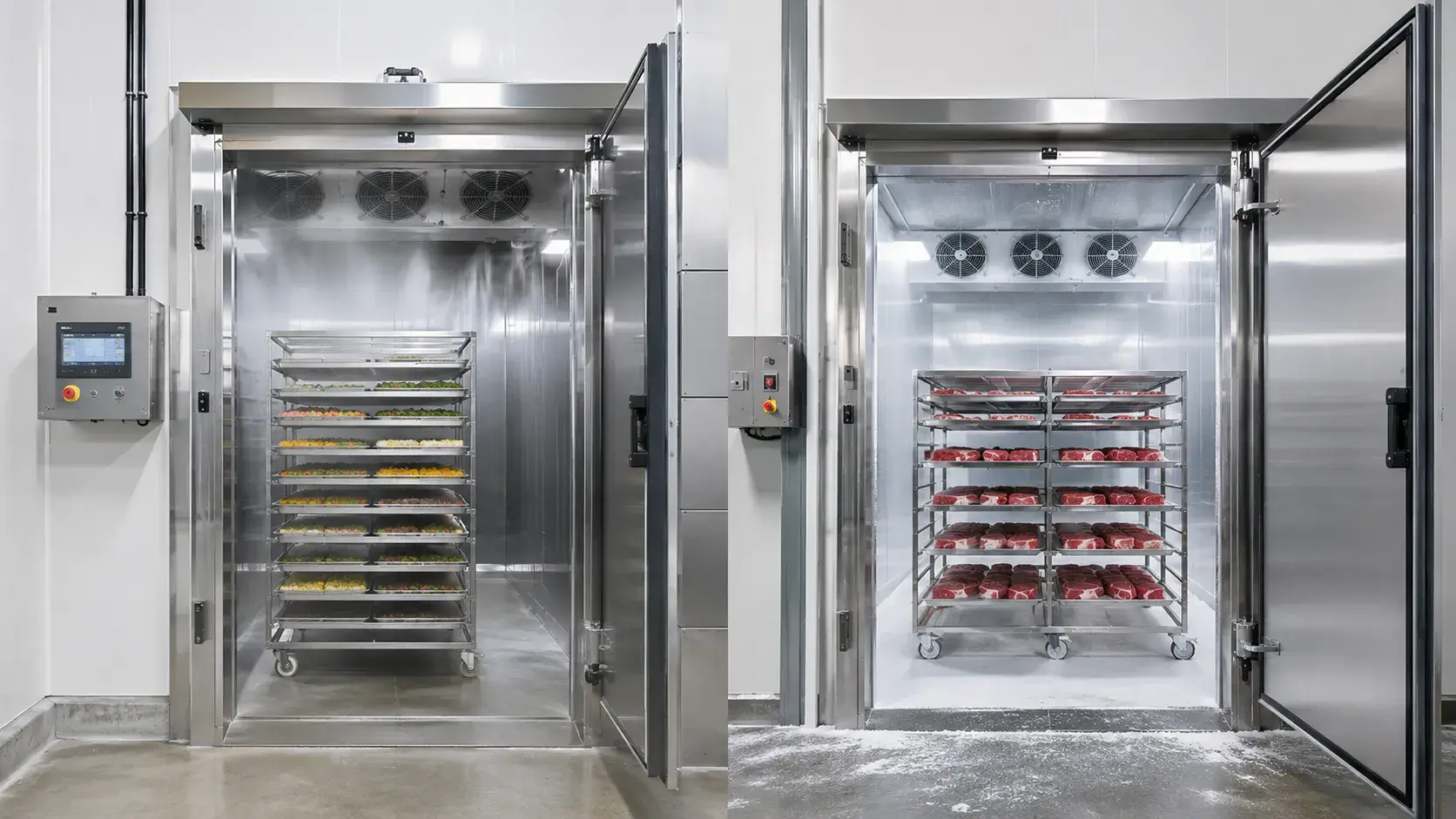
Blast Freezing
For frozen products, blast freezing rapidly lowers temperature and minimizes ice crystal formation.
Benefits include:
- Better texture retention
- Reduced structural damage
- Longer shelf life
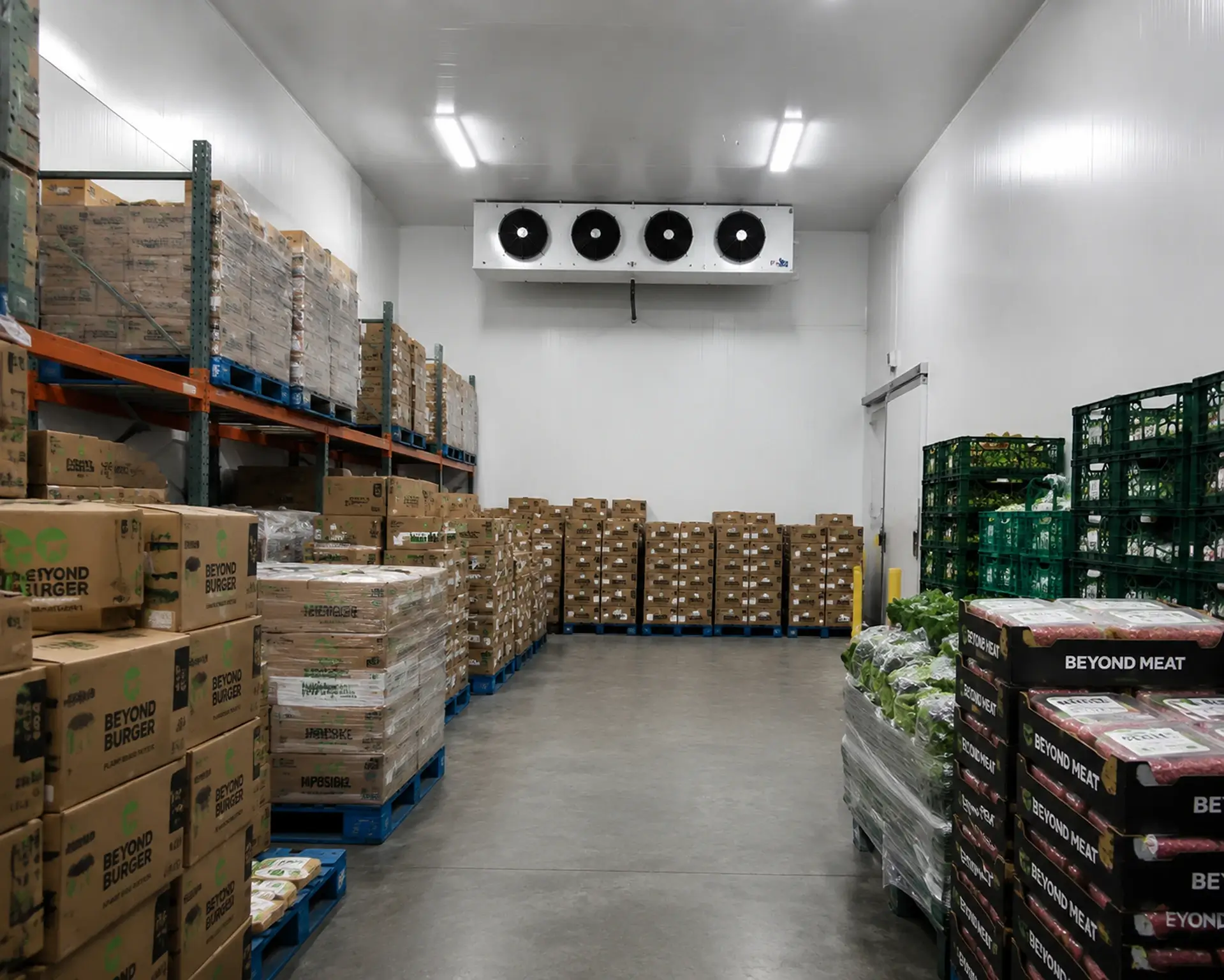
Cold Storage
Products are then transferred to:
- Chilled storage (0°C–4°C)
- Frozen storage (-18°C to -25°C)
for long-term preservation.
Cold Room Engineering Integration
An integrated plant-based food facility typically includes:
- Pre-Cooling Room
- Blast Freezer
- Chilled Storage Room
- Frozen Storage Room
Proper zoning minimizes temperature fluctuations during internal logistics and product movement.
Engineering Control Principles
Successful plant-based cold chain systems are built around three key principles:
Temperature Continuity
Minimize temperature breaks between processing stages.
Zoning Control
Separate different temperature environments and product categories.
Environmental Stability
Maintain balanced airflow, humidity, and temperature conditions.
Together, these factors determine product quality and system performance.
Cold Storage Solutions for Plant-Based Food Manufacturers
Small & Medium Producers
Smaller manufacturers typically prioritize flexibility and scalability.
Common solutions include:
- Modular cold rooms
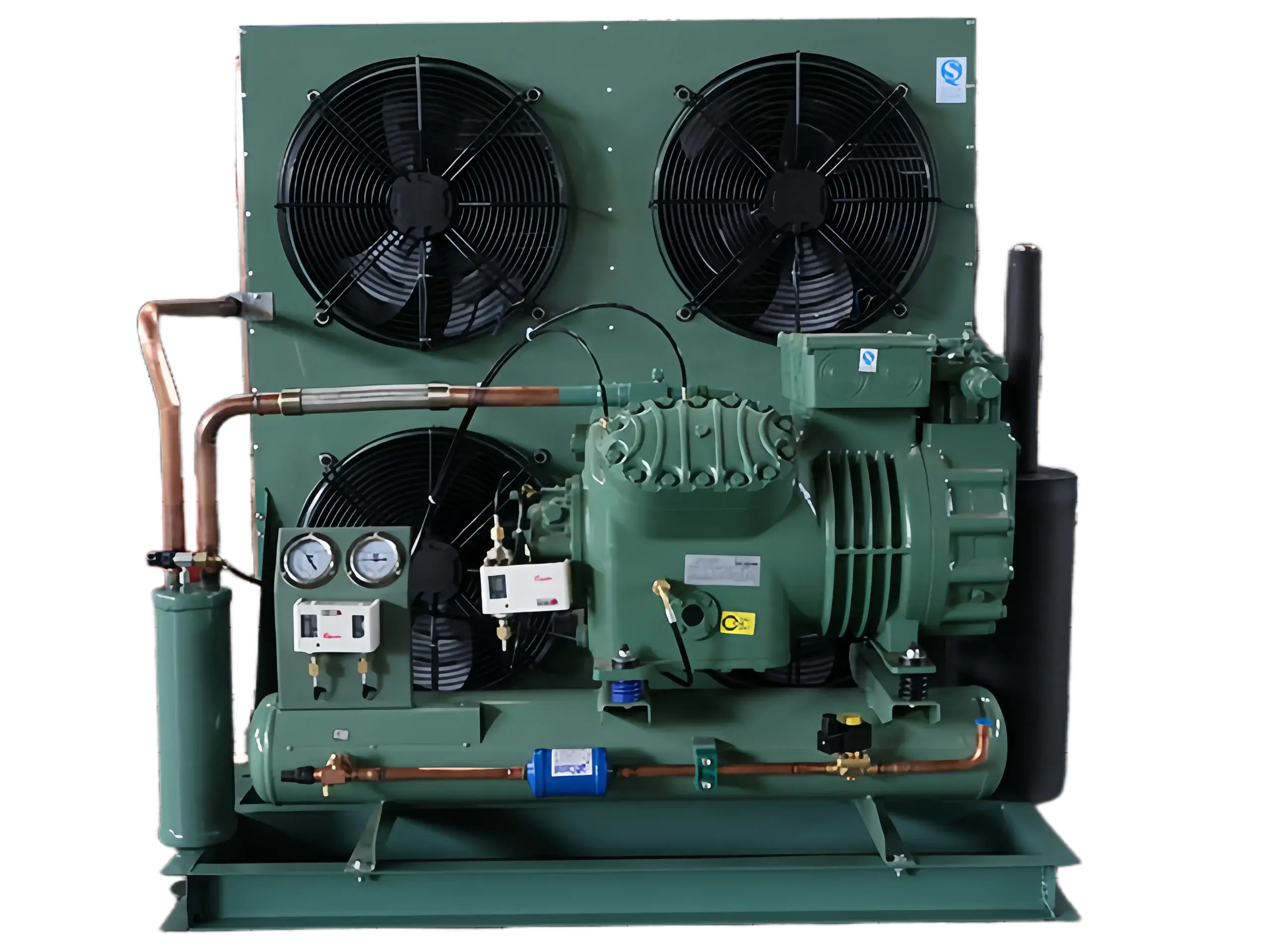
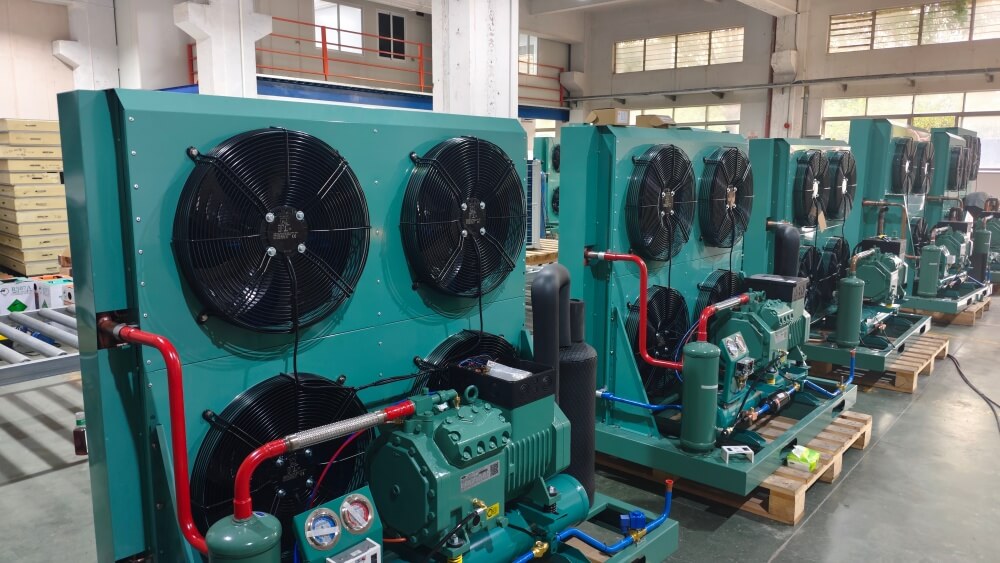
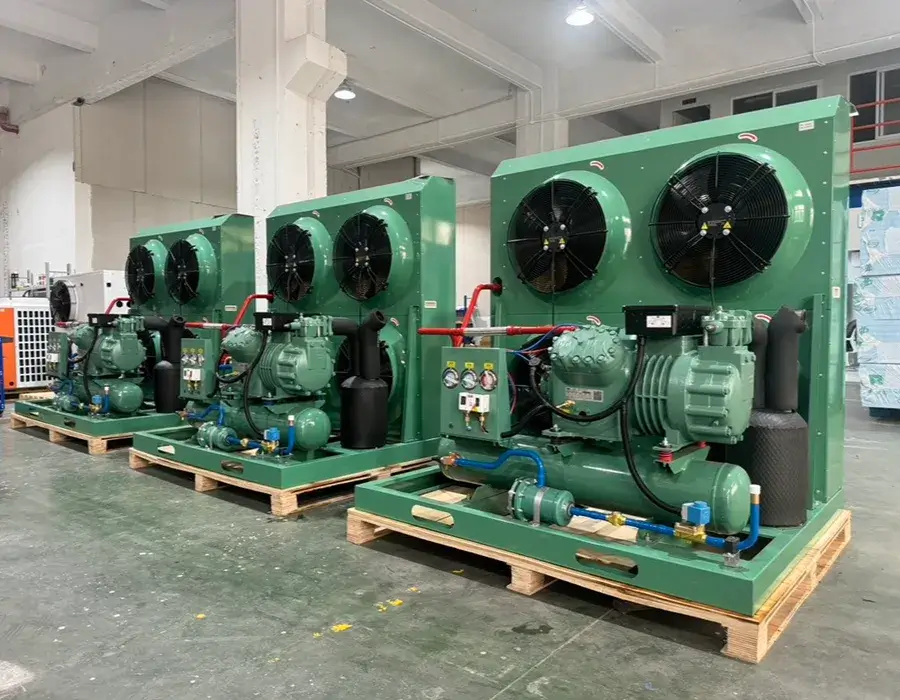
- Standalone refrigeration units
These systems provide cost-effective cold storage with future expansion potential.
Medium Processing Plants
Mid-sized facilities often require:
- Refrigerated storage
- Frozen storage
- Blast freezing capability
Typical configurations include:
- Split refrigeration systems
- Blast freezer systems
- Multi-zone cold storage
Large Distribution Centers
Large distribution hubs require:
- High throughput capacity
- Long-term operational stability
- Advanced inventory management
Common solutions include:
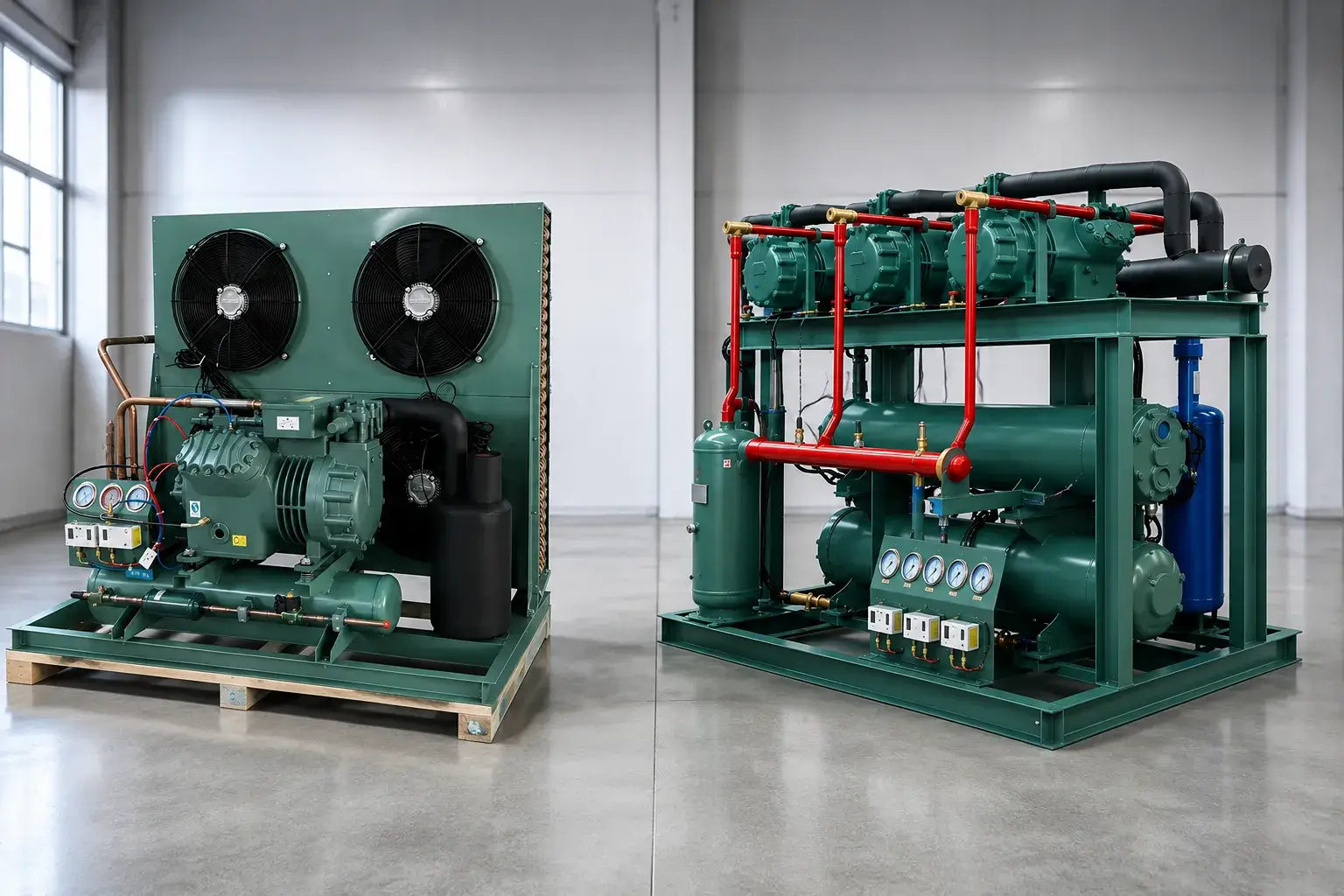
- Centralized refrigeration systems
- Automated cold storage warehouses
- Multi-temperature zone management
Key Selection Factors
When choosing a cold storage solution, manufacturers should evaluate:
- Temperature requirements
- Energy efficiency
- Monitoring capabilities
- Maintenance requirements
- Future scalability
Regulatory & Food Safety Compliance
Plant-based food cold chains are expected to comply with food safety and quality management standards.
Key requirements typically include:
- HACCP-based temperature control procedures
- Continuous temperature recording
- Product traceability systems
- Audit and inspection readiness
- Export compliance documentation
Comprehensive cold chain records help reduce food safety risks while improving supply chain transparency.
Real-World Applications in the Plant-Based Industry
Plant-based cold storage systems are commonly used in:
Plant-Based Meat Production Facilities
Supporting:
- Raw material storage
- Intermediate product storage
- Finished product freezing
Plant-Based Dairy Facilities
Providing:
- Stable refrigerated storage
- Temperature-sensitive product protection
Frozen Ready Meal Production
Requiring:
- Blast freezing
- Frozen warehousing
- Distribution logistics support
Each application requires a customized cold chain strategy based on product characteristics and operational requirements.
People Also Ask
Are plant-based proteins better for freezing or refrigeration?
Fresh plant-based proteins are typically stored at 0°C–4°C, while frozen products are stored at -18°C to -25°C, depending on shelf-life requirements.
What is the ideal temperature for plant-based yogurt?
The recommended storage temperature is 0°C–4°C, which helps maintain texture stability and prevent separation.
Why is temperature fluctuation harmful to plant-based food?
Temperature fluctuations can cause freeze-thaw cycles, leading to texture damage, emulsion instability, moisture migration, and reduced shelf life.
How does freezing affect plant protein texture?
Improper freezing can create large ice crystals that damage protein structures and negatively affect texture after thawing.
What are common cold chain mistakes in plant-based food logistics?
Common issues include: Temperature deviations Poor insulation Inadequate monitoring Improper handling during loading and transportation
Conclusion: Building a Stable Cold Chain for Plant-Based Food
The quality of plant-based food products depends largely on the stability of the cold chain rather than any single refrigeration unit.
Successful systems focus not only on maintaining low temperatures but also on ensuring smooth transitions between:
- Pre-cooling
- Blast freezing
- Refrigerated storage
- Frozen storage
- Distribution
Key Engineering Focus
When designing a plant-based food cold storage system, manufacturers should consider:
- Whether blast freezing is required
- Product-specific temperature requirements
- Multi-temperature zone management
- Door-opening frequency and heat load
- Long-term temperature stability
- Monitoring and traceability needs
These operational factors ultimately determine system design and performance.
Our Plant-Based Cold Room Projects
We have provided cold storage solutions for various plant-based food applications, including:
- Plant-based meat blast freezing and frozen storage systems
- Plant-based milk and dairy alternative cold rooms
- Frozen ready meal warehousing facilities
- Integrated multi-temperature cold chain projects
What We Can Support
Our services include:
- Complete cold room design (pre-cooling, blast freezing, chilled and frozen storage)
- Product-specific temperature planning
- Airflow and temperature uniformity optimization
- Energy-efficient refrigeration system design
- Temperature monitoring and traceability solutions
Talk About Your Project
Whether you are building a plant-based food factory, distribution center, export cold chain facility, or alternative protein processing plant, selecting the right cold storage system is essential for maintaining product quality and maximizing shelf life.
Share your product type, production capacity, and storage requirements with us, and we can help develop a customized cold room and cold chain solution tailored to your operation.