Introduction
Every year, the global meat industry loses billions of dollars due to improper temperature control and cold chain failures. Studies from food safety organizations show that even a brief temperature fluctuation of just 2–3°C can significantly accelerate microbial growth, reduce shelf life, and lead to irreversible quality degradation in meat products.
From slaughtering and processing to storage and global distribution, meat is one of the most temperature-sensitive food categories in the entire cold chain industry. Once the carcass temperature is not rapidly reduced after slaughter, enzymatic reactions and bacterial activity begin immediately, making precise cold storage management a critical factor in both food safety and commercial profitability.
In modern industrial food logistics, meat cold storage systems play a central role in maintaining product integrity. Whether it is beef, pork, lamb, or poultry, each type of meat requires carefully controlled conditions across chilling, freezing, and long-term storage stages. A well-designed cold storage environment ensures stable temperature distribution, minimizes moisture loss, and preserves texture, color, and nutritional value throughout the supply chain.
This guide provides a complete, engineering-level breakdown of meat cold storage, including:
- Optimal storage temperatures for different meat types
- The scientific differences between chilled and frozen storage
- Shelf life performance under various temperature and packaging conditions
- A step-by-step processing workflow from pre-cooling to blast freezing
- And key design principles for industrial cold storage systems
By understanding these principles, slaughterhouses, food processing plants, cold chain logistics providers, and catering suppliers can make more informed decisions when selecting or designing a meat cold storage system that ensures food safety, operational efficiency, and long-term product quality stability.
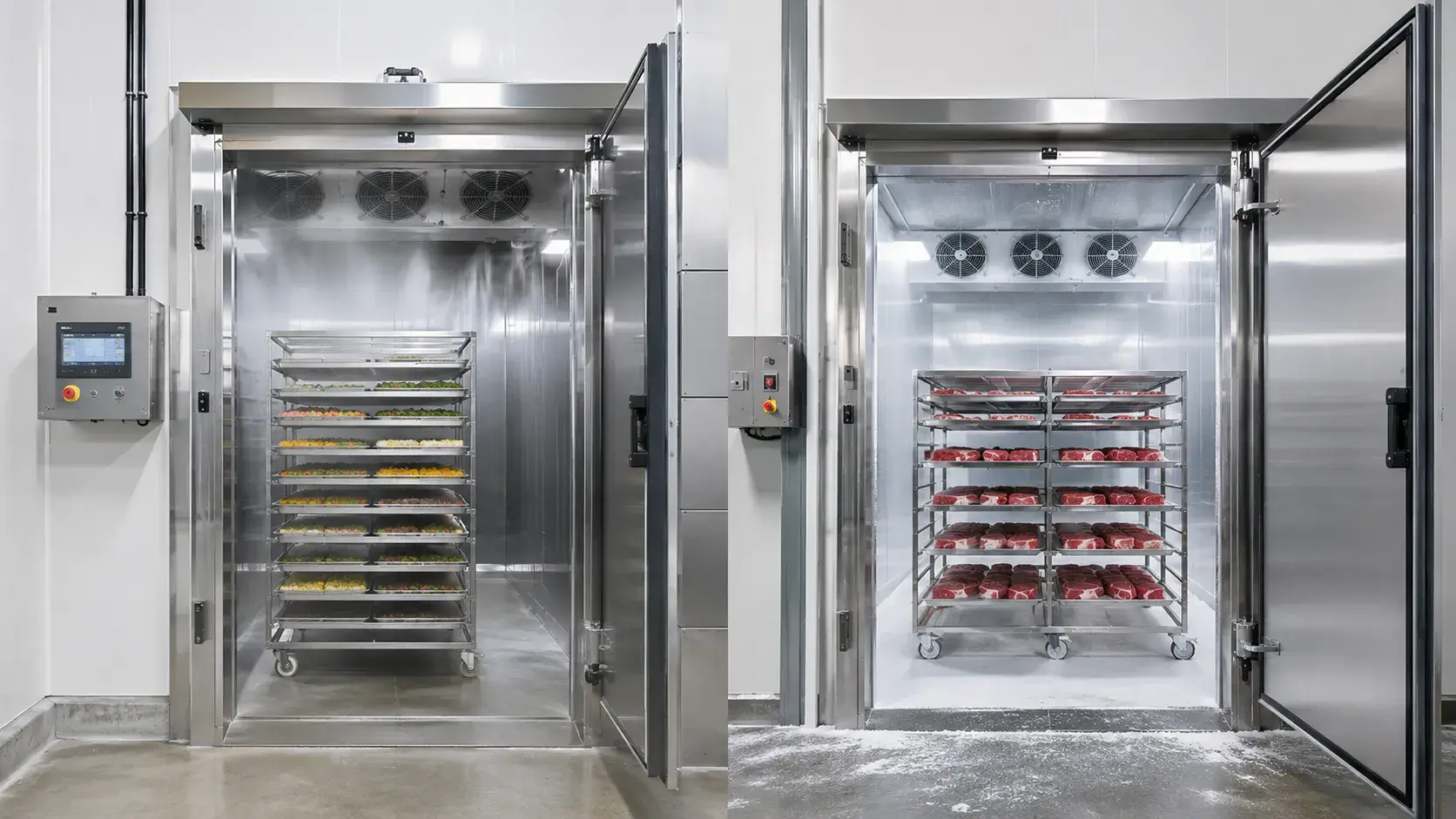
Many meat processors rely on industrial cold storage systems to maintain strict temperature control throughout the production chain.
Typical solutions include:
• Meat chilling rooms
• Blast freezers
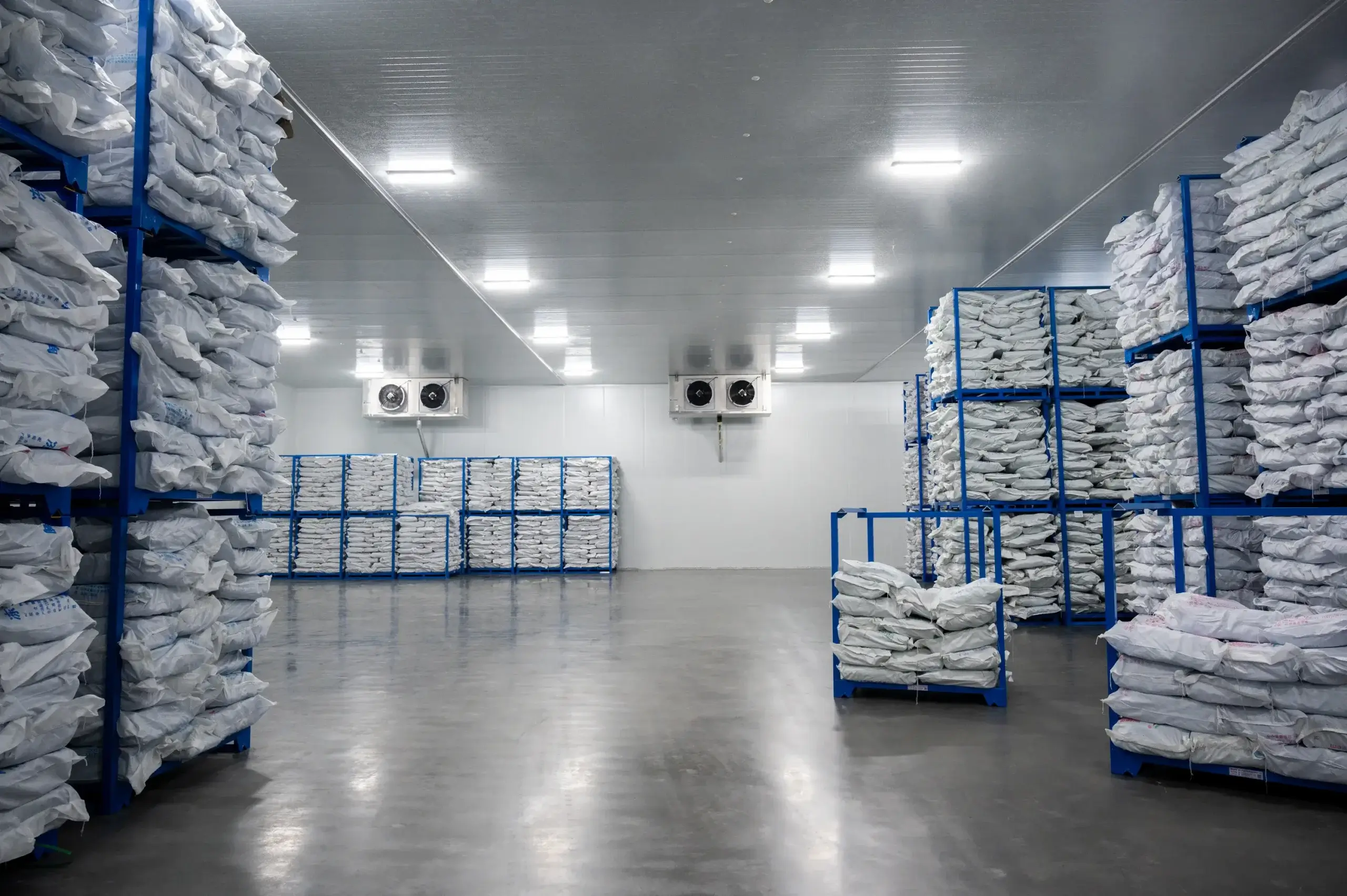
• Frozen storage warehouses
• Containerized cold rooms
If you are planning a meat processing or cold chain project, selecting the right cold storage configuration is essential.
Understanding Meat Cold Storage Rooms
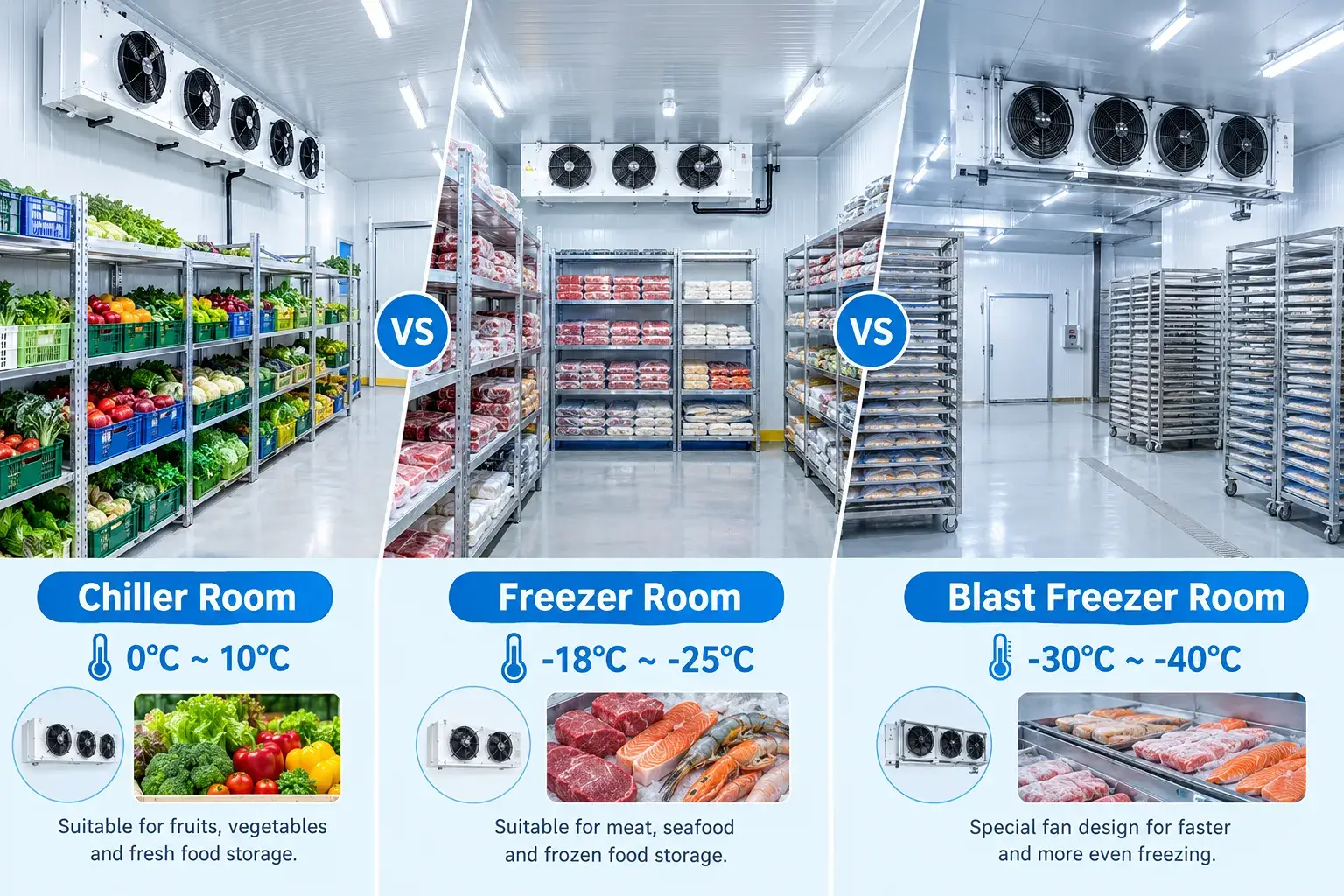
Chiller Rooms vs. Freezer Rooms
A meat chilling room (chiller room) is designed to maintain temperatures between 0°C and 4°C, making it suitable for short-term storage of fresh meat. At this range, bacterial growth is significantly slowed, but the product remains unfrozen, preserving its natural texture and appearance.
In contrast, a freezer room or walk-in freezer operates at -18°C or lower, which is the industry standard for long-term frozen meat storage. At this temperature, microbial activity is effectively suspended, allowing extended preservation periods.
From an engineering perspective, chiller rooms consume less energy and require simpler refrigeration systems, while freezer rooms demand stronger compressors, thicker insulation panels, and higher cooling capacity due to deeper temperature requirements.
Why Temperature Control Matters for Meat Preservation
Temperature control is the foundation of meat safety and quality preservation. Immediately after slaughter, microbial activity and enzymatic reactions begin, which can rapidly degrade meat quality if not controlled.
Regulatory standards in the food industry typically require chilled meat storage below 4°C and frozen storage at -18°C or lower to ensure food safety compliance. Any fluctuation outside these ranges can significantly shorten shelf life and increase spoilage risk.
Even small temperature variations inside a cold storage room can affect color stability, water retention, and texture, making precise control essential for commercial meat operations.
Meat Cold Storage Temperatures Guide
What Temperature Should Meat Be Stored at in a Cold Room?
Fresh meat in a cold storage room should ideally be maintained between 0°C and 4°C. For premium cuts such as beef and lamb, a slightly lower range of -1.5°C to 0°C is often used to extend shelf life without freezing the produ
For frozen meat storage, the standard temperature is -18°C or below, which ensures long-term preservation by keeping microorganisms inactive. In high-performance systems such as industrial freezing facilities, blast freezing zones may reach -35°C to -40°C to rapidly pass through the critical ice crystal formation zone.
Humidity control is also important. A relative humidity level of 85%–90% helps reduce surface dehydration while maintaining product weight and appearance. Proper air circulation ensures uniform temperature distribution across the entire storage area.
Engineering Interpretation (Important for Cold Chain Design)
1️⃣ Chilled Storage (0°C–4°C)
Chilled storage is designed for short-term preservation of fresh meat products. At this temperature range, microbial activity and enzymatic reactions are significantly slowed but not completely stopped, making it suitable for retail distribution, slaughterhouse pre-cooling, and short-term logistics operations.
2️⃣ Frozen Storage (≤ -18°C)
Frozen storage is used for long-term preservation by effectively suspending microbial growth. It is widely applied in meat processing plants, cold chain logistics warehouses, and international export supply chains.
3️⃣ Key Shelf Life Determinants
Actual storage duration may vary depending on:
- Packaging method (vacuum packaging significantly extends shelf life)
- Cold chain stability (temperature fluctuations reduce product quality and shelf life)
- Storage environment control (humidity and airflow uniformity)
Meat Cold Storage Temperature & Shelf Life Chart
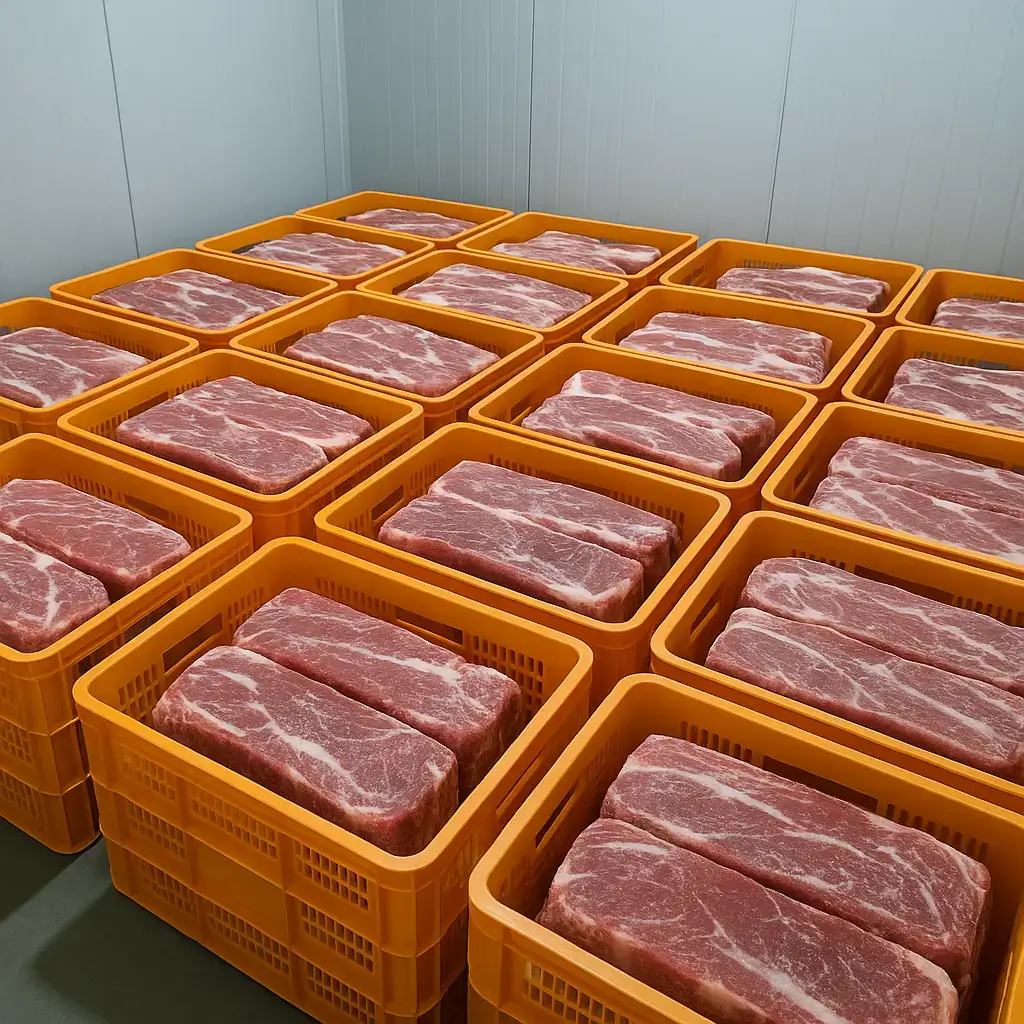
The table below summarizes standard industrial benchmarks for meat storage under chilled and frozen conditions. These values are widely used in cold chain logistics, meat processing plants, and food distribution systems, assuming stable temperature control and proper handling throughout the supply chain.
Different meat categories vary significantly in storage stability due to differences in fat composition, water activity, and microbial sensitivity. Red meats such as beef and lamb generally demonstrate stronger storage stability, while poultry and organ meats are highly perishable and require stricter temperature control and faster processing cycles.
Meat Cold Storage Temperature & Shelf Life Table
| Meat Type | Chilled Temp (°C) | Frozen Temp (°C) | Chilled Shelf Life | Frozen Shelf Life | Storage Notes |
|---|---|---|---|---|---|
| Beef | 0 ~ 2°C | ≤ -18°C | 3–7 days | 6–12 months | High-value meat, vacuum packaging recommended |
| Pork | 0 ~ 4°C | ≤ -18°C | 3–5 days | 4–6 months | Prone to oxidation, requires stable cold chain |
| Lamb | 0 ~ 2°C | ≤ -18°C | 3–6 days | 6–12 months | Relatively stable fat composition |
| Chicken | 0 ~ 2°C | ≤ -18°C | 1–3 days | 6–9 months | High moisture, high microbial risk |
| Duck | 0 ~ 2°C | ≤ -18°C | 1–4 days | 6–9 months | Higher fat content, oxidation risk |
| Processed Meat | 2 ~ 6°C | ≤ -18°C | 5–10 days | 2–6 months | Depends on additives & packaging |
| Offal / Organ Meat | 0 ~ 2°C | ≤ -18°C | 1–2 days | 3–6 months | Highly perishable, rapid cooling required |
While recommended storage temperatures can significantly extend the shelf life of meat, storage conditions alone do not guarantee product quality.
In modern meat processing facilities, shelf life is closely linked to how the product is handled immediately after slaughter. Rapid chilling, proper aging, hygienic cutting, and efficient freezing all play critical roles in slowing microbial growth and preserving meat texture and flavor.
To better understand how meat maintains its freshness during storage, it is important to examine the complete meat processing and cold chain workflow, from slaughter to long-term cold storage.
Meat Processing Workflow: From Slaughter to Cold Storage
| Step | Temperature Range | Purpose |
|---|---|---|
| Pre-cooling | 0 ~ 4°C | Rapidly remove field heat and reduce bacterial growth |
| Aging | 0 ~ 4°C | Improve meat tenderness and enhance flavor |
| Blast Freezing | -30 ~ -40°C | Quickly freeze to preserve texture and minimize ice crystal formation |
| Frozen Storage | ≤ -18°C | Maintain long-term storage stability and food safety |
Step 1: Pre-Cooling
Pre-cooling is the first and most critical step in meat processing. After slaughter, carcass temperature is approximately 35°C, and it must be rapidly reduced to below 4°C to prevent bacterial growth. This process typically occurs in a controlled meat chilling room, where air velocity is maintained between 0.5–2 m/s to ensure even cooling. Depending on carcass size, pre-cooling may take 10–20 hours.
Step 2: Aging and Acid
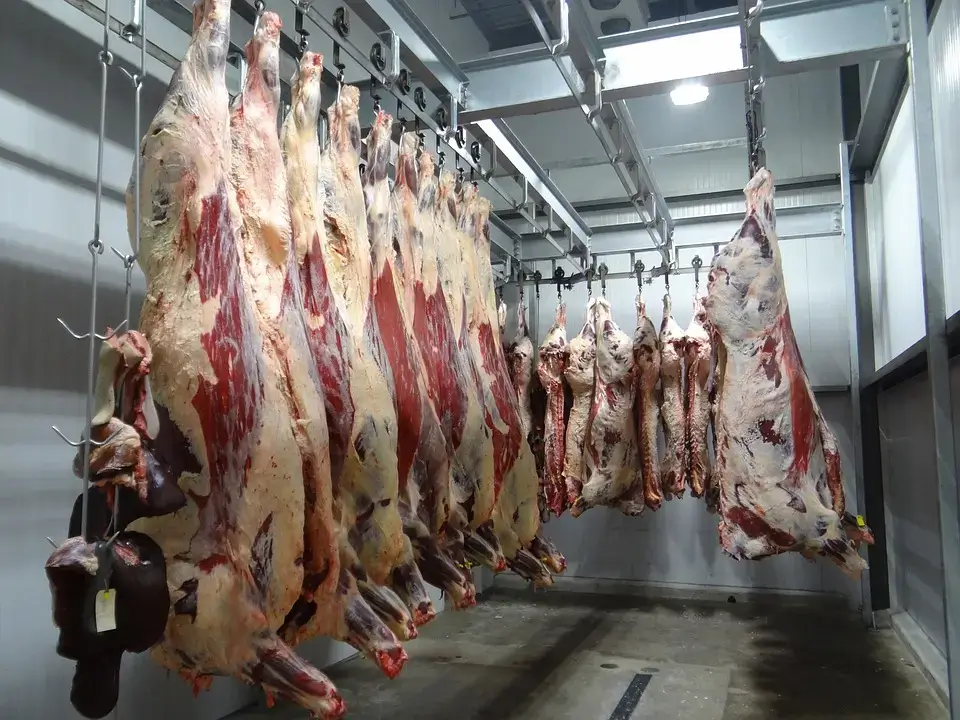
Removal Aging, also known as rigor resolution or acid removal, improves meat tenderness and flavor. It is performed in a controlled chilling environment at 0°C to 4°C with 70%–80% relative humidity, typically requiring 24–72 hours to complete the initial acid removal phase under stable airflow and temperature conditions. Beef may undergo aging for several days to weeks depending on quality requirements, while pork and poultry require shorter durations. Proper airflow control is essential to prevent surface drying and contamination.
Step 3: Quick Freezing
Quick freezing is used to preserve meat quality for long-term storage. The product is rapidly cooled through the critical ice crystal formation zone (-1°C to -5°C) to minimize cell damage. This is typically achieved using a blast freezer operating at air temperatures of -35°C to -40°C. Fast freezing reduces ice crystal size, preserving texture, juiciness, and nutritional value.
How Do You Preserve Meat in a Cold Room?
Proper preservation requires more than temperature control. Vacuum packaging is widely used to reduce oxygen exposure and prevent oxidation. Additionally, strict FIFO (First-In-First-Out) inventory management ensures product rotation and freshness control. Cleanliness, humidity control, and continuous temperature monitoring are essential to prevent contamination and quality degradation in any meat cold storage system.
Key Design Factors for Meat Cold Storage Rooms
Insulation Panels
To ensure stable internal temperatures and minimize operational energy consumption, the cold storage envelope is predominantly constructed using modular PU (Polyurethane) or PIR (Polyisocyanurate) sandwich panels. Given the sensitivity of meat products to temperature fluctuations, panel thickness is graded strictly according to application:
- 100mm Thickness: Suitable for high-temperature chill rooms (0°C to 4°C) or short-term turnover storage, ensuring no surface condensation occurs.
- 150mm Thickness: Mandatory for low-temperature freezer rooms (-18°C to -23°C). The improved fire resistance and lower thermal conductivity of PIR material effectively resist deep freeze-thaw cycles.
- 200mm Thickness:Suitable for Blast Freezer rooms (-30°C ~ -40°C) .
- Prevention of Cold Bridges: Panel joints utilize a dual protection mechanism with eccentric cam-locks and integrated sealing gaskets. At the junction of floors and wall panels, an SBS vapor barrier layer combined with high-strength XPS extruded polystyrene board is essential. This structurally blocks thermal conduction paths, preventing frost buildup or ice formation at enclosure seams.
Refrigeration Systems
Given the high load fluctuations and frequent door openings typical in meat processing plants, the refrigeration system configuration prioritizes industrial-grade energy efficiency and humidity retention:
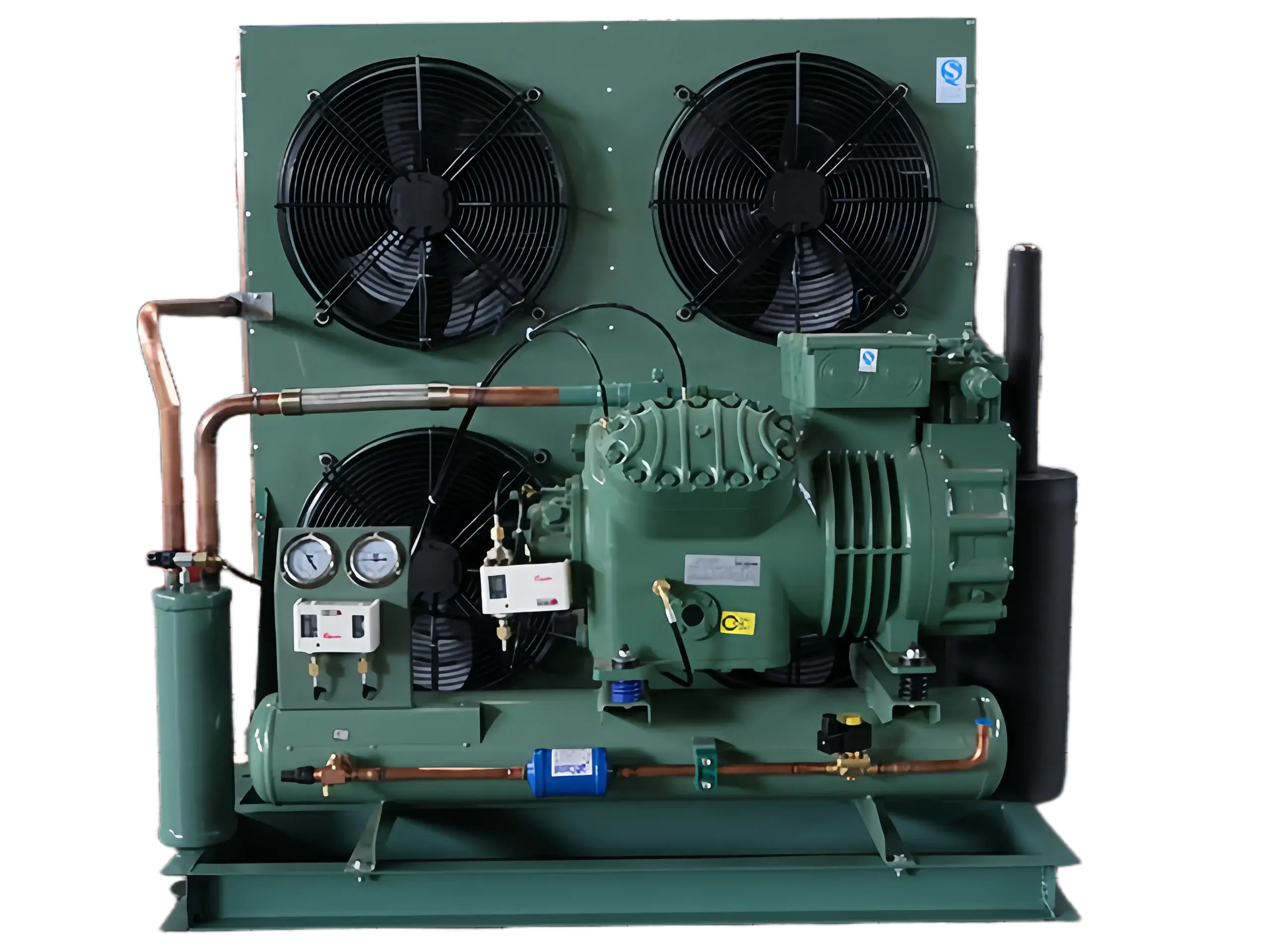
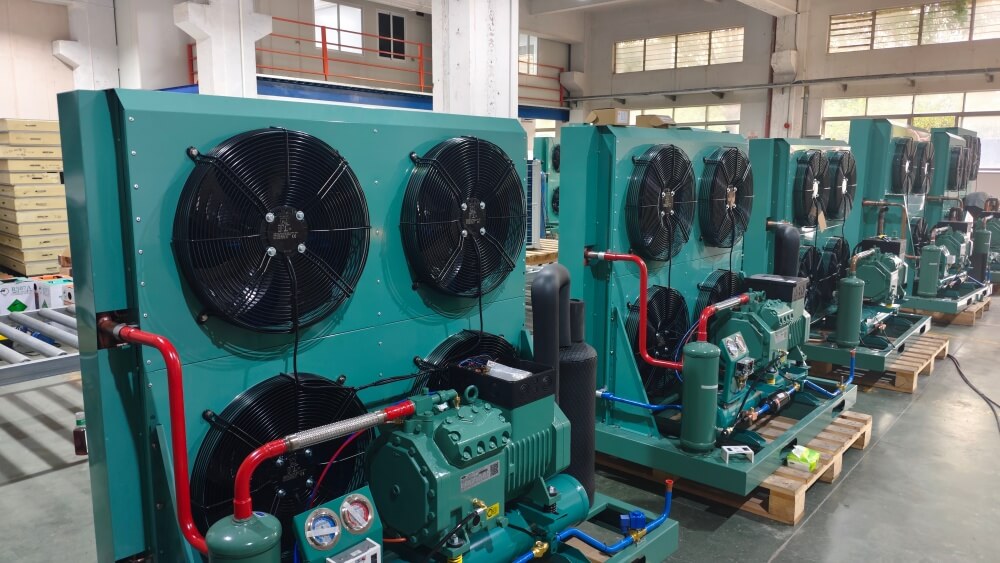
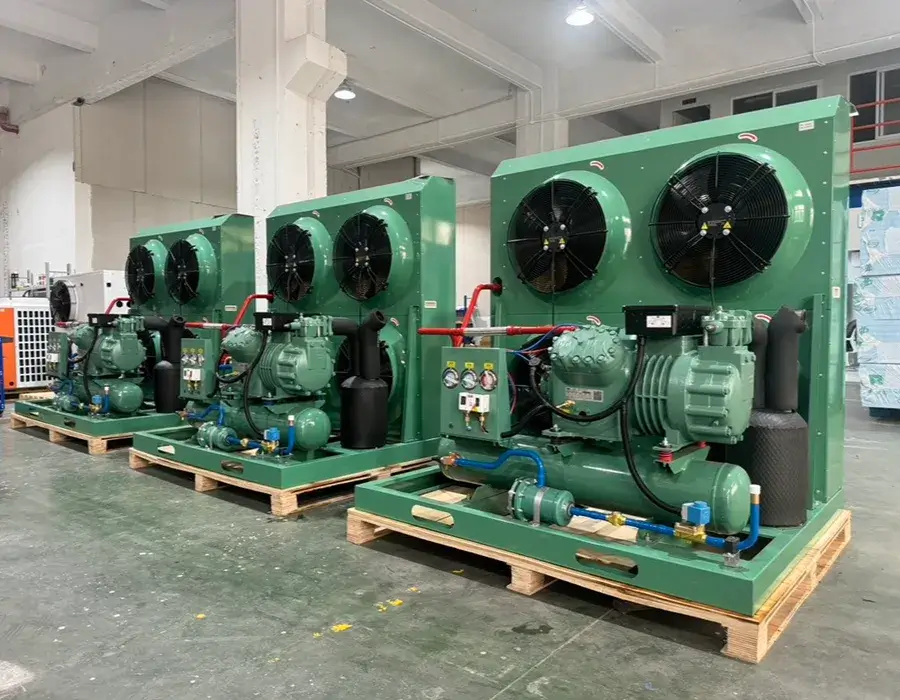
- Air-Cooled Condensing Units: Priority is given to air-cooled units equipped with EC fan speed control. Compared to water-cooled systems, these are easier to maintain and automatically adjust condensing pressure based on ambient temperature, making them well-suited for the complex outdoor conditions of slaughterhouses.
- Specialized Evaporators: Industrial ceiling-mounted high-humidity evaporators are utilized. The key design feature is wide fin spacing—specifically, a variable fin pitch of 6mm to 9mm for freezer applications. Wider spacing significantly reduces frost accumulation rates on the fin surface. Coupled with electric or hot gas defrost systems, this minimizes the temperature rise within the room during defrost cycles.
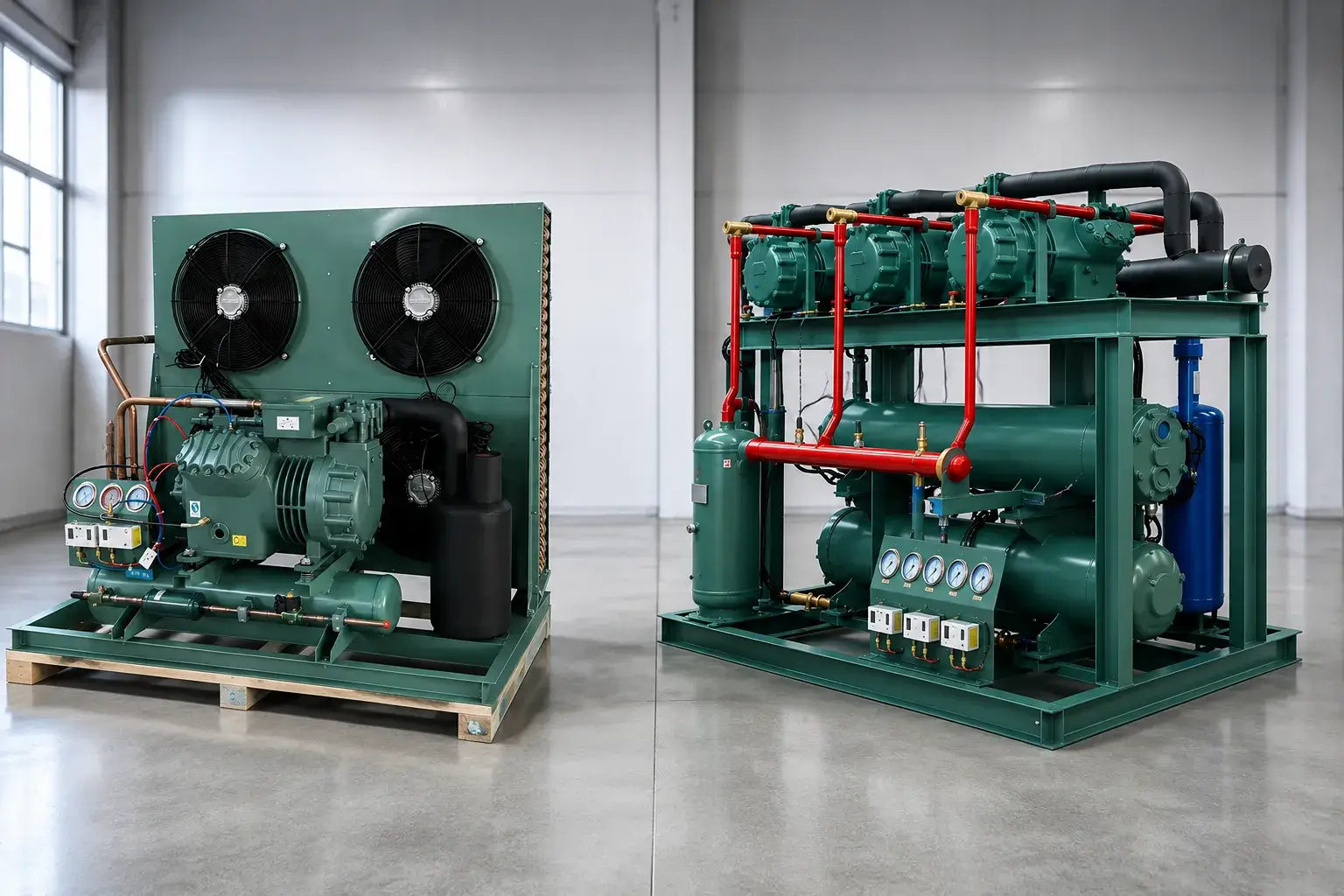
- Compressor Rack Systems: For large centralized cold storage facilities, multi-compressor parallel piston or screw compressor racks are employed in conjunction with PLC intelligent group control. This system automatically stages compressor capacity (loading/unloading) based on the instantaneous heat load during peak carcass intake periods, preventing issues associated with frequent single-compressor cycling, such as poor oil return and motor wear.
Air Circulation
Airflow distribution is critical in determining the dry loss rate and visual appearance of meat products. The design philosophy centers on "low velocity, high uniformity, and humidity control":
- Preventing Dry Loss: Air velocity at the evaporator outlet is strictly controlled within the range of 1.5–2.5 m/s to prevent high-speed air from directly blowing onto carcass surfaces. By installing fabric air ducts for micro-perforated diffusion air supply, cold air envelops the product similarly to natural convection. This effectively inhibits ice crystal sublimation on the surface, controlling monthly weight loss to under 0.3% .
- Preventing Frost and Water Accumulation: A reasonable fresh air pre-cooling and ventilation exchange rate must be established to prevent moisture introduced by personnel entry from rapidly condensing and forming thick frost layers on the evaporator coils.
- Uniform Temperature Field: Fan layouts are optimized using CFD fluid dynamics simulation to ensure temperature variation across all zones of the room does not exceed ±0.5°C. This prevents localized areas of incomplete freezing that could lead to core spoilage of the meat.
Customized Engineering Design Logic
For slaughterhouses and meat processors, the final configuration of a cold storage system is not a standardized copy but rather an engineering calculation based on the following critical variables:
- Carcass Volume and Density: Calculation of airflow resistance and unit cooling load per cubic meter based on hanging rail layouts.
- Daily Throughput and Intake Temperature: If incoming carcass temperature exceeds 35°C, a blast chilling pre-cooling room is required. This space must be equipped with high-capacity shelf coil freezers or fluidized bed freezers to ensure the meat passes through the maximum ice crystal formation zone within 4 to 6 hours.
- Storage Duration: For long-term storage (exceeding 6 months), additional humidification equipment or overhead aluminum tube evaporators should be incorporated. Radiant heat transfer from these systems further suppresses moisture loss and freezer burn.
In summary, modern meat cold storage represents an integrated application of insulation material science, thermodynamics, and fluid mechanics. From the prevention of cold bridges in modular PU panels to the efficient adaptation of compressor racks and the low-loss control of terminal airflow, every design parameter aims to minimize the risk of cold chain interruption while preserving the initial tenderness and safety of meat products.
Common Meat Cold Storage Mistakes
One of the most common mistakes is incorrect temperature setting, which can accelerate spoilage or cause partial freezing in chilled environments.
Poor air circulation is another major issue, leading to uneven cooling and localized warm zones inside the cold storage room. Improper packaging also increases dehydration and contamination risks.
Meat Cold Storage Room Solutions by Industry
Slaughterhouse System
Slaughterhouses require integrated systems including pre-cooling rooms, carcass chilling rooms, and blast freezers to handle high throughput operations efficiently.
Meat Processing Plants
Processing facilities use cutting room cold storage, processed meat chillers, and quick freezing tunnels to maintain product consistency and hygiene.
Distribution Centers
Cold chain logistics centers rely on large frozen warehouses and containerized cold storage systems for export and long-distance transportation.
Choosing the Right Meat Cold Storage Solution for Your Business
Selecting the right meat cold storage system depends on business scale, product type, and storage duration. Small retailers may only require walk-in chillers, while industrial processors need integrated freezing and storage systems.
Modular cold rooms offer flexibility for expansion, while customized systems provide optimized performance for specific production requirements. Key selection factors include temperature range, energy efficiency, humidity control, and scalability.
Conclusion
Proper temperature control is the foundation of effective meat preservation. Understanding the difference between chilled and frozen storage, along with the correct handling of different meat types, is essential for maintaining product quality and safety.
A complete meat cold storage solution typically includes pre-cooling, aging, quick freezing, and long-term frozen storage. Each stage plays a critical role in preserving texture, flavor, and shelf life.
Contact Icepoint today to discuss your meat cold storage project and get a professional solution tailored to your business needs.