Introduction
In modern food service operations, reliable cold storage is essential for maintaining food quality, safety, and kitchen efficiency. Restaurants, hotels, catering businesses, and supermarkets handle large volumes of perishable ingredients every day, including meat, seafood, vegetables, dairy products, and prepared foods. Without proper temperature control, these ingredients can quickly spoil, leading to food waste, safety risks, and operational losses.
As a result, cold room for restaurant systems have become a critical part of commercial kitchen infrastructure. Whether it is a restaurant cold storage system for fresh ingredients or a large supermarket cold room for high-volume food distribution, professional refrigeration solutions help extend shelf life, reduce spoilage, and improve inventory management.
This article explains how to design efficient cold storage in restaurant environments, including temperature standards, cold room types, layout planning, refrigeration systems, and commercial cold room cost considerations.
Why Cold Room for Restaurant Is Essential for Food Service Industry
Ensuring Food Safety and Preventing Spoilage
Restaurant kitchens store highly perishable products such as meat, seafood, dairy products, and cooked foods. If these ingredients are exposed to improper temperatures, bacteria can multiply rapidly, increasing the risk of food contamination and spoilage.
A professional restaurant cold storage system keeps food within safe temperature ranges and helps restaurants comply with food safety standards. Proper refrigeration also reduces waste and protects food quality throughout daily operations.
Improving Kitchen Efficiency and Inventory Management
Cold rooms allow restaurants to store ingredients in bulk and organize inventory more efficiently. Instead of making frequent daily purchases, kitchens can maintain stable stock levels and improve operational planning.
Well-designed cold storage in restaurant environments also improves workflow efficiency by reducing ingredient retrieval time and simplifying inventory rotation.
Supporting High-volume Commercial Food Operations
Large restaurants, hotel kitchens, catering companies, and central kitchens require reliable refrigeration systems to support continuous food production.
Commercial cold rooms help businesses:
- Store large quantities of ingredients
- Support centralized food preparation
- Maintain stable food quality
- Improve supply chain efficiency
Types of Cold Storage in Restaurant and Food Service Industry
Walk-in Cold Room for Restaurants
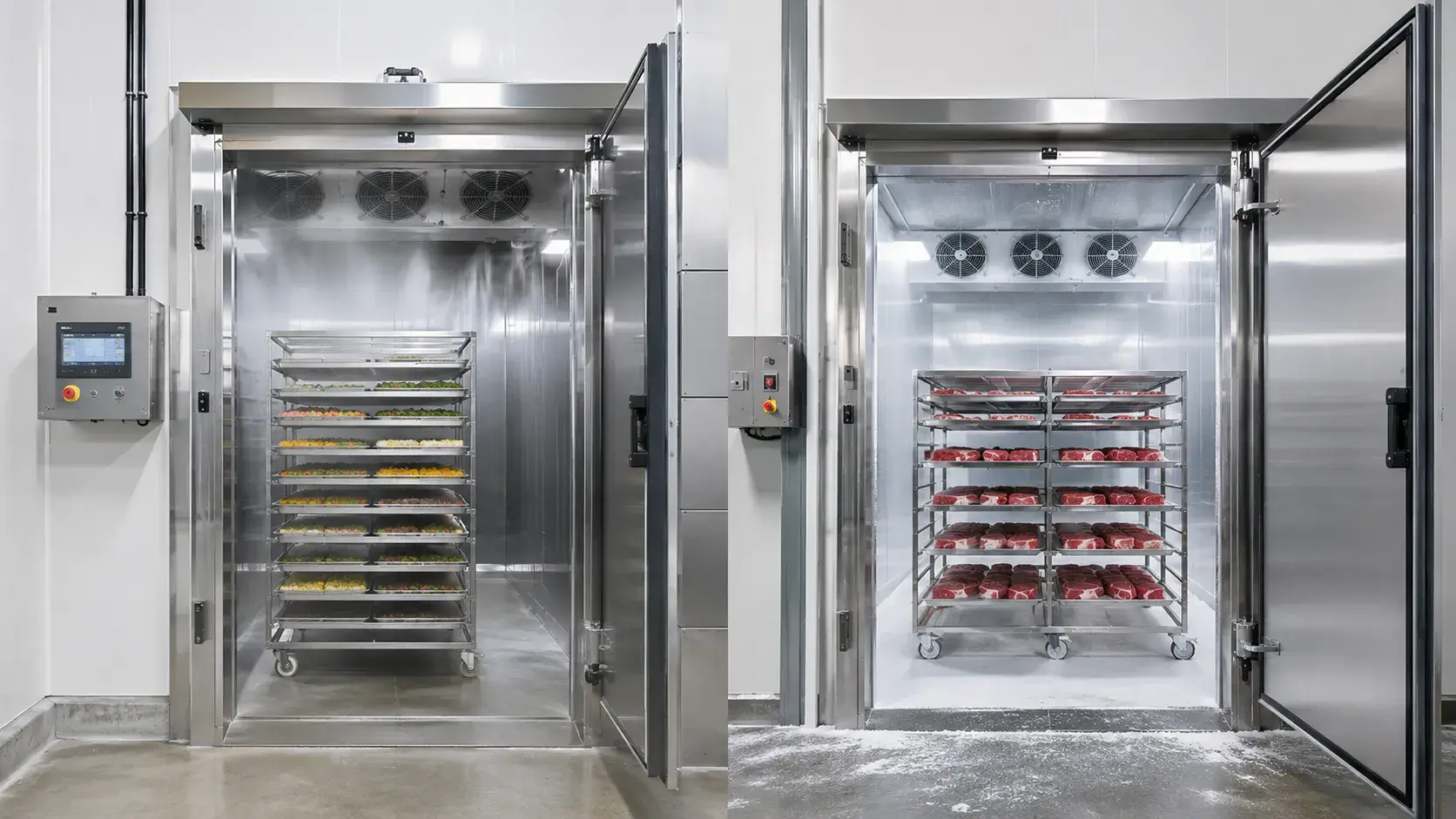
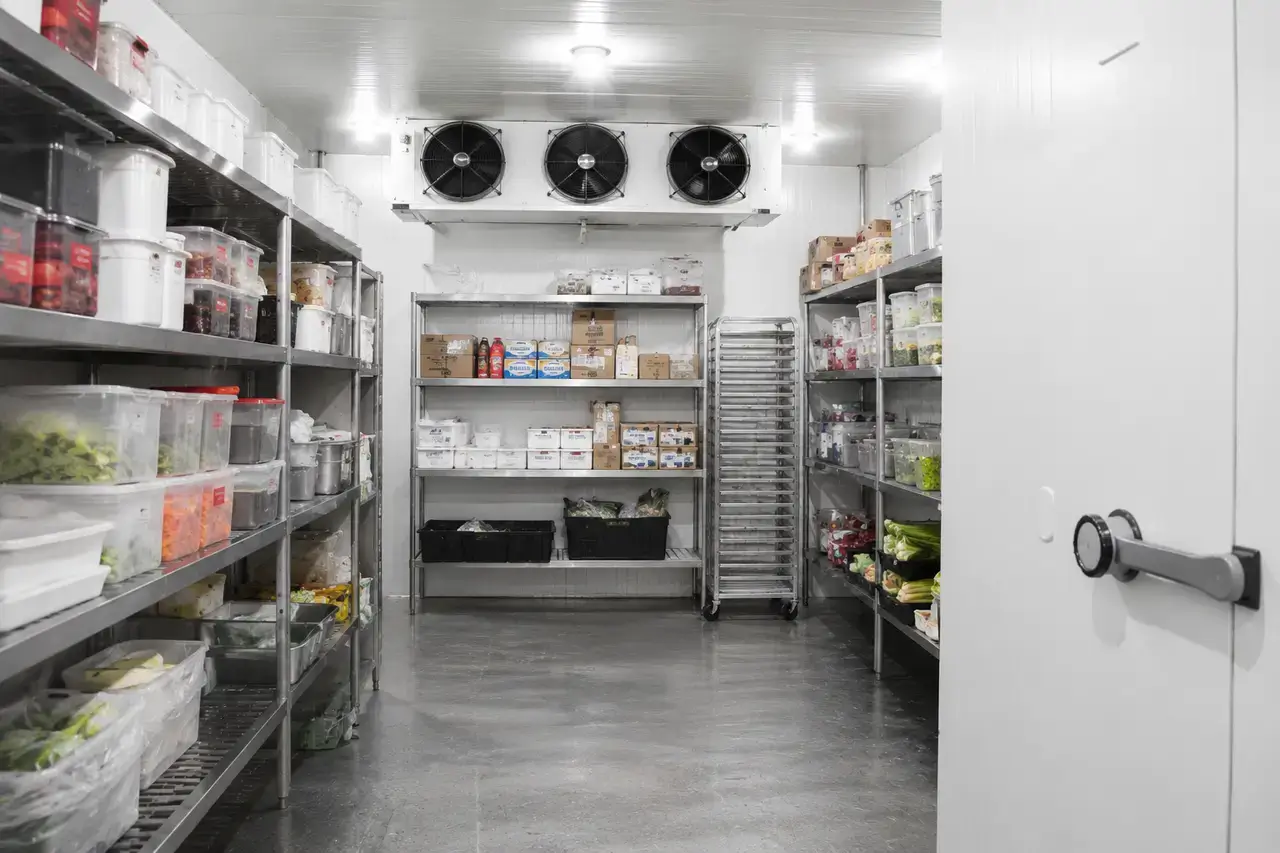
A walk-in cold room is the most common refrigeration solution used in commercial kitchens. Staff can enter the cold room directly to store or retrieve ingredients.
These systems are suitable for:
- Restaurants
- Hotels
- Catering kitchens
- Food preparation centers
Advantages include: - Large storage capacity
- Flexible shelving layout
- Easy inventory organization
Freezer Cold Room for Long-term Storage
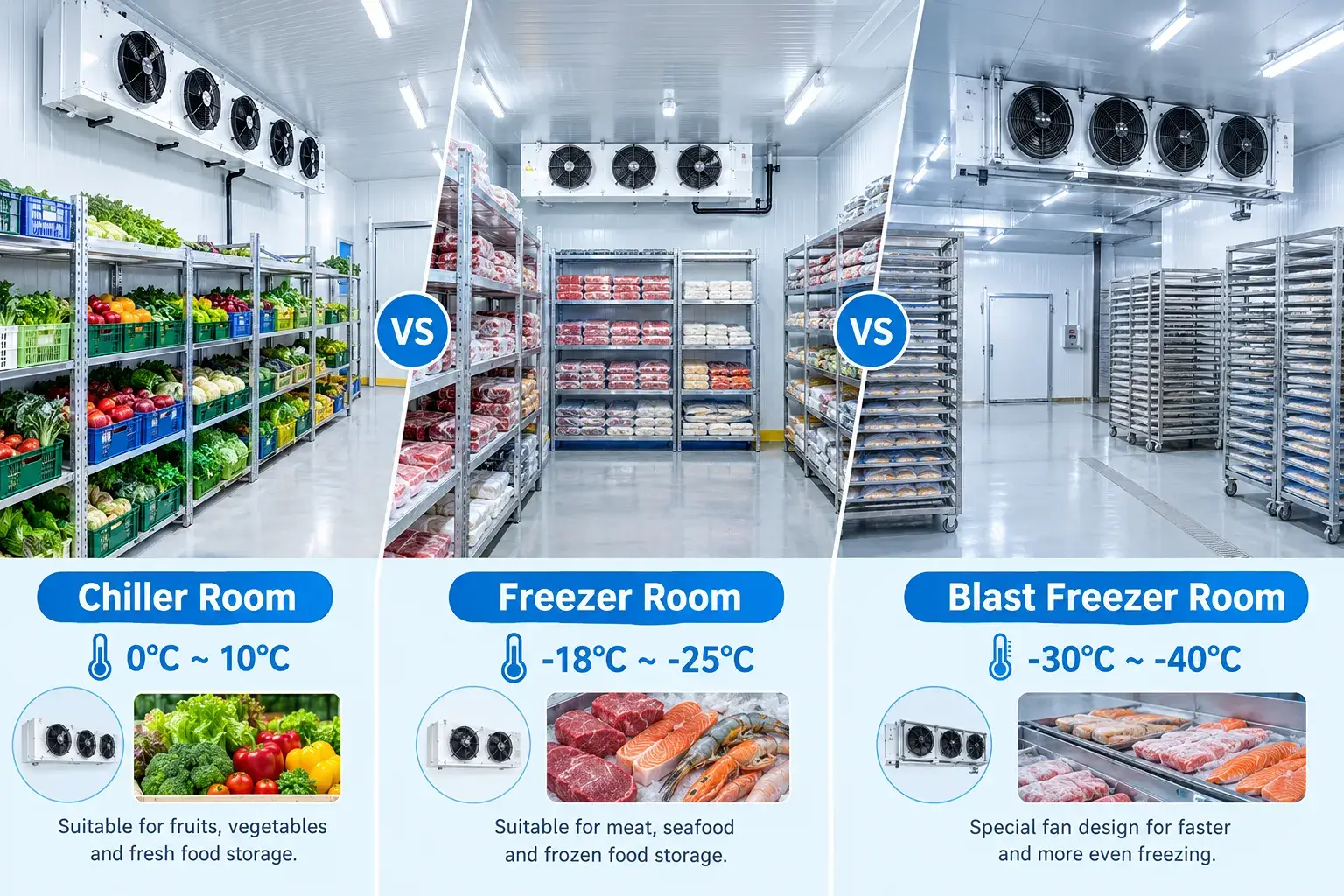
Freezer cold rooms are designed for frozen food storage at temperatures typically around -18°C or lower.
They are commonly used for:
- Meat storage
- Seafood storage
- Frozen prepared meals
- Long-term ingredient preservation
Frozen storage significantly extends shelf life and supports bulk purchasing strategies.
Chiller Cold Room for Fresh Ingredients
Chiller cold rooms maintain temperatures between 0°C and 4°C and are mainly used for short-term fresh food storage.
Typical applications include:
- Vegetables
- Fruits
- Dairy products
- Cooked foods
- Sauces and prepared ingredients
Chiller systems are essential for daily restaurant operations where rapid ingredient turnover is required.
Supermarket Cold Room Systems
A supermarket cold room is generally larger and more complex than restaurant refrigeration systems. Supermarkets store a wide variety of food categories with different temperature requirements.
These systems often include:
- Fresh produce storage
- Frozen food storage
- Dairy refrigeration
- Meat and seafood cold rooms
- Multi-temperature zoning systems
High stability and continuous operation are critical in supermarket applications.
Cold Storage Temperature Standards in Restaurant Environment
Chilled Storage Temperature (0–4°C)
Chilled storage is used for:
- Fresh vegetables
- Dairy products
- Prepared foods
- Fresh sauces
- Short-term ingredient storage
Maintaining temperatures between 0°C and 4°C helps slow bacterial growth while preserving freshness.
Frozen Storage Temperature (-18°C or Lower)
Frozen storage is primarily used for:
- Meat
- Seafood
- Frozen desserts
- Pre-prepared frozen meals
Commercial freezer rooms are typically maintained at -18°C or lower to ensure long-term preservation and food safety.
Temperature Zoning in Restaurant Cold Room
Modern restaurant cold rooms are often divided into multiple temperature zones, including:
- Chilled storage area
- Frozen storage area
- Temporary loading or buffer area
Zoning improves operational efficiency and prevents cross-temperature contamination.
Cold Room Design for Restaurants and Commercial Kitchens
Insulation Panel Structure and Energy Efficiency
Commercial cold rooms typically use:
- PU insulated panels
- PIR insulated panels
These insulation materials help: - Reduce cooling loss
- Improve energy efficiency
- Lower electricity costs
- Maintain stable temperatures
Proper insulation is one of the most important factors in cold room performance.
Layout Design for Kitchen Workflow Efficiency
Cold room placement should support efficient kitchen operations. Designers must consider:
- Ingredient receiving routes
- Kitchen workflow
- Preparation areas
- Loading and unloading access
An optimized layout reduces staff movement and improves productivity.
Refrigeration System Selection for Restaurant Cold Storage
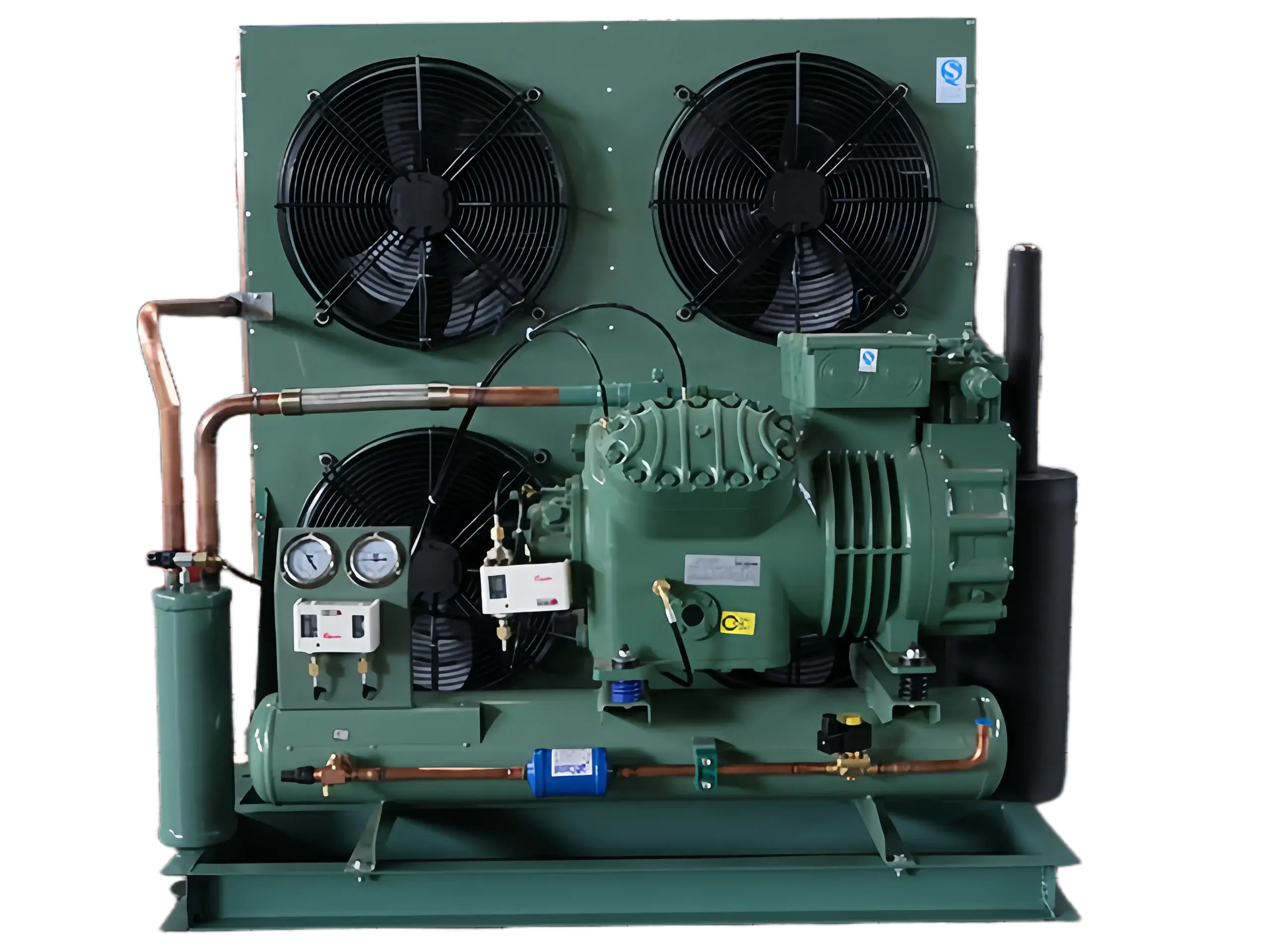
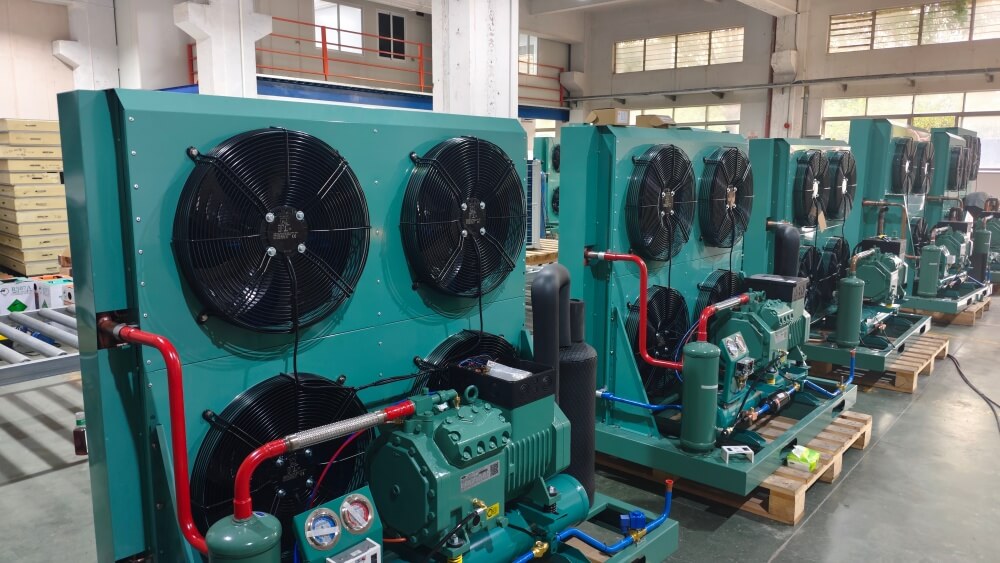
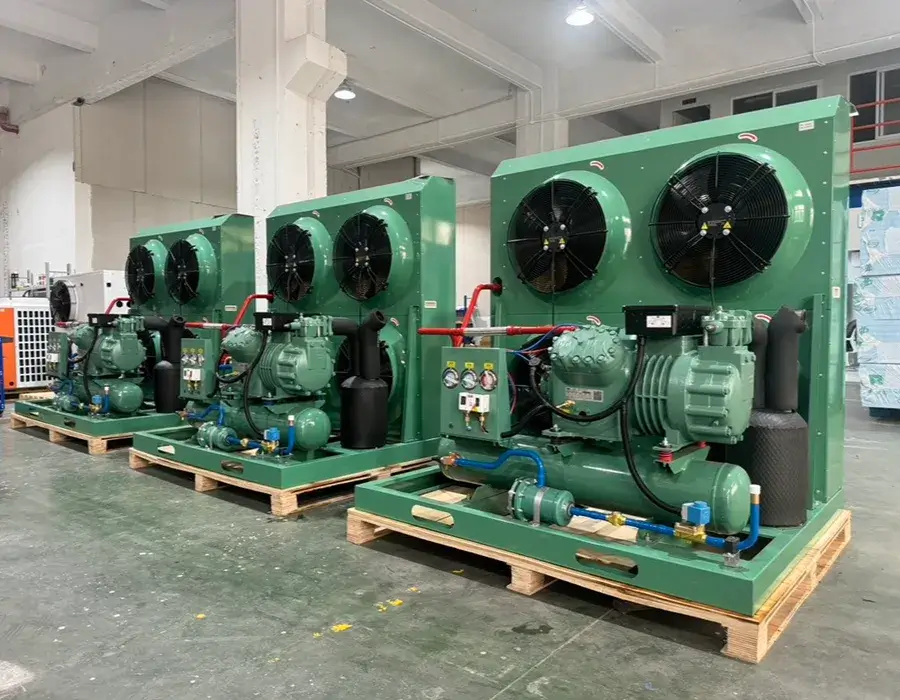
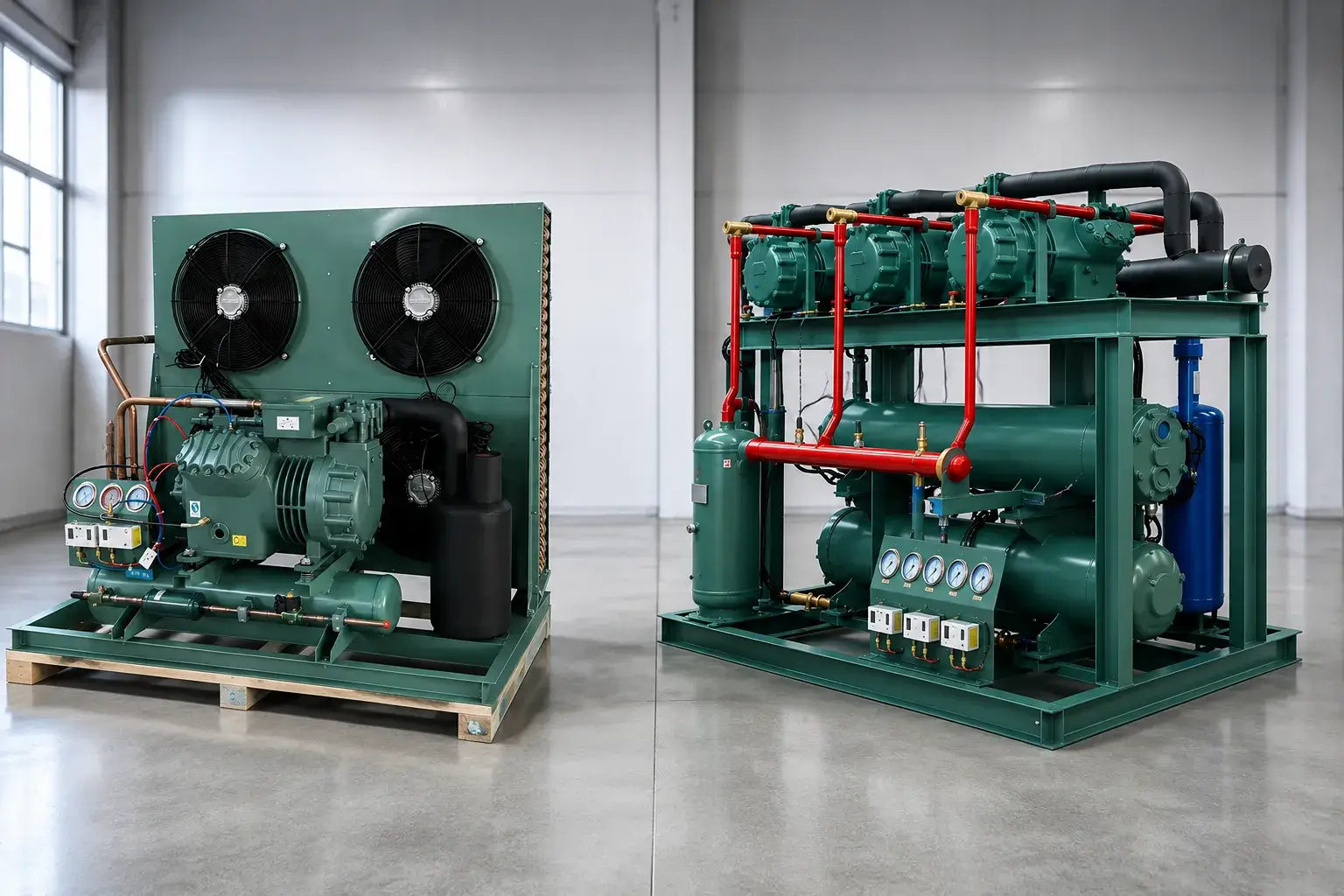
A commercial cold room refrigeration system usually includes:
- Compressors
- Evaporators
- Condensers
- Temperature controllers
Selecting the correct refrigeration capacity is critical for maintaining stable temperatures under high kitchen workloads.
Hygiene and Food Safety Design Standards
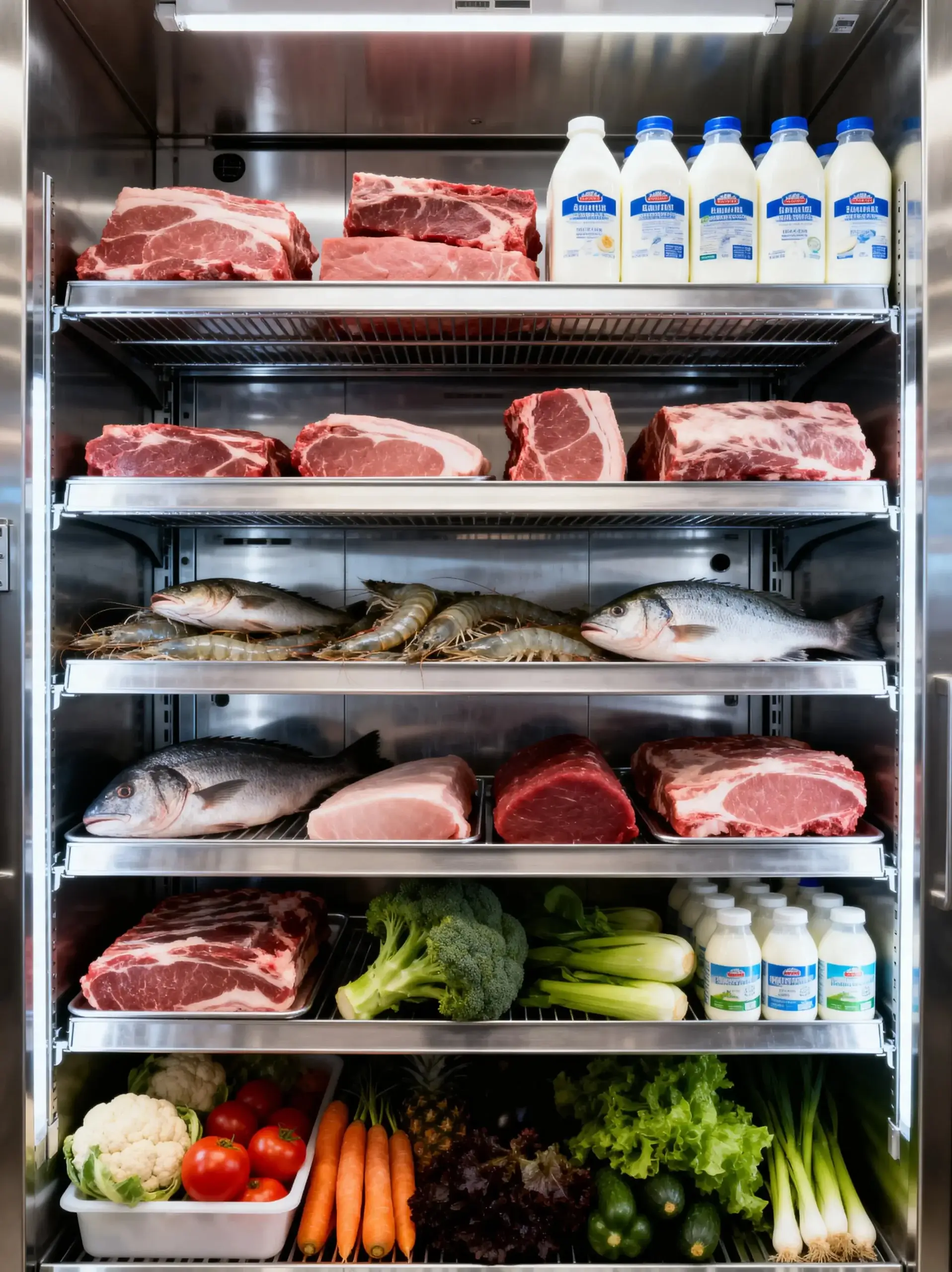
Restaurant cold rooms should be designed with hygiene in mind. Important considerations include:
- Easy-to-clean surfaces
- Anti-corrosion materials
- Moisture-resistant flooring
- Mold prevention design
- Food-grade structural materials
Proper sanitation design helps restaurants comply with food safety regulations.
Supermarket Cold Room vs Restaurant Cold Room
Storage Scale and Capacity Differences
Supermarket cold rooms are generally much larger and designed for high-volume storage, while restaurant cold rooms prioritize flexibility and fast ingredient access.
Temperature Stability Requirements
Supermarkets require long-term stable refrigeration for continuous operation, while restaurant cold rooms experience frequent door opening during busy kitchen hours.
This means restaurant systems often require faster temperature recovery performance.
Inventory Turnover Speed
Restaurants usually have faster inventory turnover because ingredients are used daily in food preparation. Supermarkets often store products for longer periods depending on product category.
Cost Factors of Commercial Cold Room for Restaurant
Size and Capacity Requirements
The larger the cold room, the higher the installation and operating cost. Capacity planning should match actual kitchen demand to avoid unnecessary energy consumption.
Temperature Range and System Type
Frozen storage systems are generally more expensive than chilled storage systems because they require:
- Lower operating temperatures
- More powerful refrigeration equipment
- Higher insulation performance
Dual-temperature cold rooms also increase system complexity and cost.
Installation and Maintenance Costs

Commercial cold room costs include:
- Refrigeration equipment
- Insulated panels
- Electrical installation
- Labor
- Maintenance
- Energy consumption
Long-term operating efficiency should be considered alongside initial installation cost.
People Also Ask (PAA)
What size walk-in cooler does a restaurant need?
The required size depends on:
- Restaurant seating capacity
- Daily ingredient consumption
- Menu complexity
- Delivery frequency
Most commercial kitchens calculate cold room size based on projected storage volume and inventory turnover.
How do supermarkets keep food cold?
Supermarkets use large-scale supermarket cold room systems combined with:
- Multi-temperature zones
- Display refrigeration equipment
- Central refrigeration systems
- 24-hour temperature monitoring
What type of cold storage is best for restaurants?
For most restaurants, the best solution is usually:
- Walk-in cold room
- Combined chiller and freezer system
- Dual-temperature cold storage design
The final configuration depends on menu type and operational scale.
How much does a commercial cold room cost?
Commercial cold room costs depend on:
- Room size
- Temperature range
- Refrigeration system type
- Insulation materials
- Installation complexity
Freezer rooms and dual-temperature systems generally cost more than standard chiller rooms.
Conclusion: Choosing the Right Cold Room for Restaurant Operations
Importance of Reliable Restaurant Cold Storage System
A reliable restaurant cold storage system is essential for food safety, ingredient preservation, and efficient kitchen operations. Proper refrigeration helps reduce waste, maintain food quality, and improve workflow efficiency.
Selecting the Right Cold Room Type
Different food service businesses require different refrigeration solutions:
- Small restaurants → walk-in cold room
- Large commercial kitchens → dual-temperature systems
- Supermarkets → large supermarket cold room systems
Choosing the correct configuration ensures long-term operational efficiency.
Improving Efficiency with Professional Cold Storage Design
A professionally designed cold room can:
- Reduce product loss
- Improve kitchen productivity
- Lower energy consumption
- Enhance food safety compliance
For restaurants, hotels, and supermarkets, investing in an efficient cold storage system is a key step toward improving operational performance and delivering consistent food quality.