Introduction
The catering industry is becoming increasingly centralized and large-scale. Whether serving luxury hotels, airline catering services, corporate cafeterias, large events, or institutional food programs, operators are under constant pressure to deliver safe, consistent meals across multiple locations and tight delivery schedules.
As production becomes more centralized, food often travels farther and passes through more handling points before reaching consumers. In this environment, cold chain management is no longer just a storage requirement—it is a critical operational system that supports food safety, product quality, and business continuity.
In many real-world catering operations, food safety issues rarely originate in the kitchen itself. More often, problems arise during storage, transportation, loading, unloading, or temporary holding periods when temperature control becomes unstable. A few hours of temperature abuse can compromise an entire batch of prepared food.
Today, catering cold storage has evolved from a back-of-house facility into an integral part of the catering process. Its performance directly affects inventory management, logistics efficiency, compliance, and customer satisfaction.
This article explores how catering cold storage systems work, the different solutions used across hotels, airline catering, and event catering, as well as the operational challenges and best practices that help maintain food safety throughout the supply chain.
What Is Catering Cold Storage and Why It Matters
A Critical Part of Modern Catering Operations
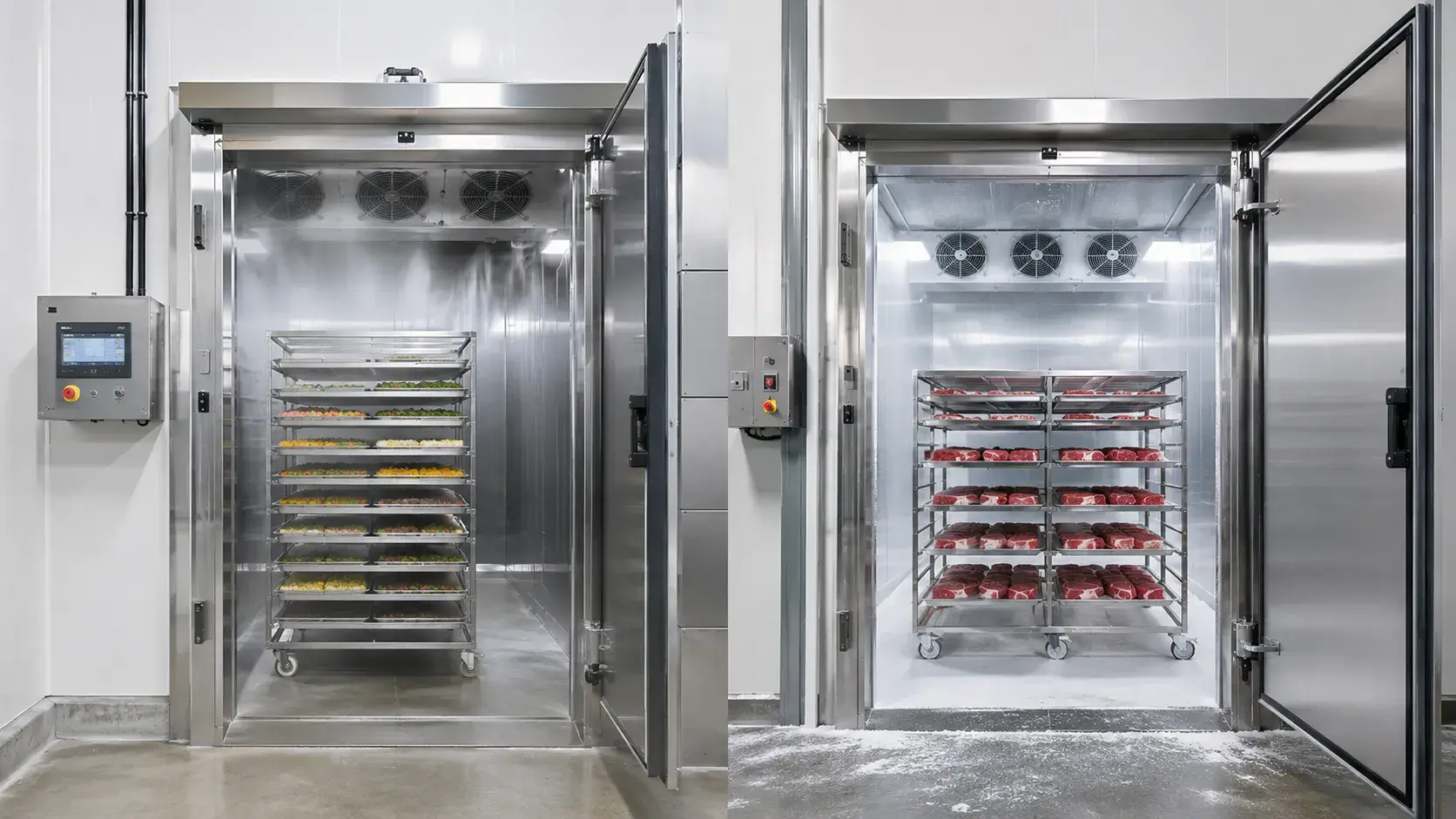
Catering cold storage refers to temperature-controlled facilities designed specifically to support food preparation, storage, and distribution within catering supply chains.
Unlike standard commercial refrigerators, catering cold storage systems are designed to handle larger volumes, higher traffic, and more demanding logistics requirements. Common solutions include:
- Walk-in coolers and freezers
- Portable cold rooms
- Refrigerated containers
- Centralized cold storage warehouses
The primary objective is to maintain food within safe temperature ranges while supporting efficient workflow and high-volume operations.
Supporting Centralized Food Production
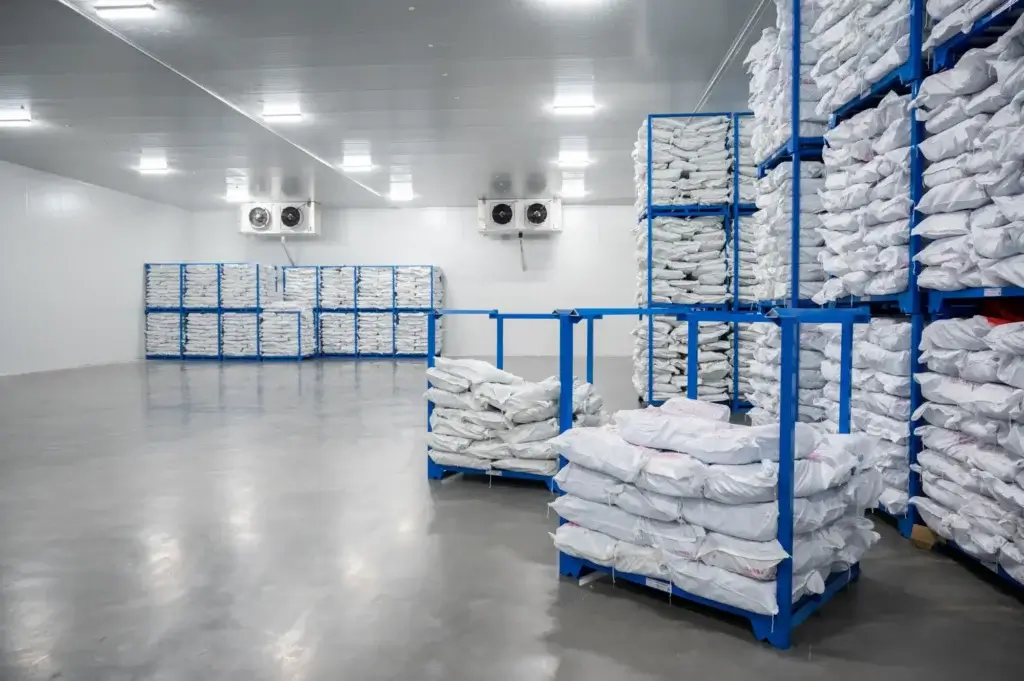
Many catering companies now operate centralized kitchens that prepare thousands of meals daily for multiple destinations.
This model offers significant advantages:
- Standardized food quality
- Lower labor costs
- Improved inventory control
- Higher production efficiency
However, it also creates a greater dependence on cold chain infrastructure. Once food leaves the production line, temperature control becomes the main factor determining whether quality and safety can be maintained until service.
Food Safety and Regulatory Compliance
Modern food safety systems rely heavily on temperature management.
Catering cold storage helps businesses:
- Meet HACCP requirements
- Reduce microbial growth risks
- Maintain ingredient quality
- Support traceability and auditing
- Comply with local food safety regulations
Without reliable cold storage, large-scale catering operations become significantly more vulnerable to food safety incidents.
Key Types of Catering Cold Storage Solutions
Hotel Cold Room Systems
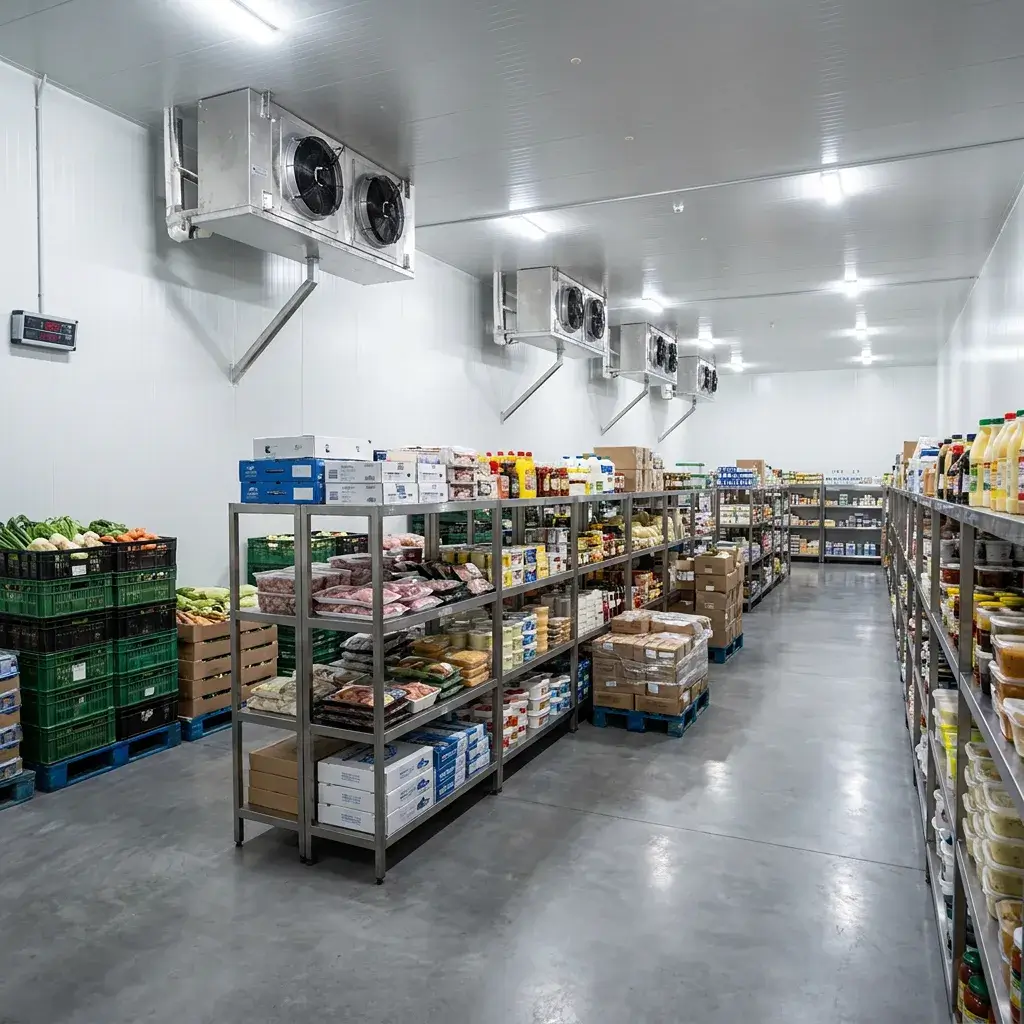
Hotels often manage a wide variety of ingredients, from fresh seafood and meat to dairy products, vegetables, desserts, and prepared foods.
To reduce contamination risks and improve inventory management, hotel cold rooms are typically divided into dedicated zones:
- Meat storage
- Seafood storage
- Vegetable storage
- Dairy storage
- Prepared food storage
This zoning approach improves food safety while supporting efficient kitchen operations.
Because hotel kitchens often receive daily deliveries and maintain diverse menus, cold storage systems must balance storage capacity with accessibility and rapid stock rotation.
Event Catering Cold Storage
Event catering presents a unique challenge.
Food must often be transported to temporary venues where permanent refrigeration infrastructure may not exist.
Common examples include:
- Weddings
- Trade shows
- Music festivals
- Sports events
- Corporate gatherings
In these situations, portable cold rooms provide temporary temperature-controlled storage close to the point of service.
Unlike permanent facilities, event cold storage solutions prioritize:
- Fast deployment
- Mobility
- Flexible capacity
- Easy installation
For short-duration events, operational flexibility is often more important than long-term storage efficiency.
Airline Catering Cold Chain Systems
Airline catering operates under some of the strictest food safety requirements in the catering industry.
A typical process includes:
Central Kitchen → Cold Storage → Airport Distribution → Aircraft Loading
Unlike many catering operations, airline meals may remain in controlled storage for extended periods before being served.
This requires strict management of:
- Temperature stability
- Time-sensitive handling
- Batch traceability
- Regulatory compliance
Even minor deviations can affect food safety, passenger experience, and airline operational standards.
Refrigerated Containers for Catering Logistics
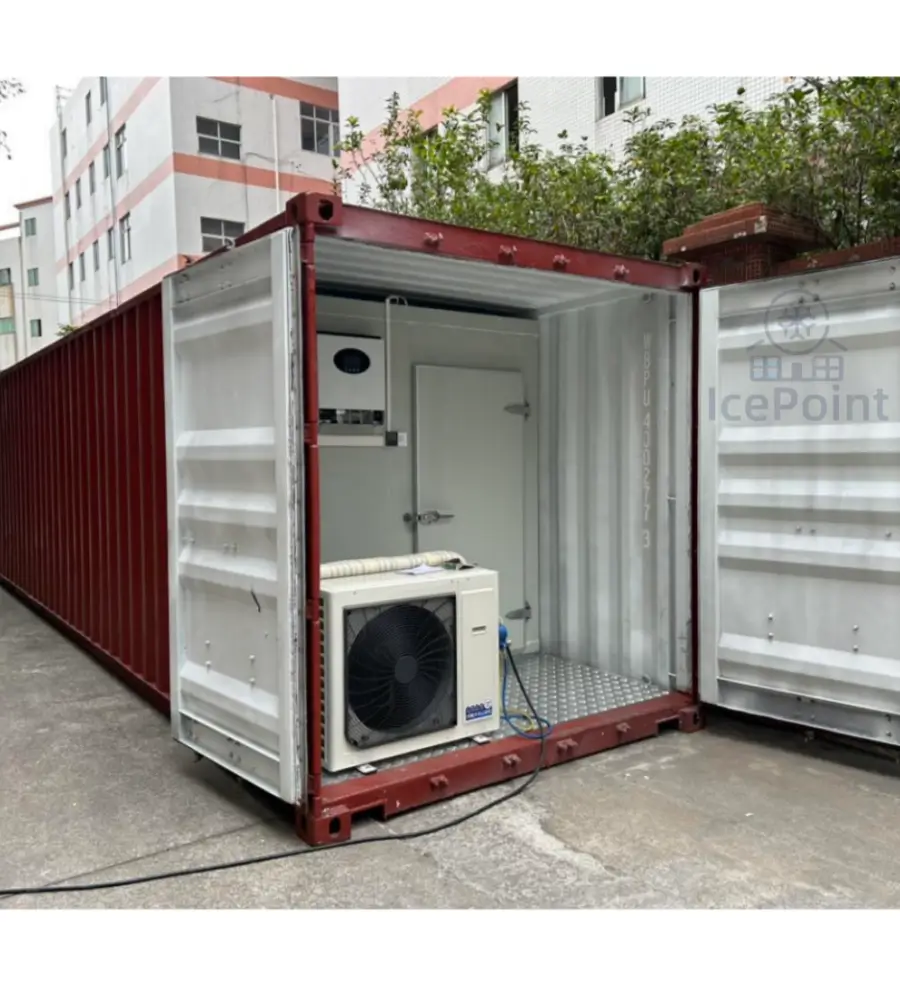
Refrigerated containers provide a flexible solution for transporting and temporarily storing large food volumes.
They are commonly used for:
- Long-distance catering deliveries
- Large-scale events
- Emergency cold storage
- Temporary warehouse expansion
Their mobility and independent refrigeration capabilities make them particularly useful when demand fluctuates or fixed infrastructure is unavailable.
Temperature Control Standards in Catering Cold Storage
Recommended Storage Temperatures
Temperature requirements vary depending on food type and storage duration.
Typical standards include:
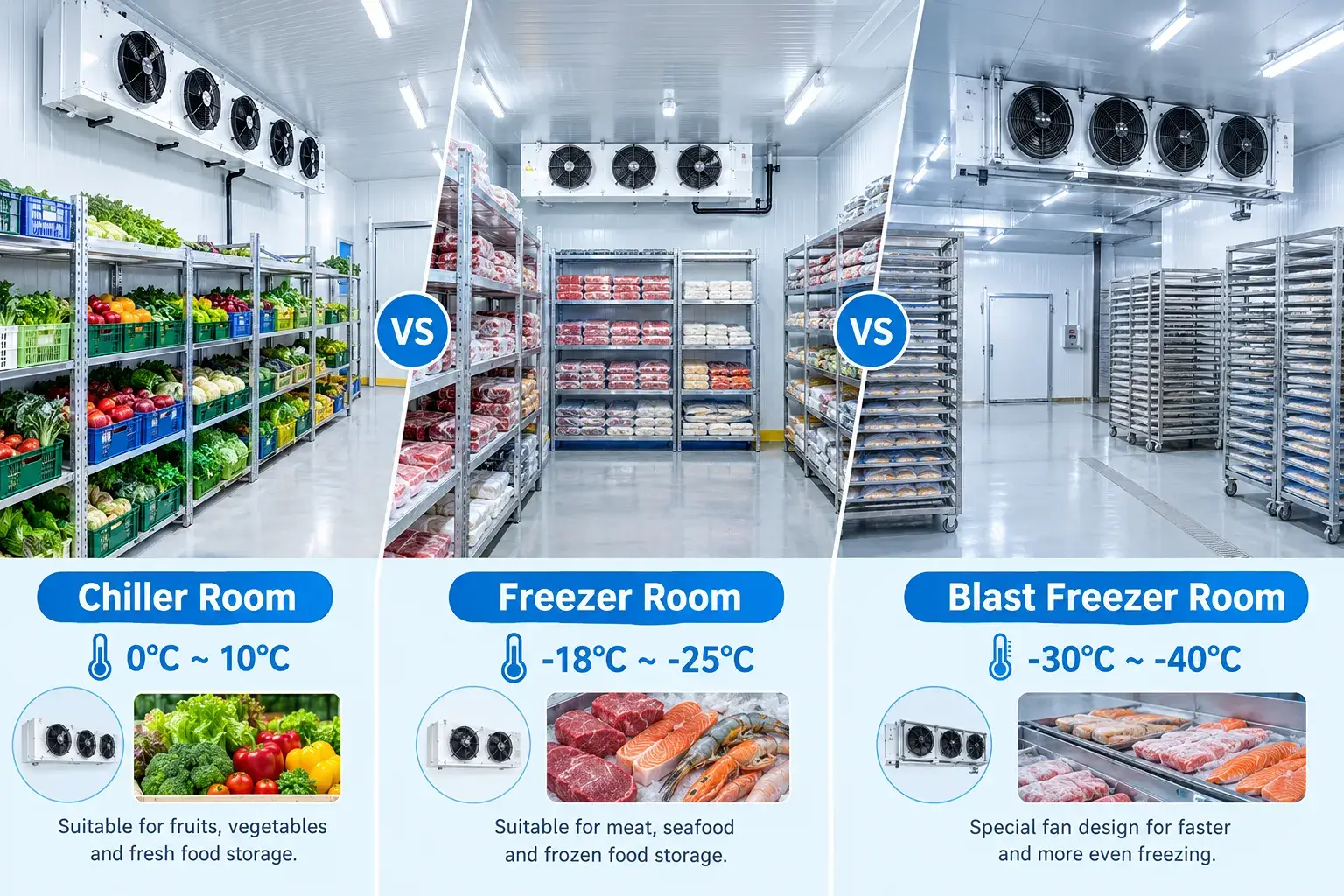
Chilled Foods
0°C to 4°C
Used for:
- Fresh ingredients
- Prepared meals
- Dairy products
- Salads
- Desserts
Frozen Foods
Below -18°C
Used for:
- Frozen meals
- Frozen meat products
- Long-term ingredient storage
High-risk foods such as seafood, cooked dishes, and ready-to-eat meals often require more stringent monitoring due to their susceptibility to bacterial growth.
Regulatory and Compliance Requirements
Most commercial catering operations operate under HACCP-based food safety systems.
Key requirements often include:
- Continuous temperature monitoring
- Temperature record retention
- Corrective action procedures
- Product traceability systems
In many regions, temperature records must be available during inspections or audits.
The ability to demonstrate cold chain compliance has become a basic operational requirement rather than a competitive advantage.
Operational Challenges in Catering Cold Storage
Temperature Stability in High-Frequency Environments
One of the biggest challenges in catering facilities is maintaining stable temperatures despite constant activity.
Common causes of temperature fluctuation include:
- Frequent door openings
- High staff traffic
- Continuous loading and unloading
- Peak service periods
The issue is often not achieving target temperature but maintaining it consistently throughout the day.
Poor temperature recovery can gradually compromise food quality and increase safety risks.
Complexity of Catering Logistics
Large catering operations often involve multiple transfer points.
For example:
Production Kitchen → Storage Facility → Delivery Vehicle → Temporary Holding Area → Service Point
Each transfer introduces potential temperature exposure.
The more complex the logistics network becomes, the greater the importance of coordinated cold chain management.
Equipment Reliability and Risk Management
Cold storage systems often operate continuously under heavy workloads.
Potential risks include:
- Refrigeration failures
- Power outages
- Compressor breakdowns
- Monitoring system malfunctions
For large catering operations, a refrigeration failure can affect thousands of meals and create significant financial losses.
As a result, backup systems and contingency plans are essential.
Portable Cold Rooms and Flexible Catering Systems
Why Portable Cold Rooms Are Growing in Popularity
Temporary catering environments require flexible refrigeration solutions.
Portable cold rooms allow operators to create temperature-controlled storage almost anywhere.
They are increasingly used for:
- Outdoor weddings
- Music festivals
- Sporting events
- Emergency catering operations
Deployment can often be completed within a few hours, providing immediate cold storage capacity where permanent facilities do not exist.
Advantages Compared with Permanent Facilities
Portable systems offer several benefits:
Operational Flexibility
Capacity can be increased or reduced based on event requirements.
Lower Project Costs
Temporary projects avoid the expense of constructing permanent infrastructure.
Scalability
Multiple units can be added as demand grows.
For event-driven catering businesses, these advantages often outweigh the efficiency benefits of fixed cold storage facilities.
Optimising Airline Catering Cold Chain Efficiency
Reducing Temperature Loss
Airline catering facilities frequently experience high traffic volumes and rapid loading operations.
To reduce temperature loss, operators often use:
- Air curtains
- High-speed insulated doors
- Dedicated loading zones
- Staging areas with controlled temperatures
These measures help maintain environmental stability during peak operating periods.
Process Standardization
Successful airline catering operations rely on strict procedural control.
A typical workflow includes:
Meal Preparation → Chilled Storage → Flight Assembly → Airport Transport → Aircraft Loading
Each stage has defined temperature and time limits.
The goal is to minimize exposure and eliminate unnecessary handling.
Standardized procedures reduce variability and improve food safety performance.
Technology and Monitoring in Catering Cold Storage
Real-Time Temperature Monitoring
Modern cold storage systems increasingly use connected monitoring technologies.
These systems may include:
- IoT temperature sensors
- Wireless data loggers
- Cloud-based dashboards
- Mobile alert systems
Continuous monitoring allows operators to identify problems before they escalate into food safety incidents.
Data Traceability and Compliance
Temperature records provide valuable operational insights.
They support:
- Regulatory audits
- Customer requirements
- Internal quality control
- Incident investigations
For large catering companies, traceability has become a key component of risk management and brand protection.
Best Practices for Catering Cold Storage Management
Storage Layout and Workflow Design
Efficient cold storage begins with proper organization.
Recommended practices include:
- FIFO (First In, First Out)
- FEFO (First Expired, First Out)
- Separate storage for raw and cooked foods
- Clear traffic flow design
Well-planned layouts reduce handling time and minimize contamination risks.
Hygiene and Preventive Maintenance
Routine maintenance is critical for both food safety and system reliability.
Best practices include:
- Scheduled cleaning and sanitation
- Mold prevention programs
- Equipment inspections
- Refrigeration system servicing
Preventive maintenance is generally far less costly than emergency repairs or product loss.
Emergency Preparedness
Every catering operation should have contingency plans for cold chain disruptions.
Typical measures include:
- Backup generators
- UPS systems
- Emergency transfer procedures
- Temperature incident response protocols
Preparation reduces downtime and protects inventory during unexpected events.
Frequently Asked Questions
What temperature should catering cold storage be set at?
Most chilled catering foods should be stored between 0°C and 4°C, while frozen products should remain below -18°C.
What is a portable cold room used for in catering?
Portable cold rooms provide temporary refrigeration for events, outdoor catering operations, and locations without permanent cold storage facilities.
Why is cold chain important in airline catering?
Airline meals must remain safe and compliant throughout extended storage, transportation, and aircraft loading processes. Stable temperature control is essential for maintaining food safety.
How do catering companies maintain food safety outdoors?
They typically use portable cold rooms, insulated transport systems, minimized exposure times, and continuous temperature monitoring.
What are the biggest risks in catering cold chain logistics?
Common risks include temperature fluctuations, transportation delays, equipment failures, and improper handling during loading and unloading.
Conclusion
Catering cold storage is no longer simply a refrigeration solution. It is a critical operational system that supports food safety, logistics efficiency, inventory management, and regulatory compliance.
Whether serving hotel kitchens, airline catering facilities, or large-scale events, the success of a catering cold chain depends on three factors:
- Stable temperature control
- Efficient operational processes
- Reliable refrigeration infrastructure
When these elements work together, businesses can reduce risk, improve consistency, and deliver safe, high-quality food at scale.
Industry Outlook
The catering industry continues to move toward larger production volumes, broader distribution networks, and higher food safety standards.
Several trends are shaping the future of catering cold storage:
- Growing adoption of portable cold rooms for event catering
- Expansion of airline-grade cold chain practices into mainstream catering operations
- Increased use of IoT monitoring and cloud-based management platforms
- Greater emphasis on traceability and compliance documentation
- Integration of cold storage into broader supply chain management systems
As catering operations become more complex, cold storage will increasingly be viewed not as equipment, but as a strategic component of the entire food service ecosystem.