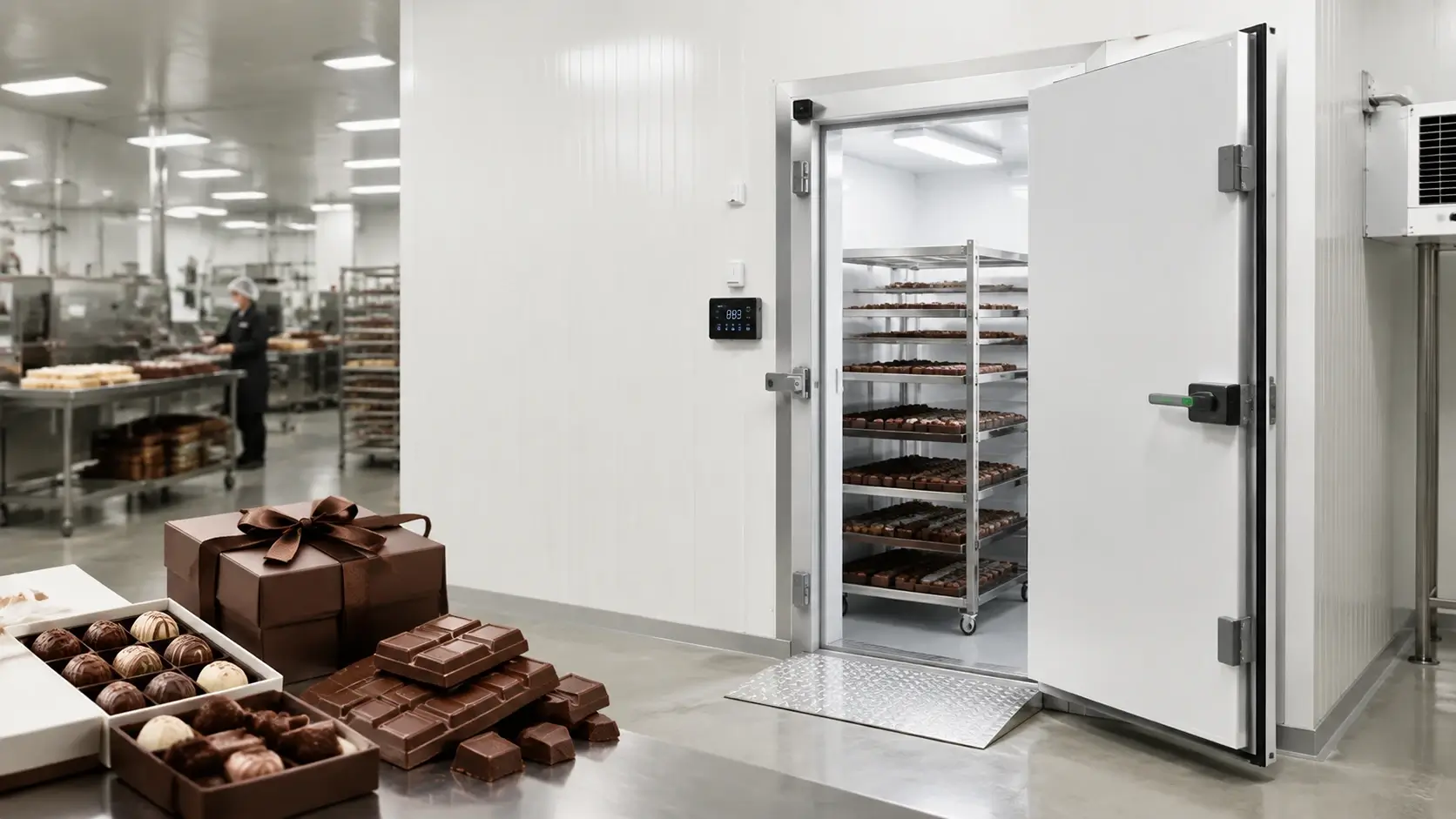
Introduction
Chocolate is one of the most temperature-sensitive products in the food industry. Unlike frozen foods that require low temperatures primarily for preservation, chocolate storage focuses on maintaining a stable environment that protects appearance, texture, flavor, and product consistency.
Even minor fluctuations in temperature or humidity can result in fat bloom, sugar bloom, surface condensation, and quality deterioration. These issues not only affect product presentation but may also lead to customer complaints, returns, and financial losses.
As chocolate manufacturers expand into international markets and premium confectionery products gain popularity, professionally designed chocolate cold rooms have become an essential part of modern supply chains.
This article explores the key design considerations, refrigeration systems, and engineering solutions used in chocolate cold storage facilities.
Common Challenges in Chocolate Storage
Chocolate quality can be compromised at any stage of storage and distribution if environmental conditions are not properly controlled.
The most common challenges include:
Fat Bloom
Fat bloom appears as a white or gray film on the chocolate surface. It occurs when cocoa butter crystals become unstable due to temperature fluctuations and migrate to the surface.
Sugar Bloom
Sugar bloom is caused by moisture exposure. When condensation forms on the chocolate surface, sugars dissolve and recrystallize after drying, leaving a white powdery appearance.
Softening and Deformation
Temperatures above the recommended storage range can soften chocolate and affect its shape, texture, and packaging integrity.
Odor Absorption
Chocolate easily absorbs surrounding odors, making storage segregation and proper ventilation important considerations in warehouse design.
Most of these problems are not caused by production defects. They are typically linked to inadequate storage environments and poor temperature control.
Why Standard Cold Rooms Are Not Suitable for Chocolate
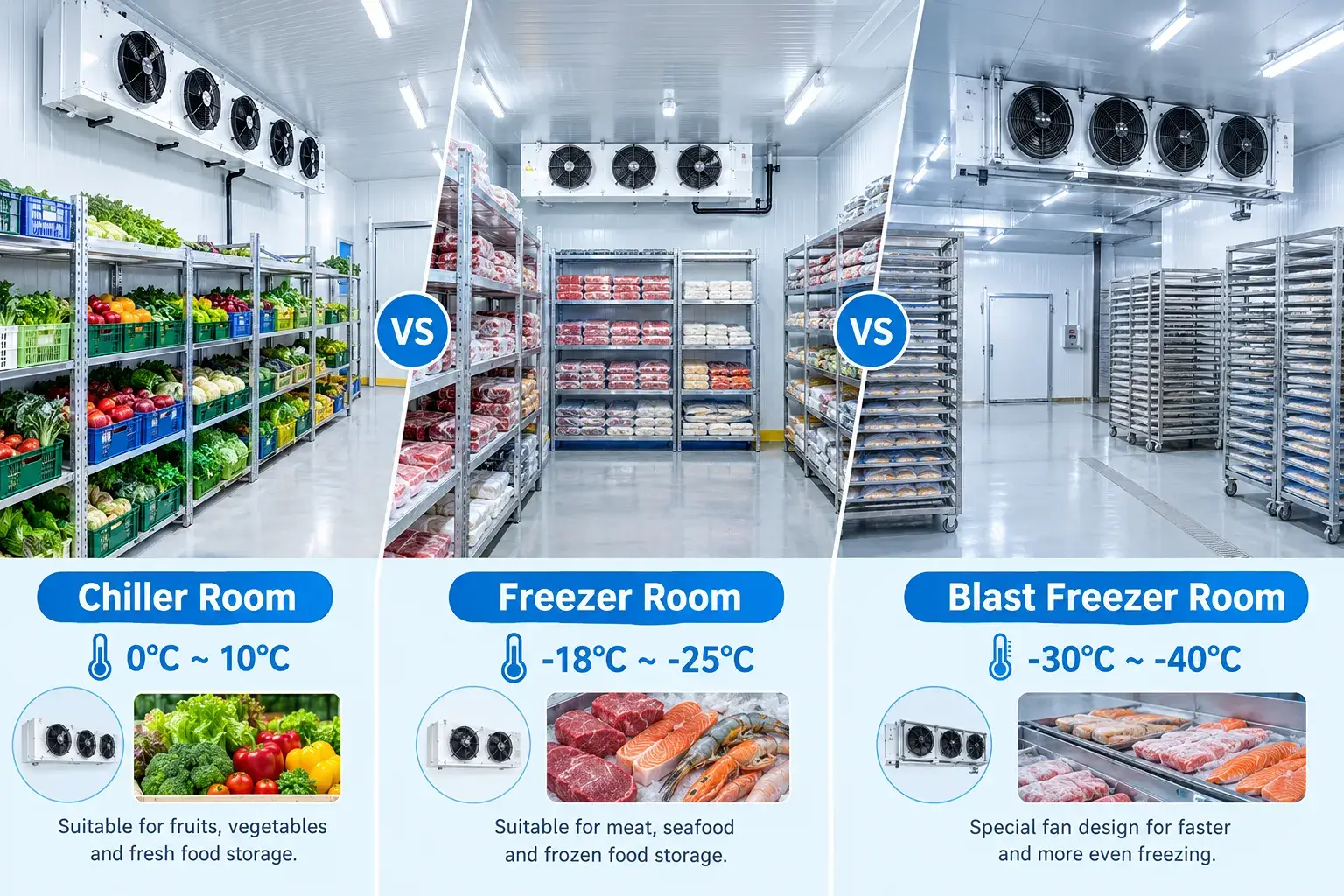
Many food warehouses are designed for general cold storage applications. However, chocolate has unique environmental requirements that differ significantly from meat, seafood, dairy products, or frozen foods.
A standard cold room may create several risks:
- Excessive cooling temperatures
- Large temperature fluctuations
- High humidity levels
- Condensation during defrost cycles
- Uneven airflow distribution
For chocolate storage, environmental stability is often more important than achieving low temperatures.
A dedicated chocolate cold room should be designed specifically to maintain stable temperature, humidity, and airflow conditions throughout the storage period.
Ideal Storage Conditions for Chocolate
Temperature Requirements
The recommended storage temperature for most chocolate products is:
15°C to 18°C
Maintaining temperatures within this range helps preserve cocoa butter stability and reduces the risk of bloom formation.
Best practices include:
- Maintain temperature between 15°C and 18°C
- Avoid temperatures above 20°C
- Avoid freezing
- Limit temperature fluctuations to within ±1°C
White chocolate and premium artisan products are generally more sensitive to temperature changes and require stricter control.
Humidity Requirements
Humidity control plays an equally important role in chocolate storage.
Recommended relative humidity:
45% to 50% RH
Excessive humidity can lead to:
- Sugar bloom
- Surface condensation
- Packaging damage
- Product quality degradation
In tropical and coastal regions, dedicated dehumidification systems are often required to maintain stable humidity levels.
Chocolate Cold Room Design Requirements
Insulation System
High-quality insulation is the foundation of temperature stability.
Common solutions include:
- PIR insulated panels
- PU insulated panels
- Thermal bridge reduction design
- Airtight door systems
For chocolate cold rooms, insulation thickness is typically selected based on ambient conditions and project location.
Airflow Design
Airflow distribution directly affects product quality.
An effective chocolate cold room should provide:
- Uniform air circulation
- Low air velocity
- Consistent temperature distribution
- Reduced risk of surface drying
Proper evaporator selection and air throw design are critical to achieving these objectives.
Anti-Condensation Design
Condensation is one of the leading causes of sugar bloom.
To minimize moisture risks, chocolate warehouses often include:
- Temperature buffer rooms
- Air curtains
- Heated door frames
- Controlled loading areas
These features help prevent sudden environmental changes during product handling.
Warehouse Layout Planning
Large chocolate storage facilities are typically divided into:
Raw Material Storage
For cocoa beans, sugar, milk powder, and packaging materials.
Semi-Finished Product Storage
For products awaiting further processing or packaging.
Finished Goods Storage
For packaged products awaiting shipment.
Dispatch Area
For order preparation and loading operations.
Proper zoning improves both operational efficiency and product protection.
Refrigeration System Selection for Chocolate Cold Rooms
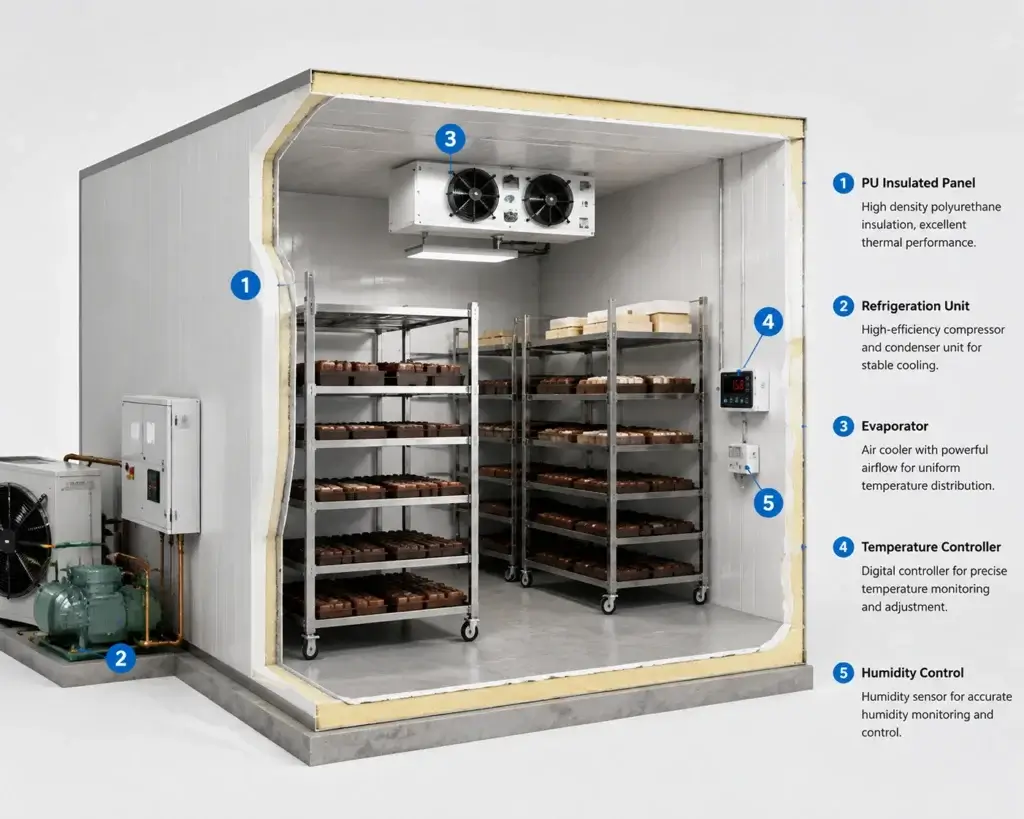
The refrigeration system is the core component of any chocolate storage facility.
Unlike frozen storage applications, chocolate warehouses require precise temperature control and long-term operational stability.
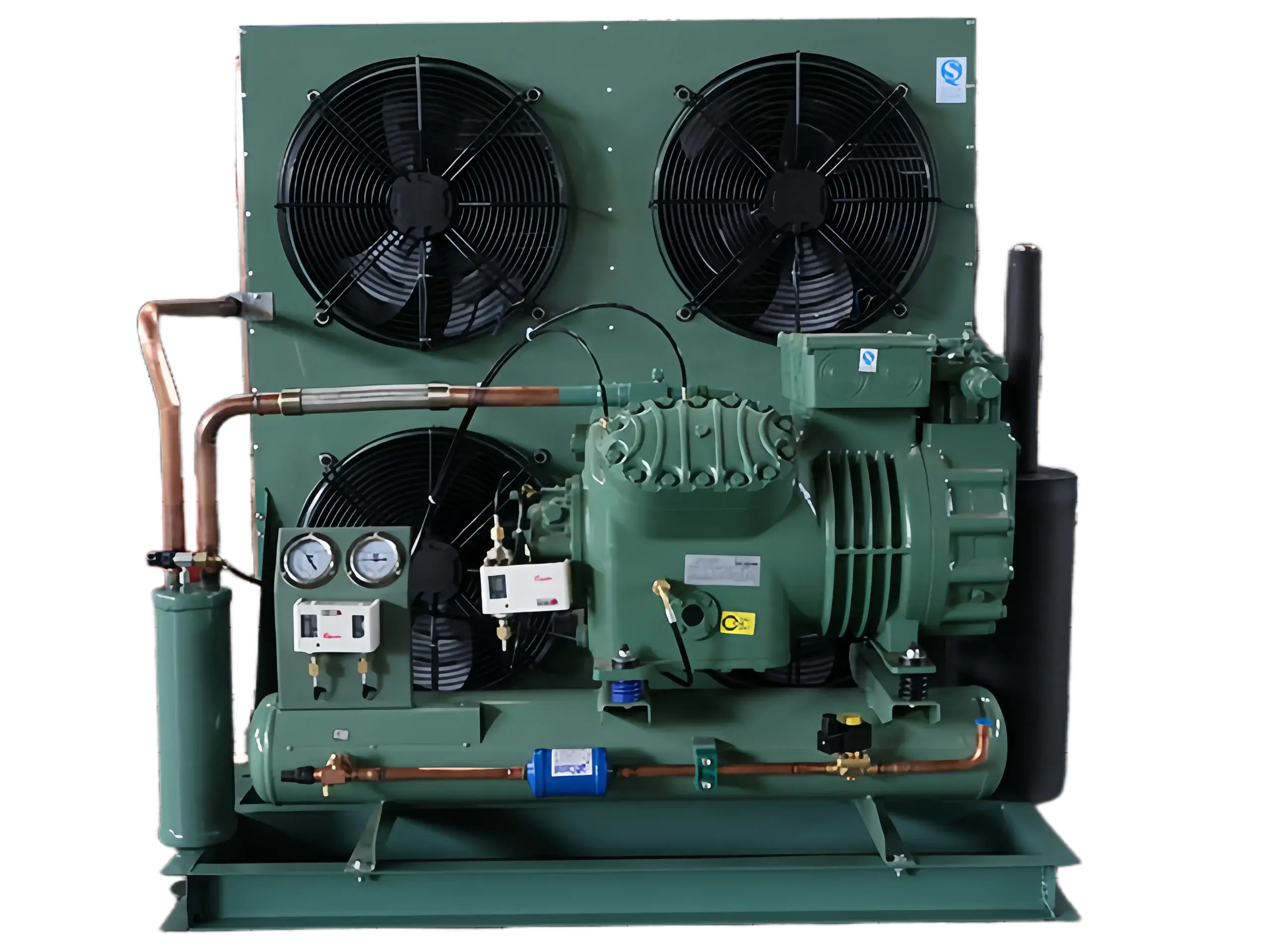
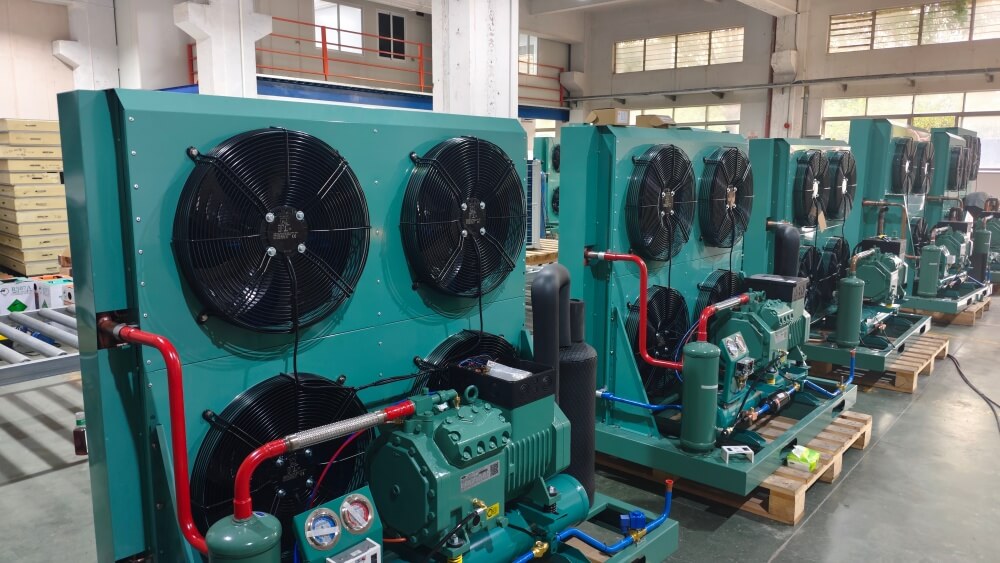
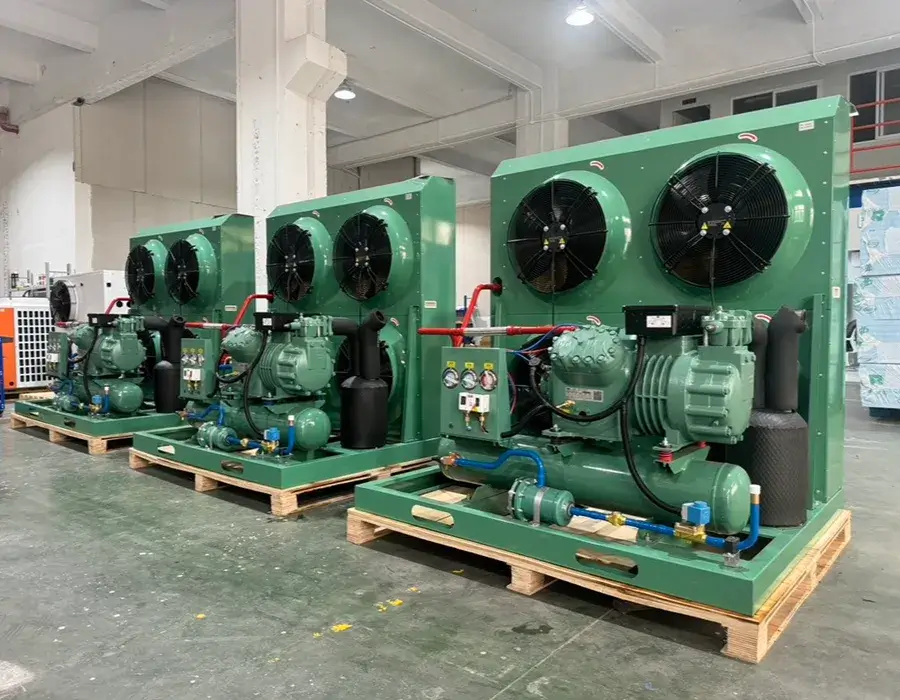
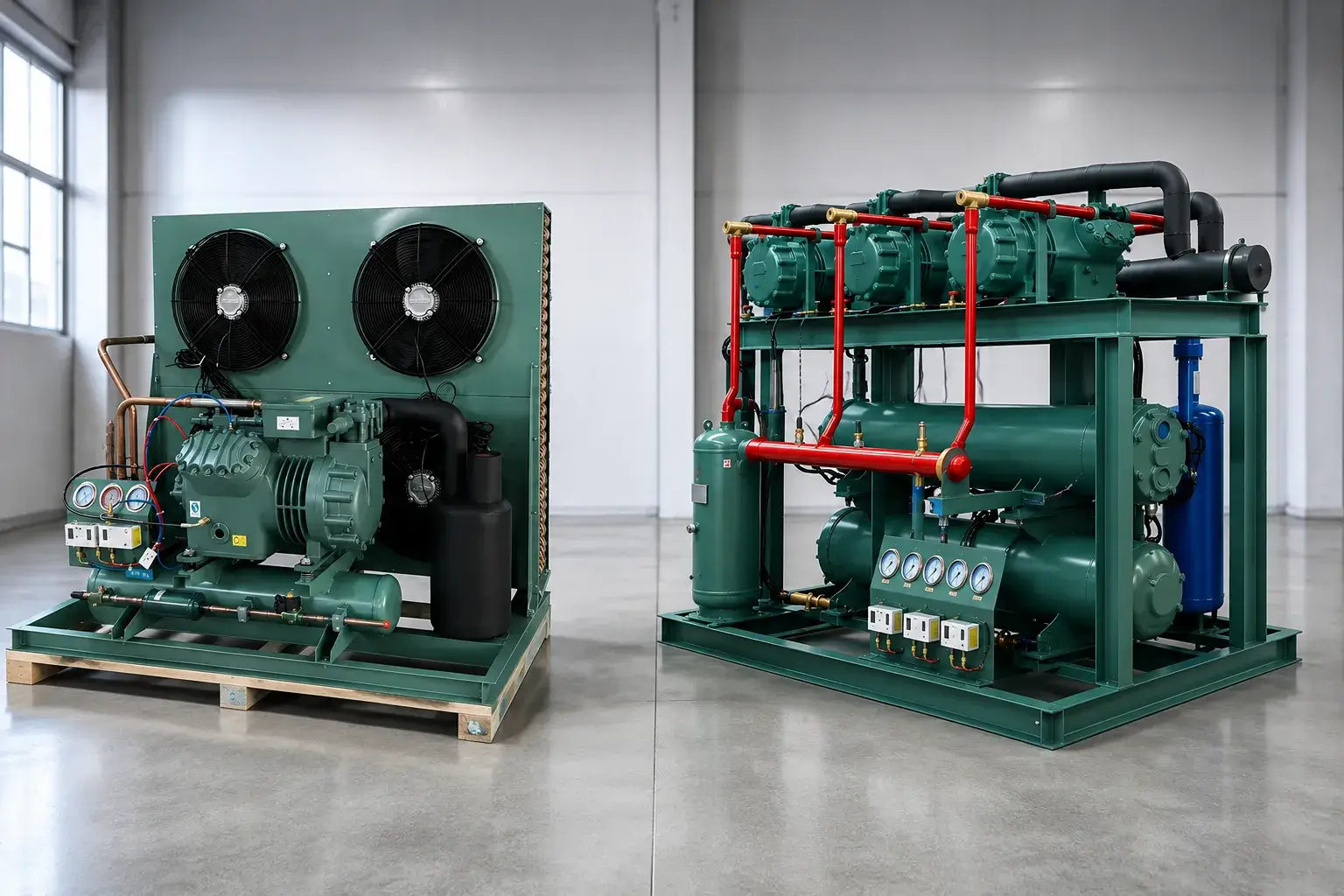
Condensing Units
Depending on project size, common solutions include:
Scroll Condensing Units
Suitable for:
- Small chocolate factories
- Retail storage facilities
- Medium-sized warehouses
Advantages:
- Stable operation
- Lower maintenance requirements
- High energy efficiency
Semi-Hermetic Compressor Units
Suitable for:
- Distribution centers
- Export warehouses
- Large industrial storage projects
Advantages:
- Higher refrigeration capacity
- Flexible capacity control
- Long service life
Popular compressor brands include Copeland, Bitzer, and RefComp.
Evaporator Selection
Evaporators for chocolate cold rooms should prioritize stable airflow rather than maximum cooling capacity.
Recommended features:
- Low air velocity fans
- Even airflow distribution
- Efficient defrost control
- Corrosion-resistant construction
Proper evaporator design helps prevent localized temperature variations and moisture issues.
Intelligent Control Systems
Modern chocolate warehouses increasingly utilize digital monitoring technologies.
Typical solutions include:
- Temperature monitoring systems
- Humidity monitoring systems
- Remote alarm functions
- Data logging platforms
- IoT-based warehouse management
Continuous monitoring helps ensure compliance with quality assurance and traceability requirements.
Project Example: Chocolate Cold Storage Warehouse
A chocolate manufacturer in the Middle East required a controlled storage facility for finished products before regional distribution.
Project Specifications
Storage Temperature:
16°C
Relative Humidity:
45% RH
Storage Area:
500㎡
Application:
Finished Chocolate Products
Solution
- PIR insulated cold room panels
- Semi-hermetic condensing unit
- Low-velocity evaporators
- Independent humidity control system
- Remote monitoring platform
Results
- Improved product consistency
- Reduced bloom-related complaints
- Stable storage conditions throughout the year
- Lower operational costs through energy-efficient refrigeration equipment
How to Choose the Right Chocolate Cold Storage Solution
When planning a chocolate warehouse project, key considerations include:
- Product type
- Storage capacity
- Local climate conditions
- Required storage duration
- Humidity control requirements
- Future expansion plans
Each project requires a customized refrigeration and cold room design to achieve the best balance between product quality, operational efficiency, and investment cost.
Conclusion
Successful chocolate storage depends on environmental stability rather than extreme refrigeration.
A well-designed chocolate cold room should combine:
- Precise temperature control
- Reliable humidity management
- High-performance insulation
- Optimized airflow distribution
- Energy-efficient refrigeration systems
As global demand for premium chocolate products continues to grow, professionally engineered chocolate cold storage facilities are becoming increasingly important for manufacturers, distributors, and exporters seeking to protect product quality and maintain supply chain reliability.
Need a Customized Chocolate Cold Room Solution?
Icepoint provides complete chocolate cold storage solutions, including cold room design, refrigeration systems, insulation panels, humidity control equipment, and turnkey project support.
Contact our engineering team today to discuss your chocolate storage requirements and receive a customized solution tailored to your facility and operationa l needs.