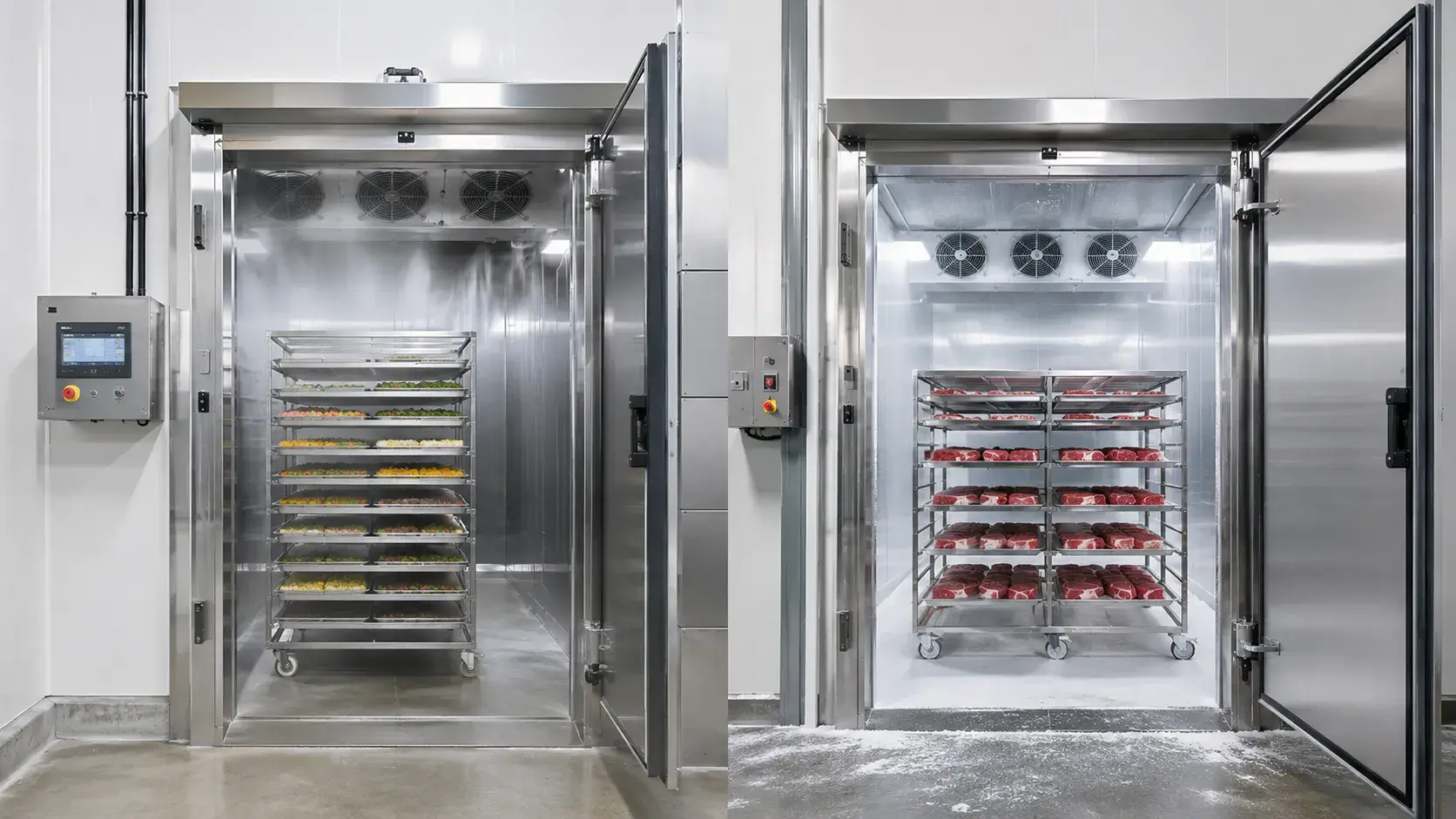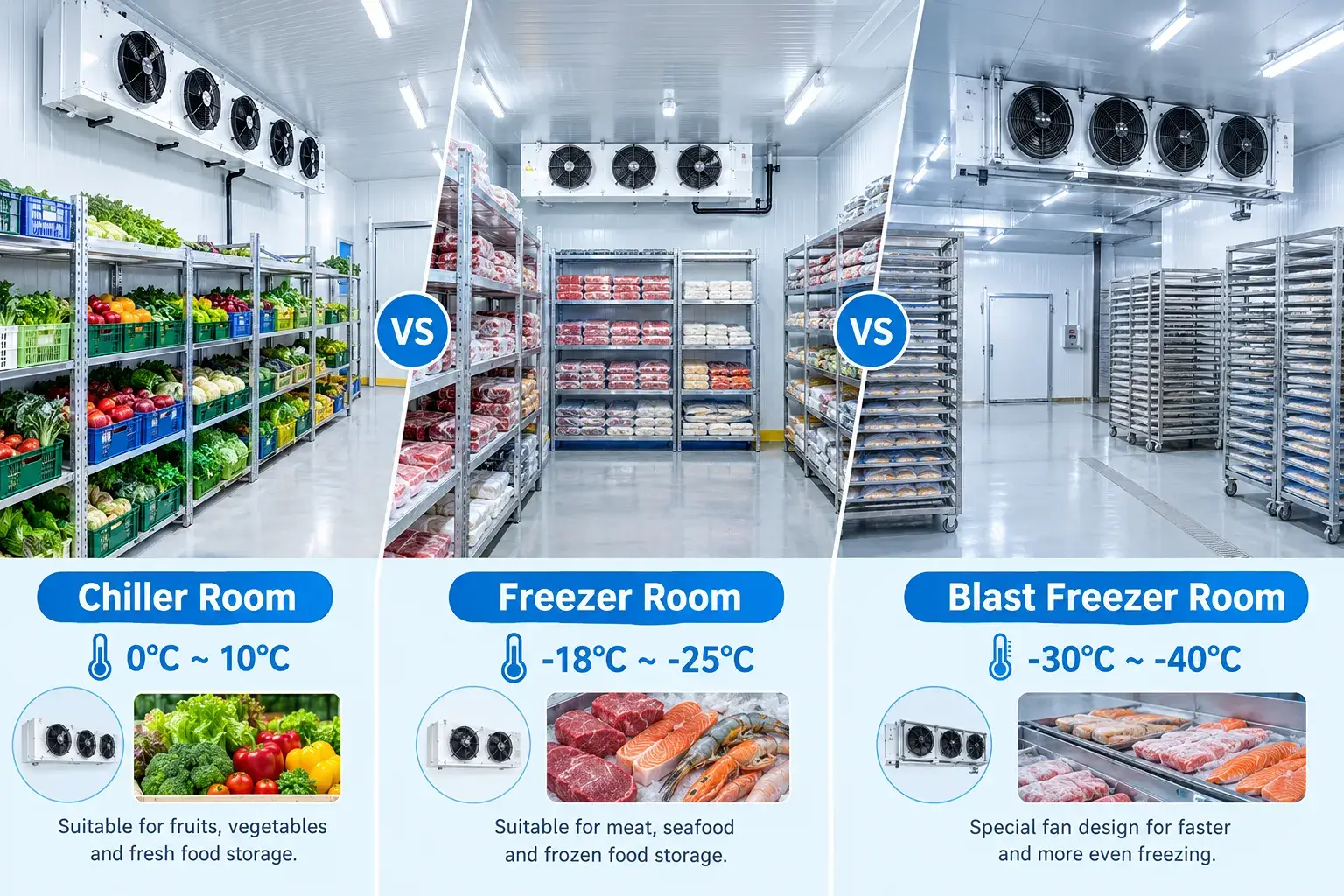
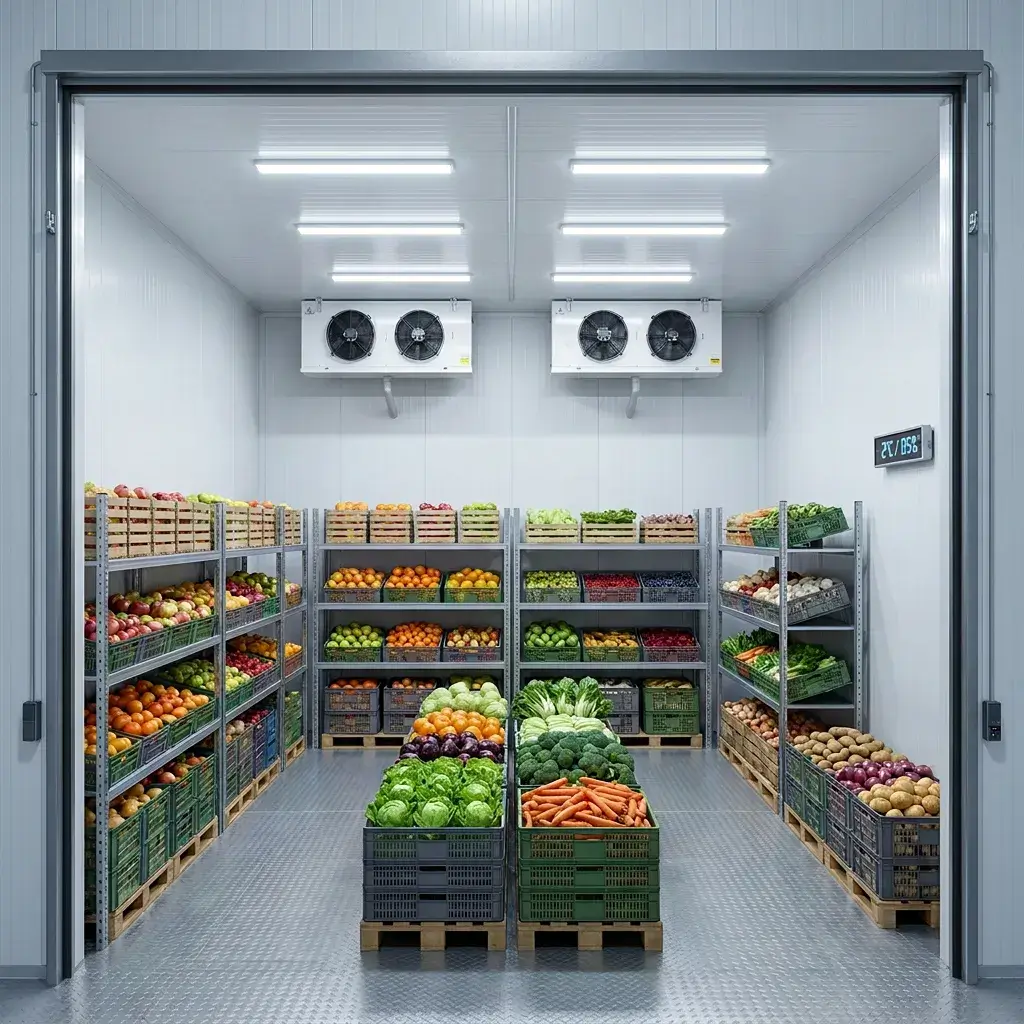
Introduction
Agricultural cold storage has evolved from a simple storage facility into a critical component of modern food supply chains. As agricultural production becomes more commercialized and globalized, maintaining product quality after harvest has become just as important as improving yields in the field.
For fruits, vegetables, grains, flowers, and other high-value crops, post-harvest loss remains one of the biggest challenges affecting profitability. Products often begin losing quality immediately after harvest due to respiration, moisture loss, microbial activity, and environmental exposure. Without proper temperature management, a significant portion of marketable produce can be lost before reaching consumers.
Modern cold storage systems address these challenges by controlling temperature, humidity, and airflow throughout the post-harvest process. Their value extends far beyond preserving freshness. A well-designed cold chain helps producers stabilize supply, improve product consistency, reduce waste, and respond more effectively to market demand.
This article explores the principles behind post-harvest preservation, the different types of agricultural cold storage systems, engineering considerations for cold room design, crop-specific storage strategies, and emerging trends shaping the future of agricultural cold chains.
Why Agricultural Cold Storage Is Essential in Modern Agriculture
Understanding Post-Harvest Loss in Agriculture
Harvest does not mark the end of a crop's biological activity. Fruits, vegetables, and many agricultural products continue to respire after being picked. During this process, stored nutrients are consumed, moisture is lost, and quality gradually declines.
Post-harvest losses typically occur during three stages:
- Handling and processing
- Storage
- Transportation and distribution
The main causes include:
- Accelerated respiration
- Water loss
- Microbial growth
- Mechanical damage
- Improper temperature management
In regions with limited cold chain infrastructure, losses can be substantial. Beyond reducing farmers' income, these losses create supply instability and increase food waste throughout the value chain.
How Cold Storage Reduces Crop Loss
Cold storage works by slowing the biological processes that drive product deterioration.
Lower temperatures help:
- Reduce respiration rates
- Delay ripening and aging
- Suppress bacterial and fungal growth
- Minimize moisture evaporation
- Maintain product appearance and weight
As a result, growers and distributors gain more flexibility in marketing and logistics, rather than being forced to sell products immediately after harvest.
Role in Agricultural Supply Chains and Export Markets
Today, cold chain infrastructure is often a prerequisite for accessing high-value domestic and export markets.
Fresh fruits, vegetables, flowers, and specialty crops frequently travel hundreds or even thousands of kilometers before reaching consumers. Without temperature-controlled storage and transportation, maintaining quality throughout this journey would be nearly impossible.
Reliable cold storage helps:
- Support long-distance distribution
- Reduce seasonal supply fluctuations
- Meet food safety requirements
- Comply with international export standards
- Improve product consistency across markets
How Agricultural Cold Storage Works
Post-Harvest Physiology of Crops
Understanding crop physiology is fundamental to designing an effective storage system.
After harvest, products continue to:
- Respire
- Release moisture
- Produce heat
- Undergo biochemical changes
Respiration rate largely determines storage life. Crops with high respiration rates generally deteriorate faster and require more aggressive cooling strategies.
Ethylene production also plays a critical role. Many fruits release ethylene gas during ripening, which can accelerate aging in nearby products if not properly managed.
Field Heat Removal and Pre-Cooling
One of the most important steps in post-harvest handling is removing field heat.
Freshly harvested crops often retain significant heat from sunlight and ambient conditions. If this heat is not removed quickly, respiration accelerates and quality declines rapidly.
Pre-cooling reduces product temperature before long-term storage and creates the foundation for successful cold chain management.
Common pre-cooling methods include:
Forced-Air Cooling
Widely used for fruits and vegetables packed in cartons.
Hydro Cooling
Uses chilled water to remove heat rapidly from suitable products.
Vacuum Cooling
Particularly effective for leafy vegetables with high surface moisture.
The choice depends on crop type, packaging format, and production scale.
Temperature, Humidity, and Airflow Control
Effective agricultural storage requires balancing three environmental factors:
Temperature
Temperature largely determines storage life and product metabolism.
Humidity
Relative humidity influences moisture loss, shrinkage, and appearance.
Airflow
Air circulation ensures uniform cooling throughout the storage space and prevents hot spots.
Poor airflow design can result in uneven temperatures, condensation, and localized spoilage.
Types of Agricultural Cold Storage Systems
Farm Cold Rooms
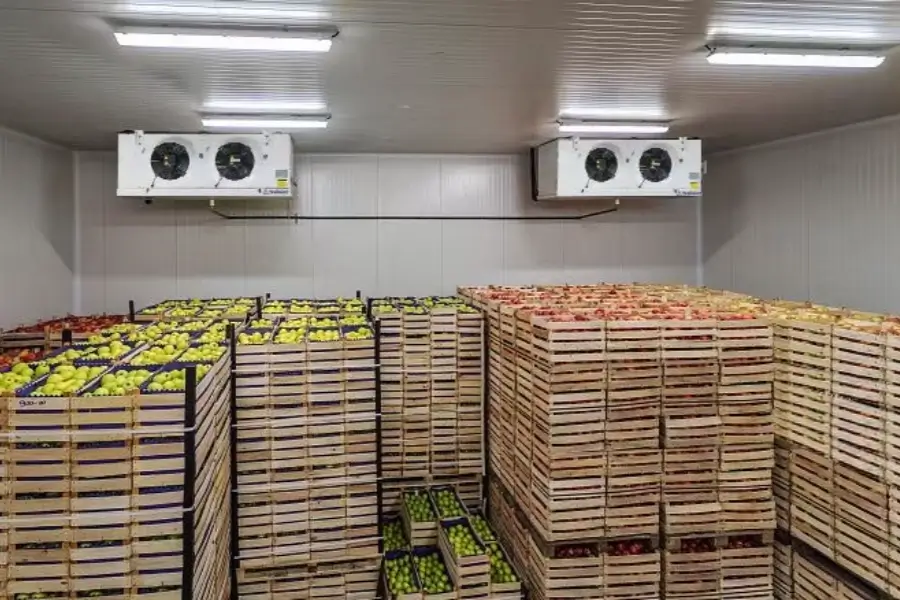
Farm cold rooms are typically installed near production sites.
They are commonly used for:
- Temporary storage
- Initial product grading
- Harvest buffering
- Short-term preservation
These systems are particularly popular among fruit growers, vegetable farms, and agricultural cooperatives.
Produce Cold Storage Facilities
Produce storage centers act as intermediate hubs between farms and markets.
They often integrate:
- Sorting operations
- Packaging lines
- Inventory management
- Distribution functions
Their primary purpose is to support efficient market distribution while maintaining product quality.
Grain Cold Storage Systems
Grain storage differs significantly from fresh produce storage.
The primary concerns include:
- Moisture control
- Mold prevention
- Insect management
- Long-term environmental stability
Large-scale grain storage facilities are often designed for seasonal inventory management rather than rapid turnover.
Controlled Atmosphere (CA) Storage
Controlled atmosphere storage extends preservation by regulating oxygen and carbon dioxide levels in addition to temperature.
CA storage is commonly used for:
- Apples
- Pears
- Kiwifruit
- Other high-value fruits
By slowing respiration even further, storage periods can often be extended by several months.
Refrigerated Agricultural Warehouses
Large agricultural distribution centers frequently operate multi-temperature facilities capable of handling diverse products simultaneously.
These warehouses support:
- Regional distribution
- Export logistics
- Multi-product storage
- High-volume inventory management
Agricultural Cold Storage Applications by Crop Type
Fruits
Fruit storage strategies vary significantly by species.
Apples and Pears
Require strict temperature control and often benefit from controlled atmosphere storage.
Berries
Highly sensitive to temperature fluctuations and require rapid cooling immediately after harvest.
Tropical Fruits
Products such as bananas, mangoes, and papayas are susceptible to chilling injury if stored at excessively low temperatures.
Vegetables
Vegetables have highly diverse storage requirements.
Leafy Greens
Need high humidity and rapid cooling due to high respiration rates.
Root Crops
Potatoes, carrots, and onions generally tolerate longer storage periods under stable conditions.
Different vegetable categories should often be stored separately to prevent quality issues and ethylene interactions.
Grains and Seeds
Long-term storage focuses on maintaining:
- Moisture content
- Germination rates
- Product integrity
Environmental stability becomes increasingly important as storage duration increases.
Flowers and Horticultural Products
Flowers are among the most temperature-sensitive agricultural products.
Cold chain management directly affects:
- Bloom quality
- Vase life
- Appearance
- Export viability
Even brief temperature deviations can significantly reduce product value.
Farm Cold Room Design and Engineering Principles
Capacity Planning
Cold storage capacity should be based on actual harvest patterns rather than average production volumes.
Key factors include:
- Peak harvest periods
- Daily intake volumes
- Future expansion plans
- Product turnover rates
Undersized facilities often become overloaded during harvest seasons, while oversized systems may create unnecessary capital and operating costs.
Temperature Zoning Design
Different crops require different environmental conditions.
Effective facilities often include separate zones for:
- Pre-cooling
- Chilled storage
- High-humidity storage
- Ethylene-sensitive products
Proper zoning improves both product quality and operational flexibility.
Insulation and Structural Design
Insulation quality directly impacts temperature stability and energy efficiency.
Most modern agricultural cold rooms use:
- PU panels
- PIR panels
Proper floor, wall, and ceiling insulation minimizes heat gain and reduces operating costs.
Attention must also be given to eliminating thermal bridges, which can increase energy consumption and create condensation issues.
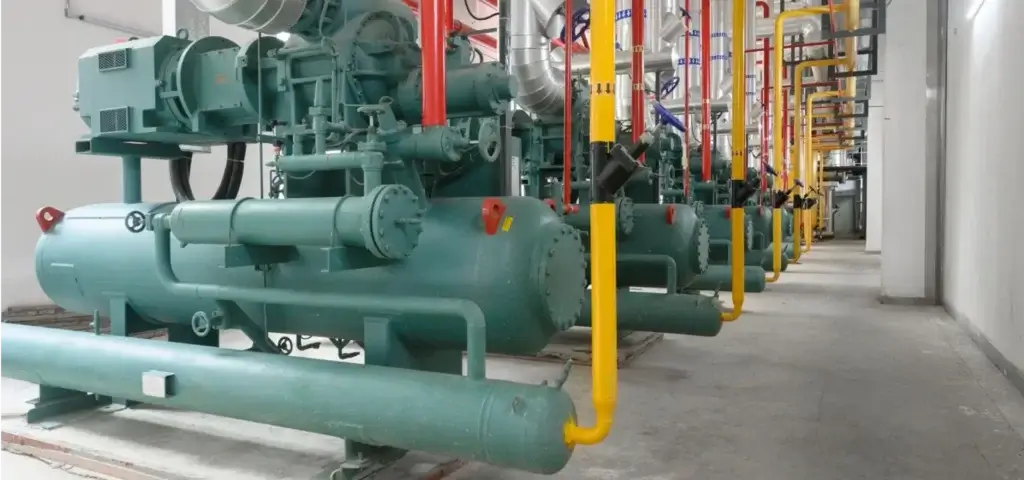
Refrigeration System Selection
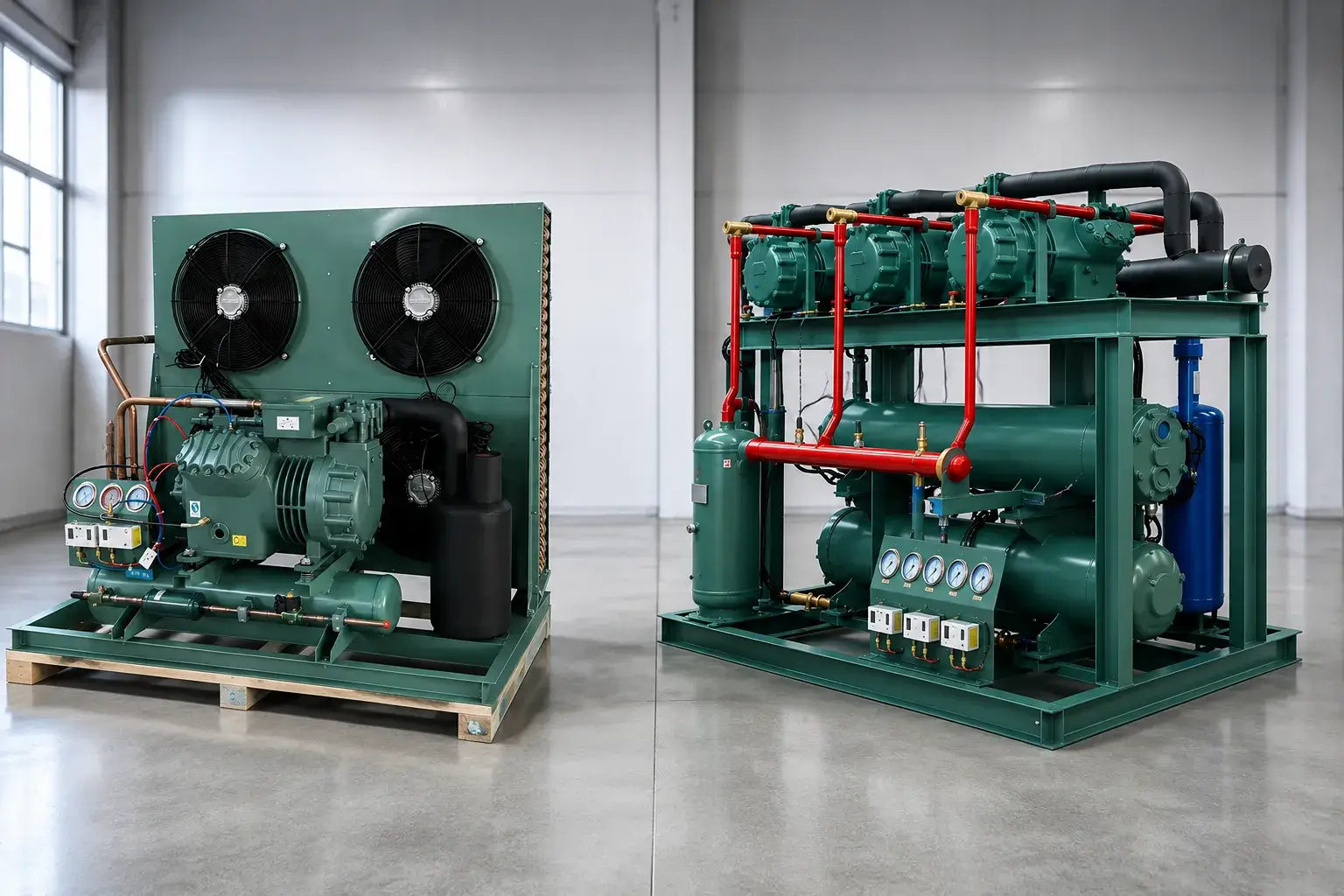
System selection depends on project scale and operational requirements.
Small Facilities
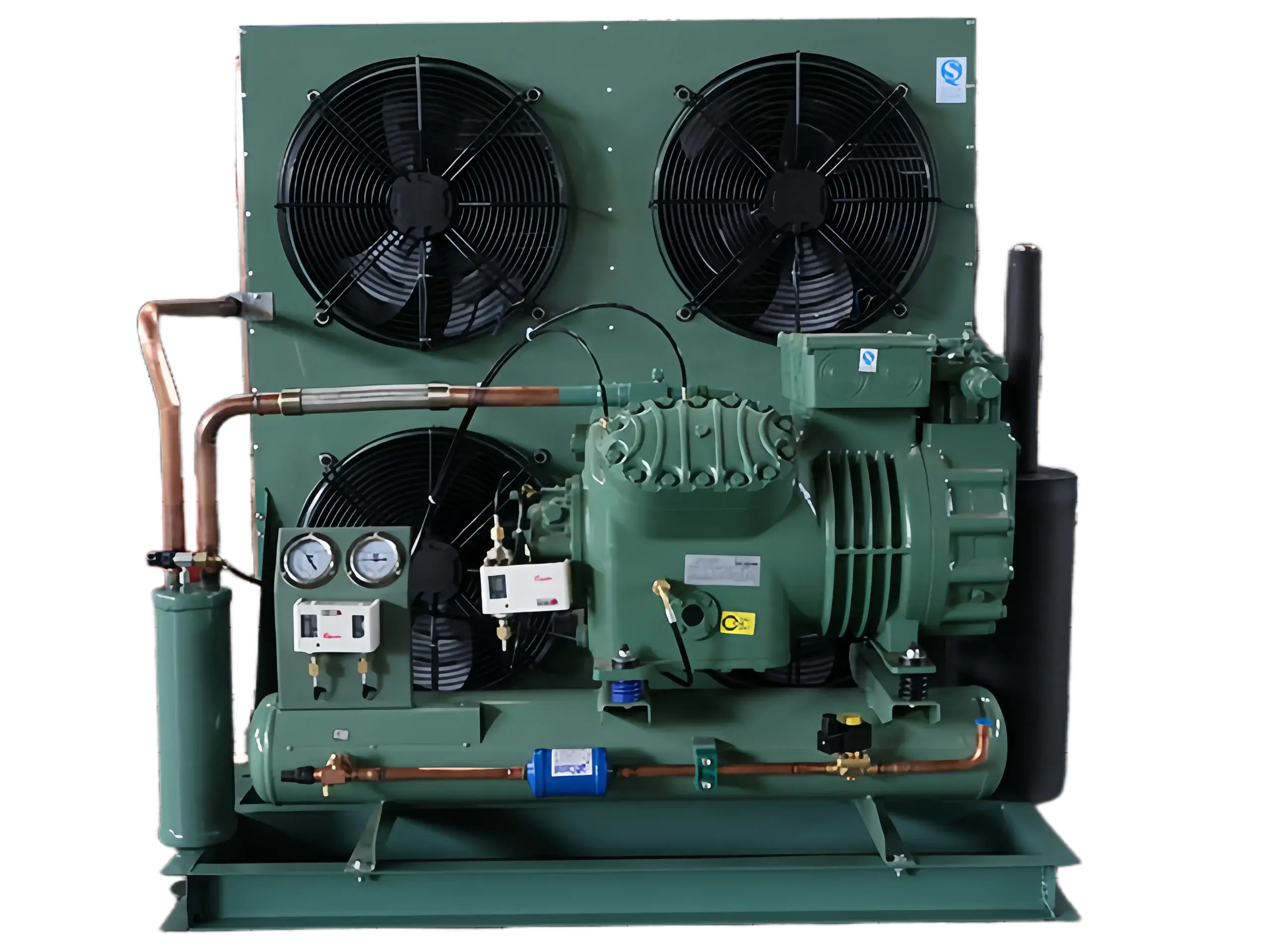
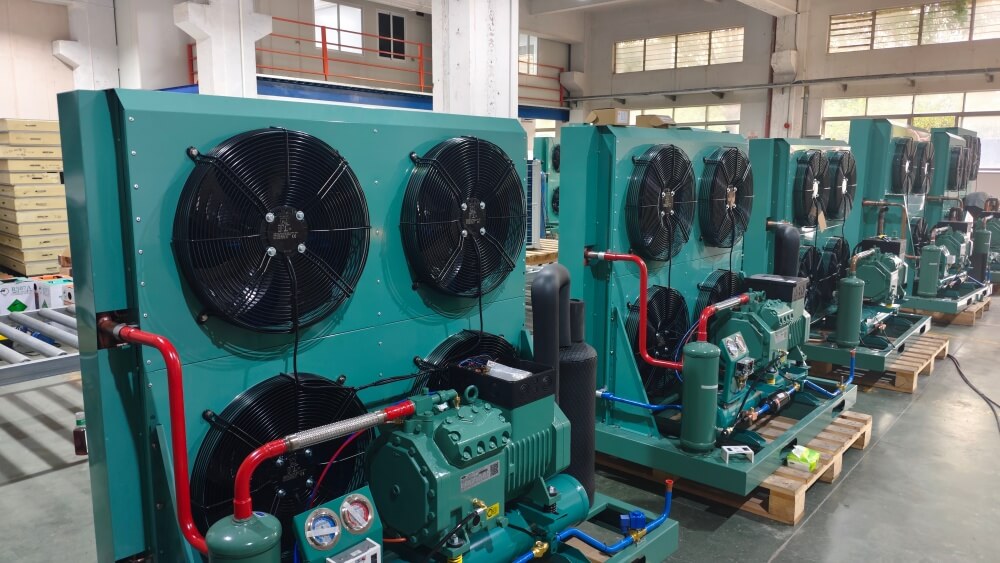
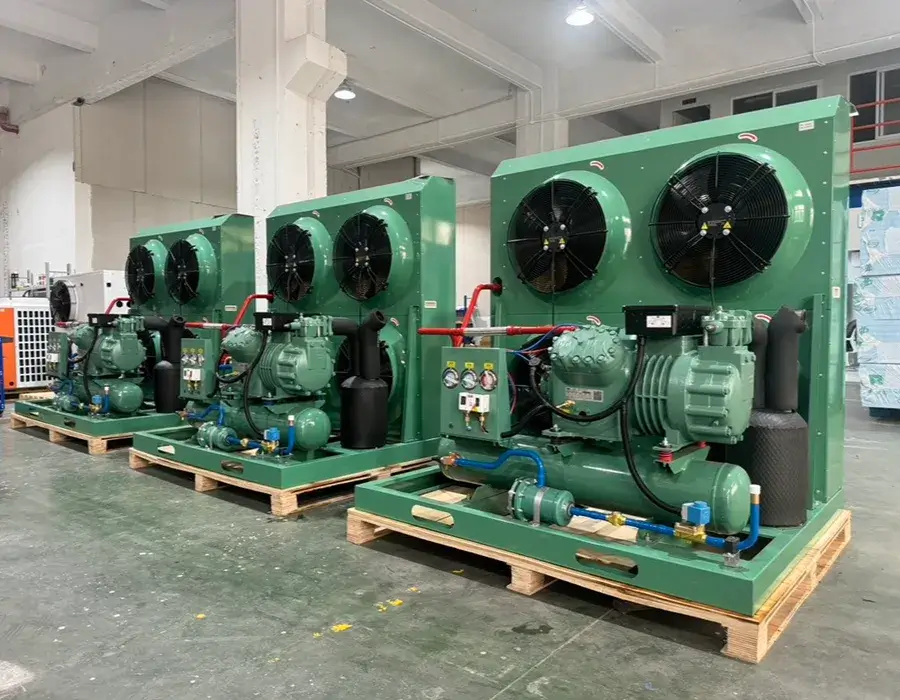
Often utilize compact monoblock refrigeration units.
Medium Projects
Commonly adopt split refrigeration systems.
Large Facilities
Typically employ centralized refrigeration plants designed for higher efficiency and operational flexibility.
Energy Optimization
Energy costs represent a significant portion of long-term operating expenses.
Optimization strategies include:
- Variable-speed compressors
- Intelligent control systems
- High-performance insulation
- Efficient door systems
- Solar-assisted refrigeration in remote locations
The Agricultural Cold Chain Process
Harvesting and Handling
Proper harvesting practices are the foundation of post-harvest quality.
Factors such as harvest timing, handling methods, and initial grading can significantly influence storage performance.
Pre-Cooling and Storage
Pre-cooling serves as the entry point into the cold chain.
Once field heat has been removed, products enter cold storage where environmental conditions are maintained according to crop-specific requirements.
Transportation and Distribution
Maintaining temperature continuity during transportation is critical.
Modern refrigerated logistics often include:
- GPS monitoring
- Real-time temperature tracking
- Automated alerts
- Data logging systems
Despite technological advances, the final distribution stage remains one of the most challenging points in the cold chain.
Key Benefits of Agricultural Cold Storage
A properly designed agricultural cold storage system delivers multiple benefits:
- Reduced post-harvest losses
- Extended marketing windows
- Improved product quality and consistency
- Greater pricing flexibility
- Stronger export competitiveness
- Higher overall supply chain efficiency
For many producers, cold storage can transform seasonal production into a year-round marketing strategy.
Common Challenges in Agricultural Cold Storage
Despite its benefits, agricultural cold storage still faces several challenges:
- Limited cold chain infrastructure in rural areas
- High energy costs
- Dependence on manual environmental management
- Uneven access to advanced technology
- Limited technical expertise in some regions
Addressing these challenges often requires both technological innovation and long-term investment.
How to Choose the Right Agricultural Cold Storage Solution
Based on Crop Characteristics
Storage conditions should always be tailored to the biological requirements of specific crops.
A single temperature strategy rarely works for mixed-product operations.
Based on Storage Duration
Short-term storage and long-term preservation require different system configurations and investment levels.
Based on Scale and Business Model
Farm-level cold rooms, cooperative facilities, and industrial warehouses each serve different operational purposes.
Future growth should also be considered during planning.
Based on Energy Conditions
Power availability often influences system design.
Options may include:
- Grid electricity
- Diesel backup systems
- Solar-powered refrigeration
- Hybrid energy solutions
This consideration is especially important in remote agricultural regions.
Monitoring and Automation
Modern cold storage increasingly relies on digital technologies.
Common features include:
- IoT temperature and humidity monitoring
- Remote management platforms
- Automated alerts
- Historical data analysis
- Traceability systems
These technologies improve operational efficiency while supporting food safety compliance.
Frequently Asked Questions
What is agricultural cold storage?
Agricultural cold storage is a temperature-controlled facility designed to preserve harvested crops, reduce post-harvest losses, and maintain product quality throughout storage and distribution.
Why is cold storage important in agriculture?
It reduces spoilage, extends shelf life, improves market flexibility, and supports stable agricultural supply chains.
What temperature should agricultural products be stored at?
Storage temperatures vary by crop. Fresh produce is often stored between 0°C and 4°C, while frozen agricultural products may require temperatures below -18°C.
What is the difference between pre-cooling and cold storage?
Pre-cooling rapidly removes field heat immediately after harvest. Cold storage provides long-term environmental control for preservation.
How much does an agricultural cold storage system cost?
Costs depend on storage capacity, temperature requirements, refrigeration systems, automation levels, and site conditions.
Future Trends in Agricultural Cold Storage
Agricultural cold chains are becoming increasingly intelligent, efficient, and sustainable.
Emerging trends include:
- AI-assisted temperature optimization
- Predictive maintenance systems
- Automated storage operations
- Solar-powered refrigeration solutions
- Integration with digital agriculture platforms
- End-to-end cold chain visibility
These technologies are helping producers improve efficiency while reducing environmental impact.
Conclusion
Key Takeaways
Agricultural cold storage is no longer simply a place to store harvested products. It has become an essential part of modern agricultural infrastructure, connecting production, storage, transportation, and market distribution.
The success of any agricultural cold storage project depends on more than refrigeration equipment alone. Long-term performance is determined by how effectively temperature, humidity, airflow, and operational workflows work together.
For growers, exporters, cooperatives, and food supply chain operators, investing in a well-designed cold storage system can significantly reduce losses, improve product quality, and create greater market opportunities.
Choosing a Cold Storage Partner
When evaluating a cold storage supplier or engineering contractor, key considerations include:
- Experience with agricultural applications
- Customized cold room design capabilities
- Refrigeration engineering expertise
- Energy efficiency optimization
- Long-term service and maintenance support
The right partner should be able to design not only a cold room, but a complete cold chain solution that supports your operational goals today and future growth tomorrow.