Introduction
In the food processing and cold chain industries, maintaining product quality during freezing is a major challenge. Fresh meat, seafood, ready meals, bakery products, and other temperature-sensitive foods can experience quality loss if the freezing process is too slow or the temperature is not properly controlled. Large ice crystal formation, moisture loss, and changes in texture can directly affect product value and customer satisfaction.
A blast freezer room provides an efficient solution by using extremely low temperatures and high-speed air circulation to rapidly remove heat from products. Unlike traditional freezing methods, a blast freezer is designed for fast temperature reduction, helping food manufacturers preserve product quality and prepare products for long-term frozen storage and cold chain distribution.
With increasing demand for frozen food production and international cold chain transportation, companies need reliable and energy-efficient freezing systems. A professionally designed industrial freezing system can improve production efficiency, reduce product waste, and ensure stable freezing performance.
This article explains what a blast freezer room is, its operating temperature, working principle, equipment components, industrial applications, and the key benefits it provides for modern food processing businesses.
What Is a Blast Freezer Room?
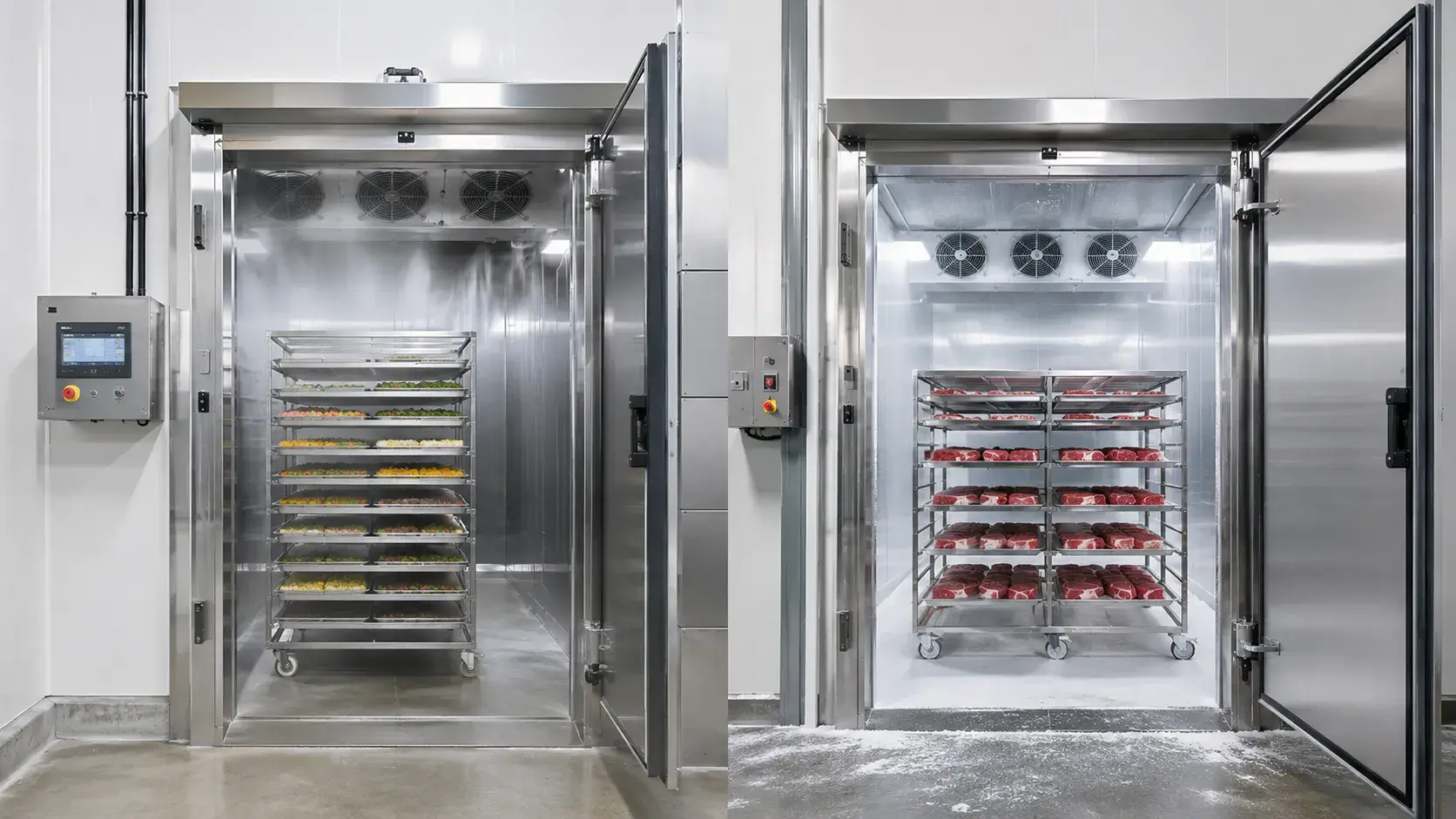
A blast freezer room is an industrial refrigeration facility designed to rapidly freeze products by using low-temperature air and high-speed airflow circulation. The system removes heat from products quickly, allowing the core temperature to reach the required freezing level within a short period.
The main purpose of a blast freezer is rapid freezing rather than long-term storage. By controlling temperature, airflow speed, and refrigeration capacity, a blast freezer helps reduce freezing time while maintaining product quality.
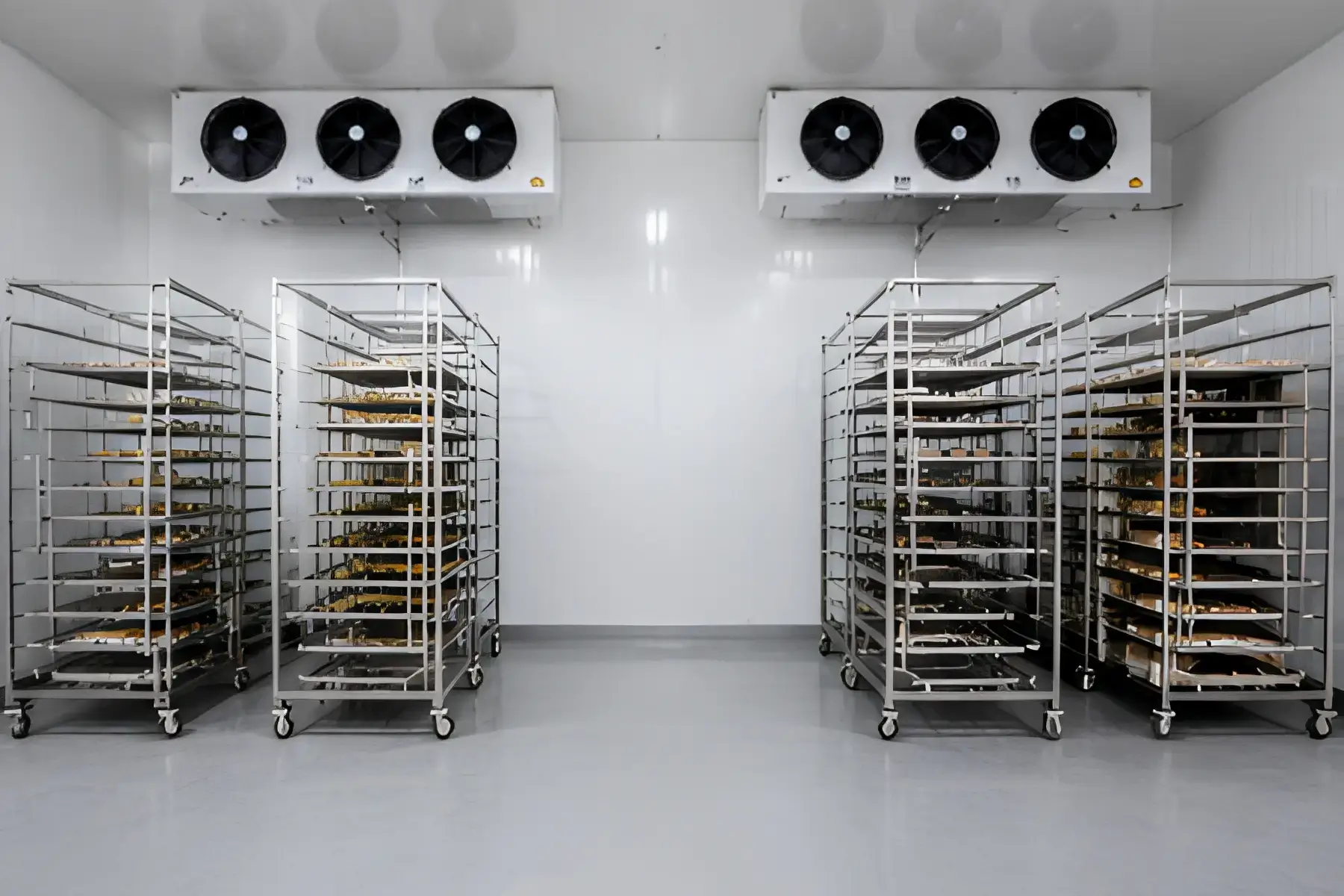
A complete blast freezer room usually includes a refrigeration system, high-airflow evaporator, air circulation equipment, insulated panels, and an intelligent temperature control system. These components work together to create a stable freezing environment for commercial food production.
For food processors, selecting the right freezing solution requires considering product characteristics, production volume, freezing capacity, and operating conditions. Icepoint provides customized blast freezer room solutions designed according to different industrial requirements, helping customers achieve efficient and reliable freezing performance.
Definition and Purpose of Blast Freezer Room
The working principle of a blast freezer room is based on rapid heat removal. The refrigeration system generates extremely cold air, while powerful fans circulate the air at high speed around products. This forced air movement improves heat transfer efficiency and accelerates the freezing process.
Compared with standard frozen storage equipment, a blast freezer focuses on achieving fast freezing results. It is commonly integrated into food production lines where products need to be frozen immediately after processing.
A professional blast freezer system includes:
- High-capacity refrigeration units
- Low-temperature evaporators
- High-speed airflow systems
- Temperature monitoring and control systems
- Insulated cold room structures
Icepoint designs and manufactures industrial refrigeration solutions based on customers’ freezing requirements, including freezing capacity, product type, and factory layout.
Blast Freezer Room Temperature and Freezing Requirements
Temperature control is one of the most important factors affecting blast freezing performance. The correct operating temperature ensures faster freezing speed, better product quality, and stable system operation.
What Temperature Does a Blast Freezer Operate At?
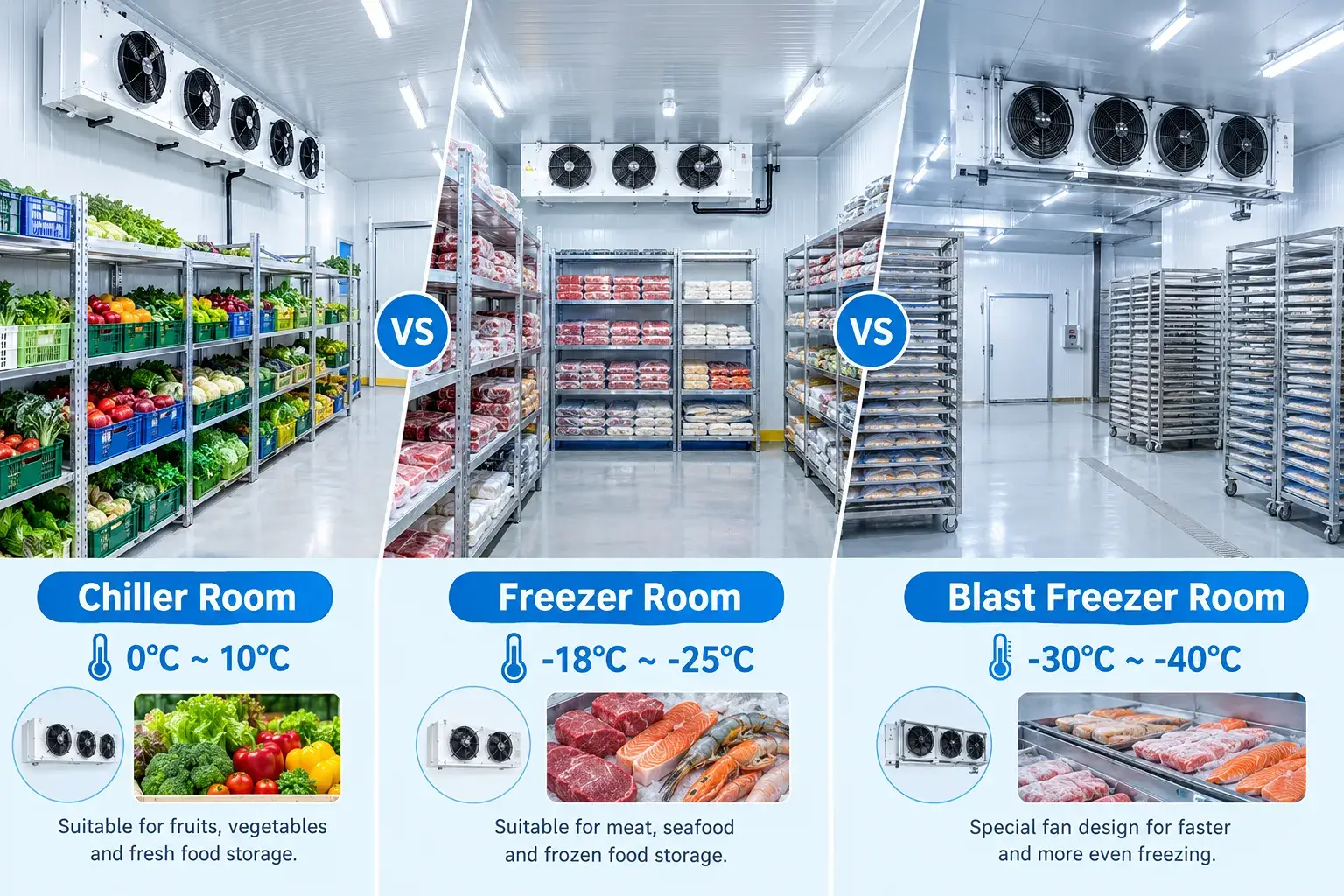
Most industrial blast freezer rooms operate at approximately -30°C to -40°C. This low-temperature environment allows the refrigeration system to remove product heat quickly and achieve rapid freezing.
However, the ideal freezing temperature depends on several factors:
- Product type
- Product thickness
- Initial product temperature
- Required freezing time
- Loading capacity
- Refrigeration system performance
Different products have different freezing requirements.
For example:
- Meat products often require rapid freezing conditions around -35°C to preserve texture and reduce moisture loss.
- Seafood products require efficient freezing performance to maintain freshness and prevent quality deterioration.
- Processed foods may require customized freezing programs based on their ingredients and packaging methods.
A professional cold room design evaluates these factors before selecting refrigeration capacity, evaporator specifications, and airflow configuration.
Why Low Temperature Is Important for Rapid Freezing
Rapid freezing depends on both low temperature and effective air circulation. Simply lowering the room temperature is not enough; the system must transfer heat away from products efficiently.
A properly designed blast freezing system provides several advantages:
- Faster heat removal
- Smaller ice crystal formation
- Better texture retention
- Reduced moisture loss
- Longer product shelf life
When food freezes slowly, larger ice crystals may damage the internal structure of products. Rapid freezing helps protect product quality and improves the final customer experience after thawing.
How Does a Blast Freezer Room Work?
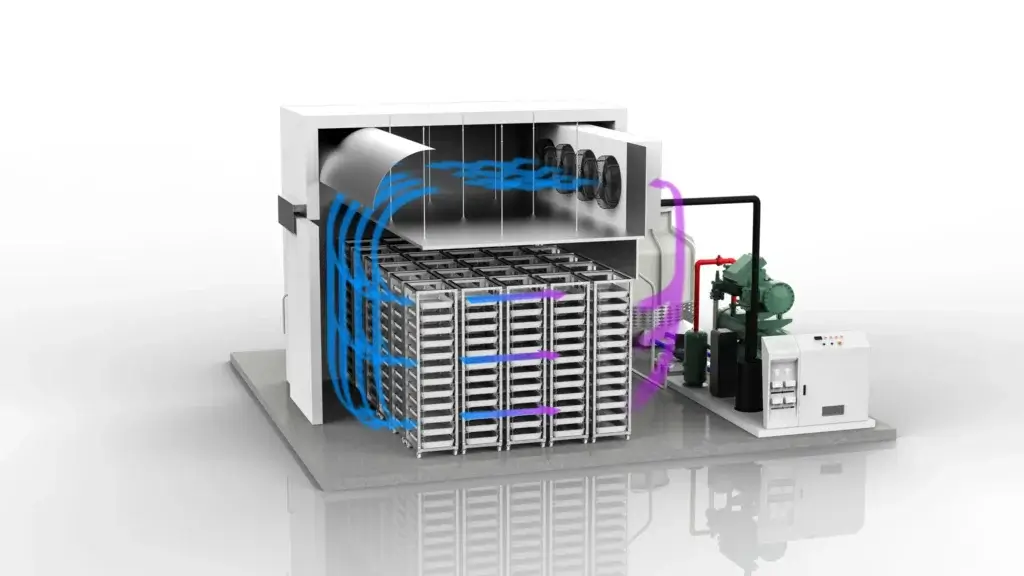
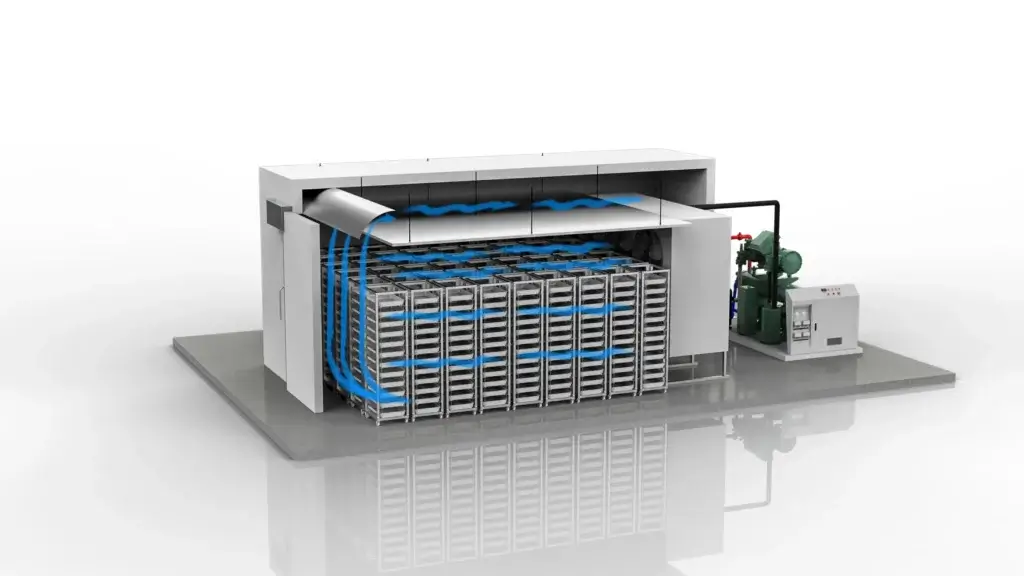
A blast freezer room works through the combination of a refrigeration cycle and forced air circulation technology. The system continuously removes heat from products until they reach the required freezing temperature.
The performance of a blast freezer depends on refrigeration capacity, evaporator design, airflow velocity, and product loading conditions.
Working Principle of Blast Freezing System
The blast freezing process usually includes the following steps:
- Product Loading
Freshly processed products are placed inside the blast freezer room using trays, racks, pallets, or customized loading systems.
The loading method affects airflow distribution and freezing efficiency, so the room layout must be designed according to production requirements.
- Refrigeration System Generates Cold Air
The refrigeration system produces low-temperature air through the refrigeration cycle:
- The compressor compresses refrigerant
- The condenser releases heat
- The evaporator produces cold air inside the room
The refrigeration capacity determines how quickly the system can remove heat from products.
- High-Speed Air Circulation
Powerful fans force cold air through the evaporator and distribute it evenly throughout the room.
High airflow improves heat exchange between cold air and products, allowing faster freezing performance.
- Heat Removal from Products
Cold air continuously absorbs heat from products and transfers it back to the refrigeration system.
The combination of low temperature and airflow speed allows products to pass through the freezing process quickly.
- Completion of Freezing Process
After reaching the required core temperature, products can be moved to a cold storage room or frozen warehouse for long-term storage.
Key Components of a Blast Freezer System
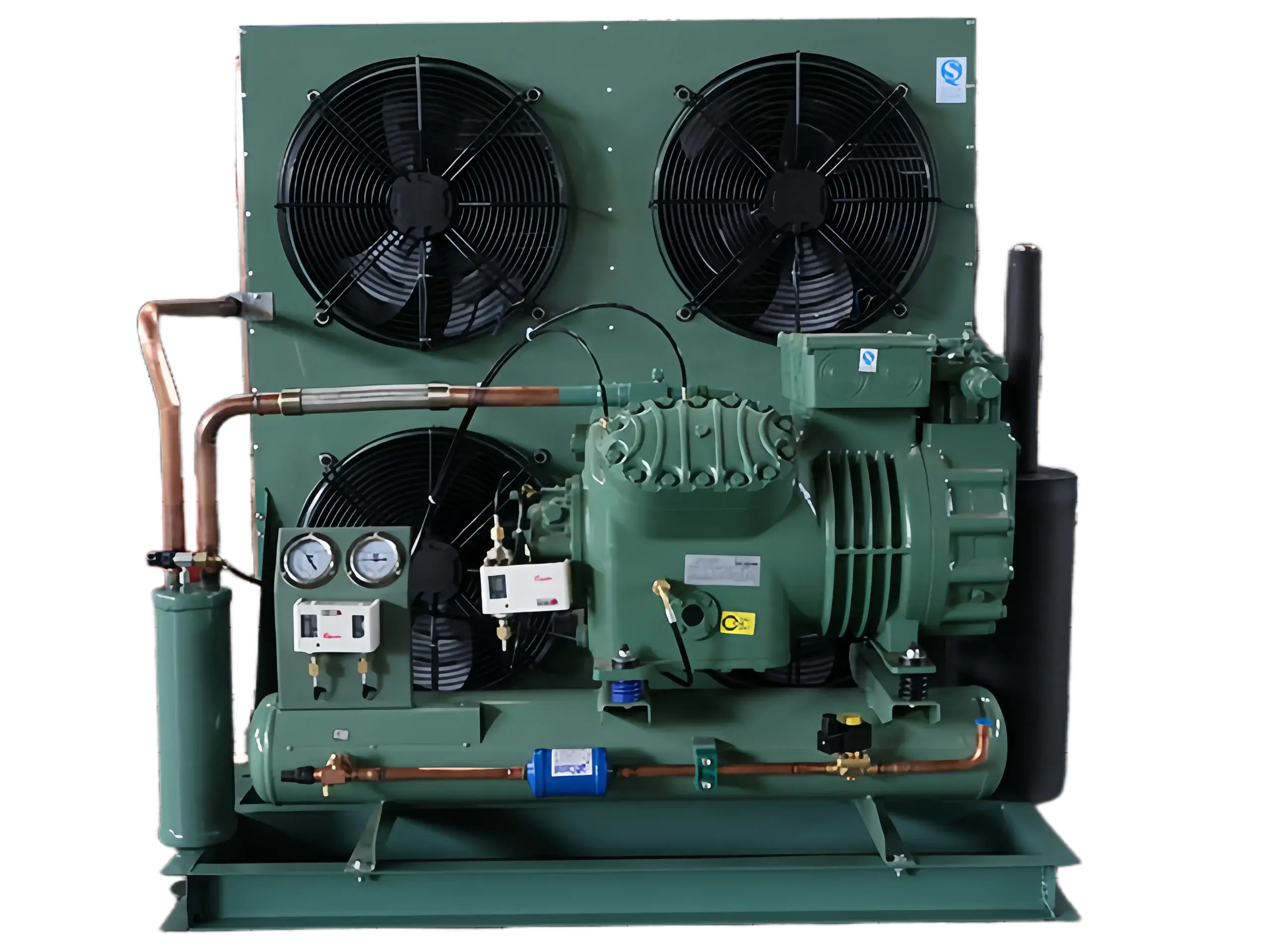
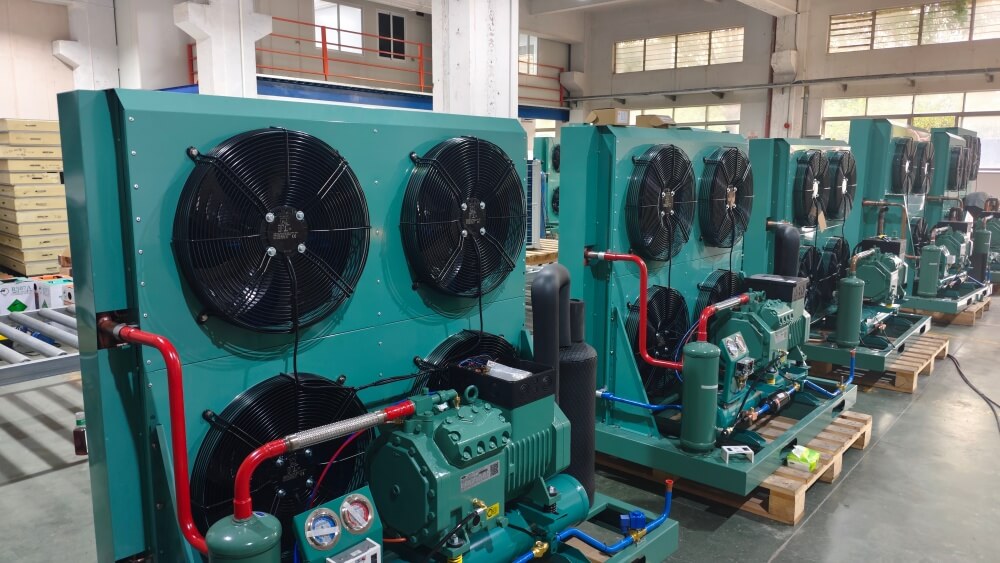
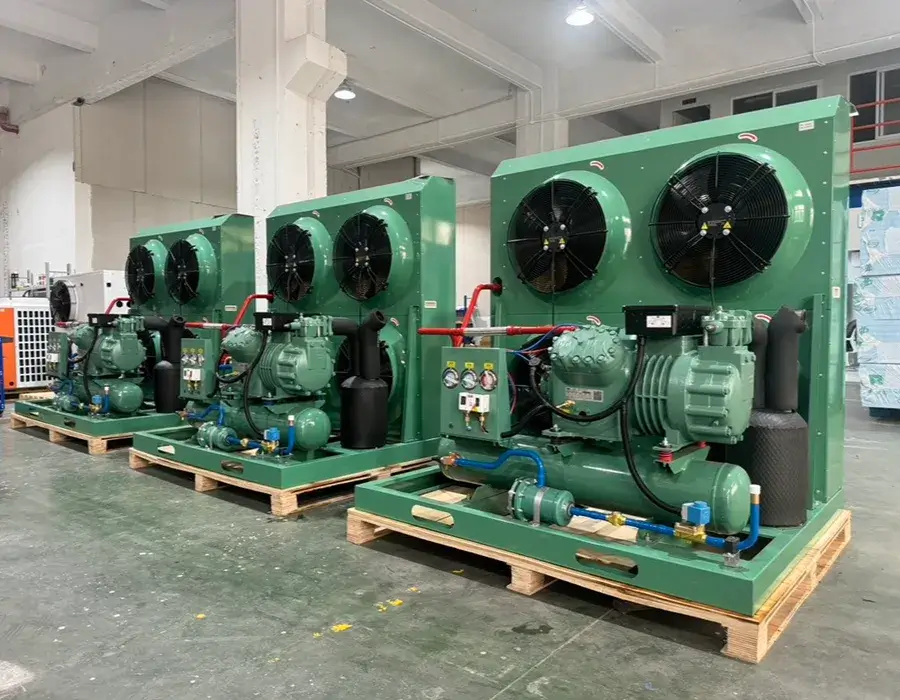
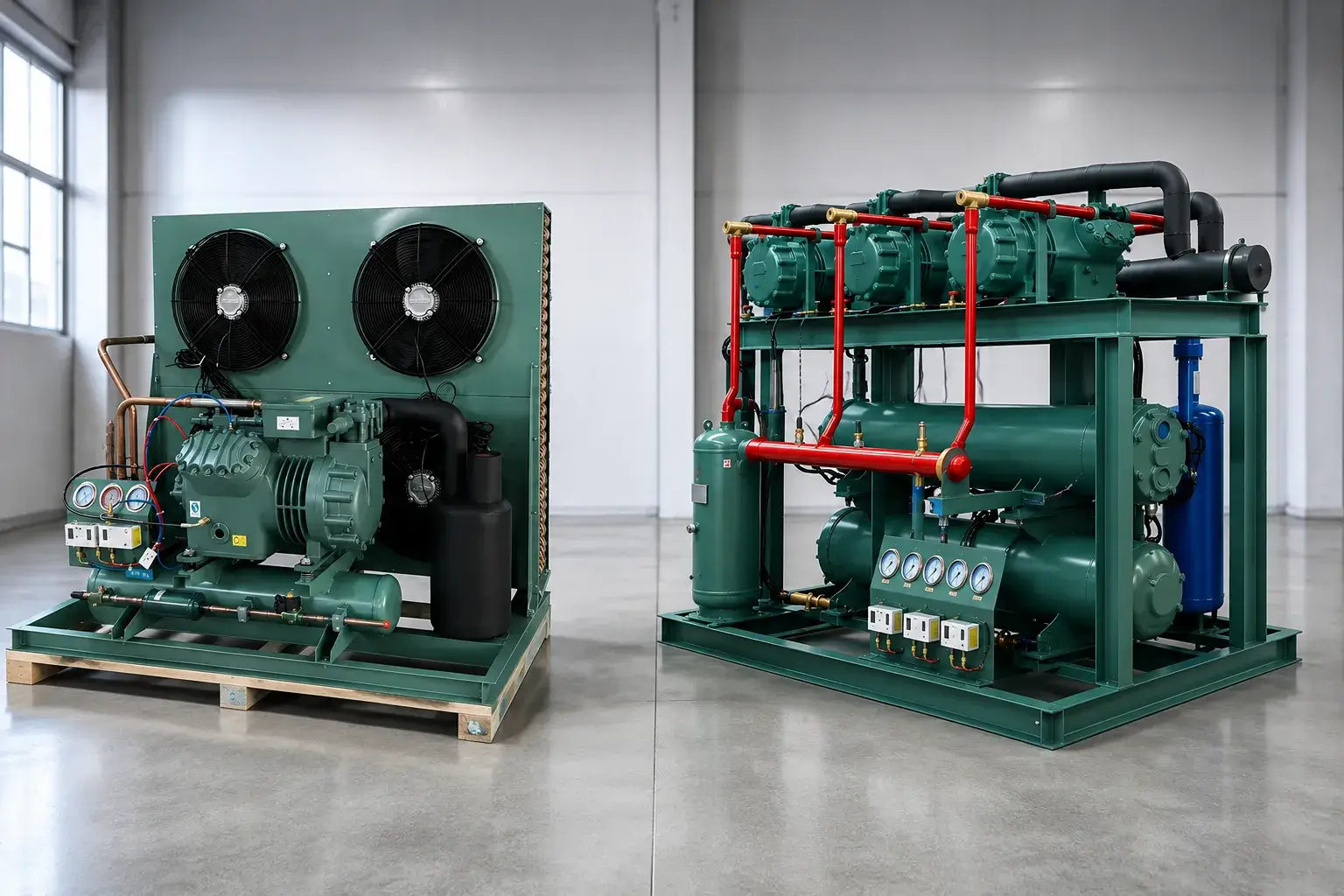
A complete blast freezer system consists of several important components that work together to achieve stable freezing performance.
Refrigeration Unit
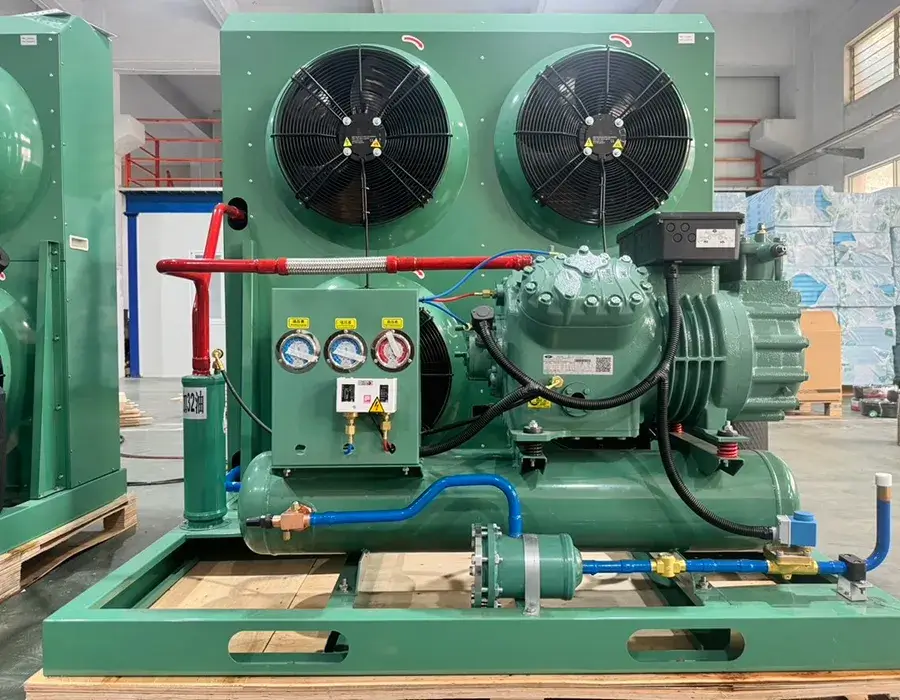
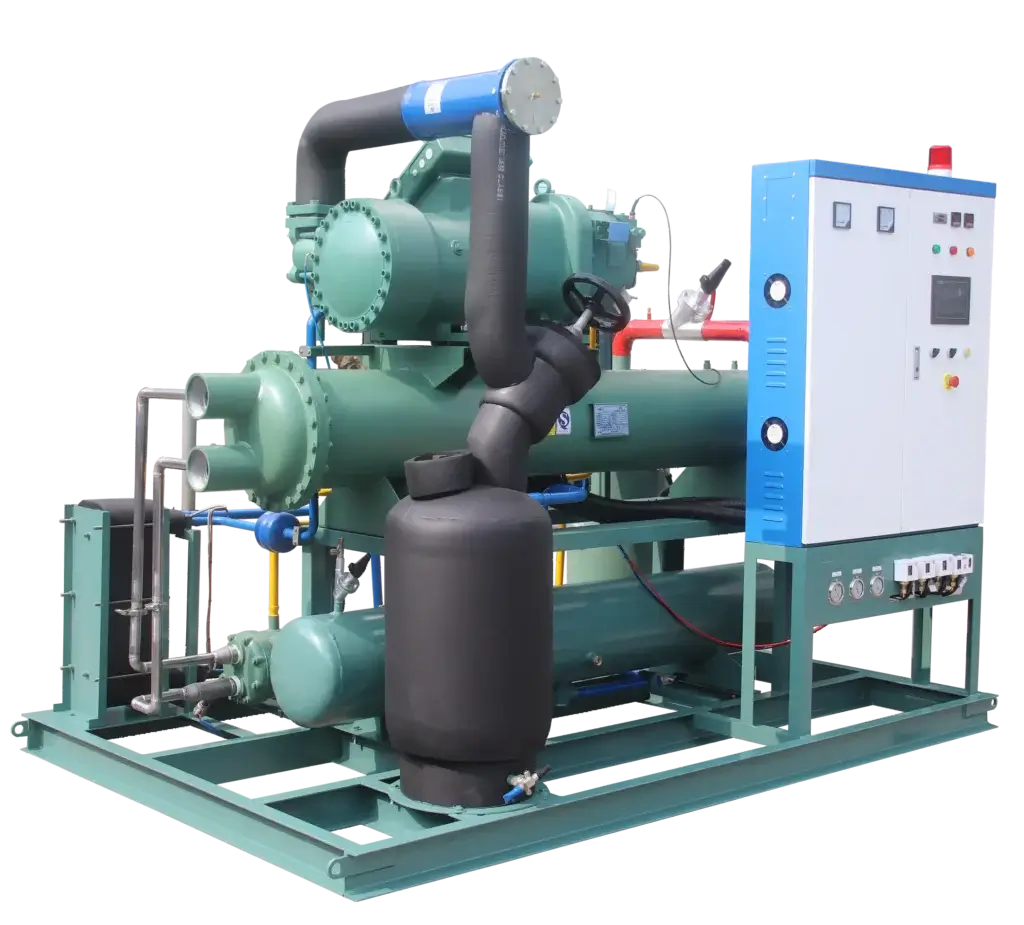
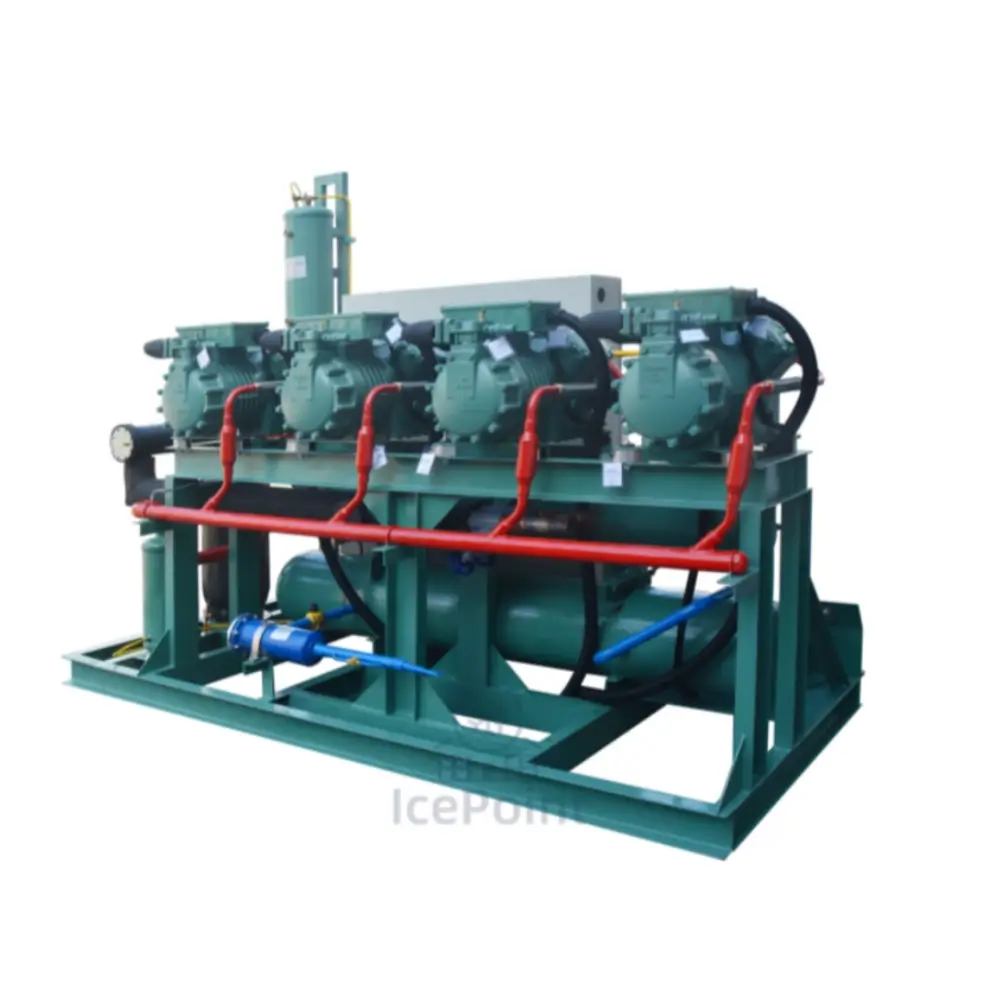
The refrigeration unit provides the cooling capacity required for rapid freezing.
Main components include:
- Compressor
- Condensing unit
- Refrigeration circuit
- Expansion system
The selection of refrigeration equipment depends on freezing capacity, operating temperature, and production requirements.
Blast Freezer Evaporator
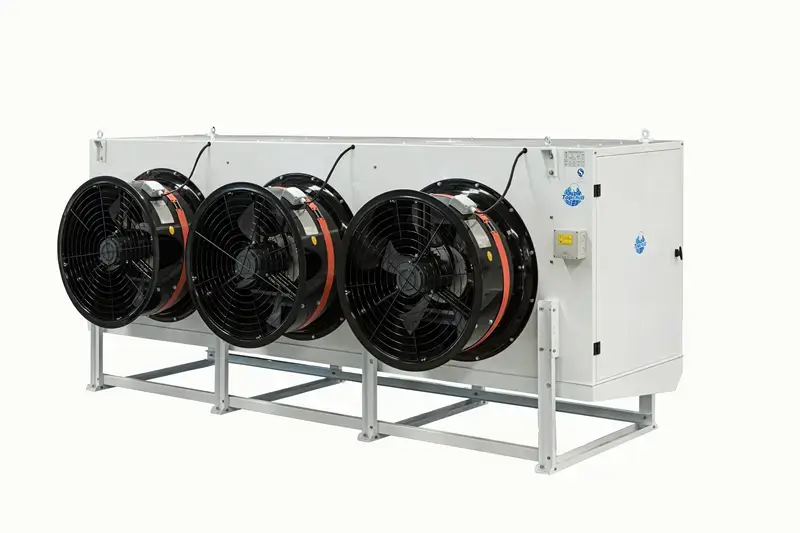
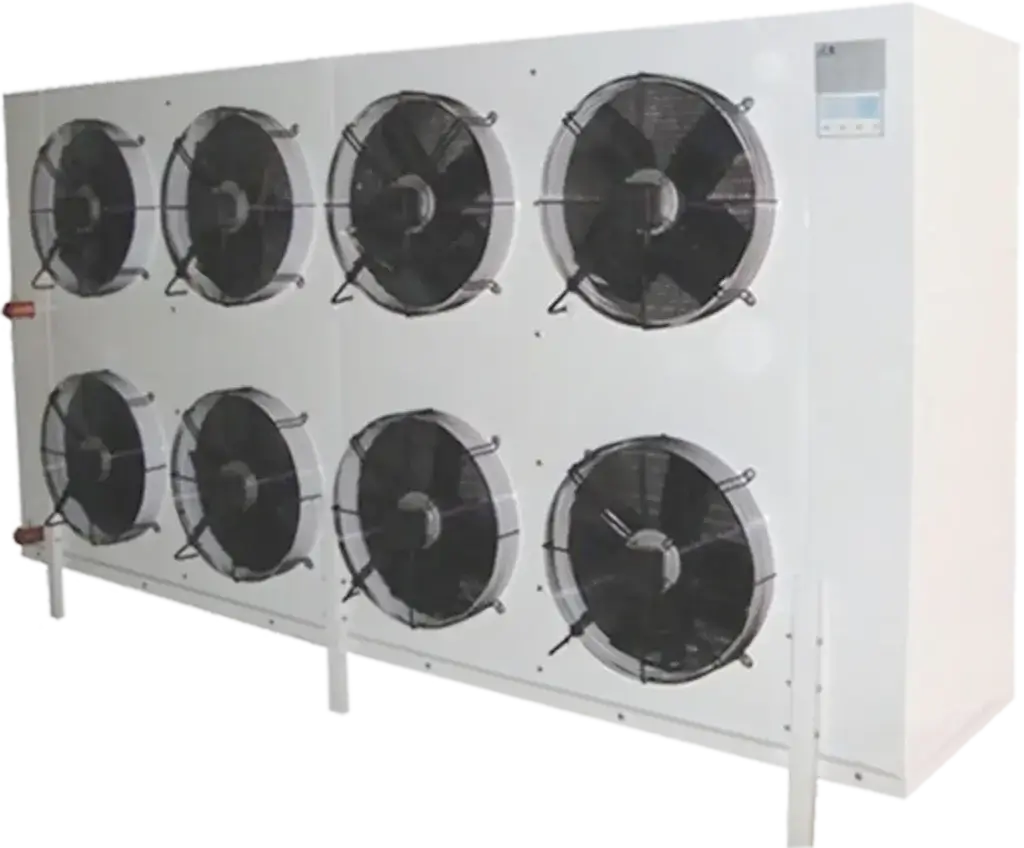
The evaporator is specially designed for low-temperature and high-airflow applications.
Important features include:
- Large heat exchange capacity
- High airflow output
- Efficient low-temperature operation
Air Circulation System
Airflow distribution directly affects freezing uniformity.
The system includes:
- High-performance fans
- Air ducts
- Airflow control design
Proper airflow prevents uneven freezing and improves product consistency.
Control System
Modern blast freezer rooms use intelligent control systems, including:
- Digital temperature controllers
- PLC control systems
- Automatic defrost functions
- Temperature monitoring
Icepoint can customize control configurations according to different industrial applications.
Industrial Blast Freezer Room Design and Equipment
For commercial and industrial applications, professional cold room design plays an important role in freezing efficiency, energy consumption, and system reliability.
A well-designed blast freezer must consider product requirements, production capacity, available space, and future operational needs.
Core Components of Industrial Blast Freezer System
An industrial blast freezer room typically includes:
- Compressor unit
- Condensing unit
- Blast freezer evaporator
- PU insulated panels
- Cold room doors
- Refrigeration control system
- Electrical control cabinet
High-quality insulation panels reduce heat leakage and improve energy efficiency. Reliable refrigeration equipment ensures stable operation during continuous production.
Icepoint provides complete engineering support, including system selection, customized design, equipment manufacturing, and project solutions for different industries.
Factors to Consider When Designing a Blast Freezer Cold Room
Several factors should be considered when designing a blast freezer cold room:
Freezing Capacity
The refrigeration system must match the required daily production volume. Insufficient capacity may increase freezing time and affect product quality.
Product Characteristics
Different products require different freezing conditions. Meat, seafood, and processed foods may require different airflow patterns and freezing strategies.
Room Size and Loading Method
The internal layout affects airflow circulation and equipment efficiency. Rack systems, trolley loading, and conveyor systems require different design approaches.
Energy Efficiency
An optimized design can reduce operating costs through:
- Proper insulation
- Efficient compressors
- Optimized airflow
- Intelligent temperature control
Blast Freezer Applications in Food Processing
Blast freezer rooms are widely used in industries where rapid freezing is essential for maintaining quality and supporting cold chain operations.
Meat Processing Applications

The meat processing industry relies on blast freezing technology for products such as:
- Beef
- Pork
- Chicken
- Sausage products
After processing, meat products need to be frozen quickly to maintain freshness and minimize quality changes.
A professional blast freezer system helps meat processors:
- Reduce freezing time
- Maintain meat texture
- Minimize product loss
- Improve frozen product handling
Combined with a reliable meat cold storage system, blast freezing supports a complete frozen meat supply chain from production to distribution.
Seafood Processing Applications

Seafood products are highly sensitive to temperature changes. Rapid freezing is essential for maintaining freshness and protecting product value.
Blast freezer rooms are widely used for:
- Fish
- Shrimp
- Crab
- Other seafood products
Benefits include:
- Preserving seafood freshness
- Reducing moisture loss
- Maintaining appearance and texture
- Supporting international seafood cold chain transportation
For seafood exporters, reliable seafood cold storage and freezing systems are essential for meeting market quality requirements.
Ready Meals, Bakery and Frozen Food Applications

Blast freezing is also widely used in:
- Ready meals
- Bakery products
- Ice cream
- Fruits and vegetables
For these industries, rapid freezing improves production efficiency, maintains product consistency, and extends market storage periods.
Manufacturers can integrate blast freezer rooms with production lines to create efficient freezing and storage workflows.
Benefits of Using a Blast Freezer Room
A professional blast freezer room provides significant advantages for food manufacturers and cold chain businesses.
Better Product Quality and Faster Freezing
The main advantage of blast freezing is rapid temperature reduction.
It helps:
- Shorten freezing time
- Reduce ice crystal size
- Maintain product texture
- Reduce moisture loss
This allows companies to deliver higher-quality frozen products to customers.
Longer Shelf Life and Improved Food Safety
Rapid freezing helps slow biological activity and maintain product stability.
Business benefits include:
- Longer storage periods
- Better food safety management
- Reduced quality deterioration
- Improved cold chain reliability
This is especially important for companies involved in frozen food exports.
Higher Production Efficiency and Lower Operating Costs
Industrial blast freezer systems improve production efficiency by supporting large-scale processing operations.
Key commercial benefits include:
- Increased production capacity
- Reduced product waste
- Improved energy management
- More efficient cold chain operations
A properly engineered system creates long-term value by improving both product quality and operational performance.
Frequently Asked Questions About Blast Freezer Room
What Is the Meaning of Blast Freezer?
A blast freezer is an industrial refrigeration system that uses low-temperature air and high-speed airflow to rapidly freeze products. It is mainly used in food processing industries where fast freezing and quality preservation are required.
How Does a Blast Freezer Work?
A blast freezer works by generating low-temperature air through a refrigeration system and circulating the air at high speed around products. The airflow removes heat quickly and reduces product temperature within a controlled period.
What Foods Are Best Suited for Blast Freezing?
Blast freezer rooms are suitable for:Meat products,Seafood,Bakery products,Ready meals,Fruits and vegetables
What Equipment Is Used in Blast Freezing?
The main equipment includes:Compressor,Condensing unit,Evaporator,Fans,Temperature controller,Control system
How Long Does It Take to Freeze Food in a Blast Freezer?
Freezing time depends on:Product size,Product thickness,Initial temperature,Freezing capacity,Airflow conditions. Industrial blast freezing usually takes several hours, depending on product requirements and syste
What Is the Difference Between Blast Freezer and Blast Chiller?
A blast freezer rapidly freezes products to below-zero temperatures, usually operating around -30°C to -40°C. A blast chiller rapidly reduces product temperature but does not freeze the product. It is mainly used for cooling freshly cooked or processed foods.
Conclusion: Choosing the Right Blast Freezer Room Solution
A professional blast freezer room is an essential solution for food processing companies that require rapid freezing, stable temperature control, and reliable cold chain performance. The right system should be selected according to product type, freezing capacity, equipment configuration, and energy efficiency requirements.
Icepoint provides customized blast freezer room solutions and complete refrigeration engineering support for global customers. Contact our refrigeration experts today to discuss your project, request a customized cold room design, or submit an RFQ for your industrial freezing system.