Introduction
Industrial cold storage has become an essential part of modern industrial production, warehousing, and logistics operations. As industries continue to expand production capacity and improve supply chain efficiency, temperature-controlled storage environments are increasingly required to maintain product quality, operational stability, and regulatory compliance.
Today, industrial cold rooms are widely used in food processing plants, pharmaceutical facilities, chemical manufacturing, resin production, industrial warehouses, and logistics distribution centers.
Unlike conventional storage warehouses, industrial cold storage systems must operate under varying thermal loads, continuous product movement, and demanding environmental requirements. A successful project is not defined by how low the temperature can reach, but by how reliably the system maintains stable operating conditions over many years.
This article explores industrial cold storage applications, common cold room types, key refrigeration equipment, design considerations, and how to select the right solution for industrial facilities.
Why Industrial Facilities Need Cold Storage
Industrial cold storage serves different purposes across various industries, but the objective remains the same: maintaining a controlled environment that protects products, materials, and production processes.
Food Processing Industry
Food manufacturers depend on cold storage to preserve raw materials, semi-finished products, and finished goods throughout the production cycle.
Typical applications include:
- Meat processing plants
- Seafood processing facilities
- Dairy production
- Frozen food manufacturing
- Beverage production
Cold storage helps maintain food safety, extend shelf life, and support cold chain distribution.
Pharmaceutical Industry
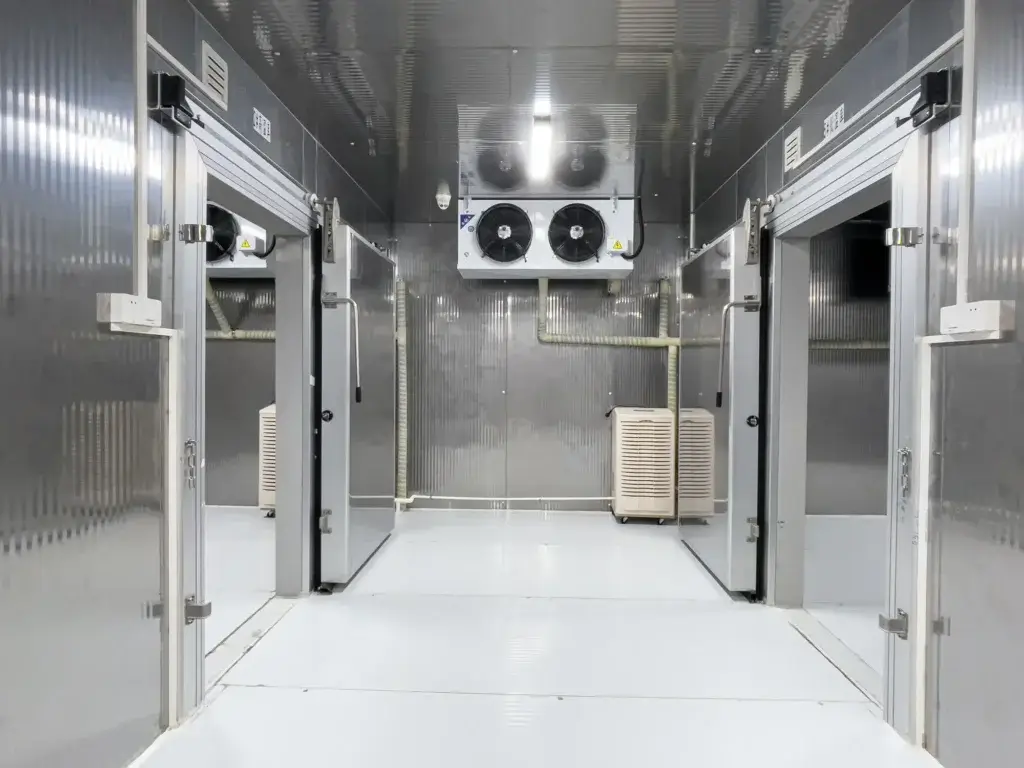
Pharmaceutical products often require strict temperature control to ensure efficacy and regulatory compliance.
Industrial cold rooms are commonly used for:
- Vaccines
- Medicines
- Biological products
- Pharmaceutical raw materials
Reliable temperature monitoring and traceability are essential in pharmaceutical storage environments.
Chemical, Resin and Adhesive Industry
Many industrial materials are highly sensitive to temperature fluctuations.
Examples include:
- Epoxy resins
- Polyurethane resins
- Industrial adhesives
- Specialty chemicals
- Coating materials
Improper storage conditions may result in:
- Changes in viscosity
- Reduced performance
- Premature chemical reactions
- Shortened shelf life
For these applications, temperature stability is often more important than extremely low temperatures.
Industrial Manufacturing and Warehousing
Manufacturing facilities use cold storage for temperature-sensitive materials, production inventory, and high-value products.
Common applications include:
- Composite materials
- Electronic materials
- Industrial components
- Specialized raw materials
Cold storage helps maintain material performance and improve supply chain reliability.
Common Types of Industrial Cold Storage
Selecting the appropriate cold room type is one of the most important decisions during project planning.
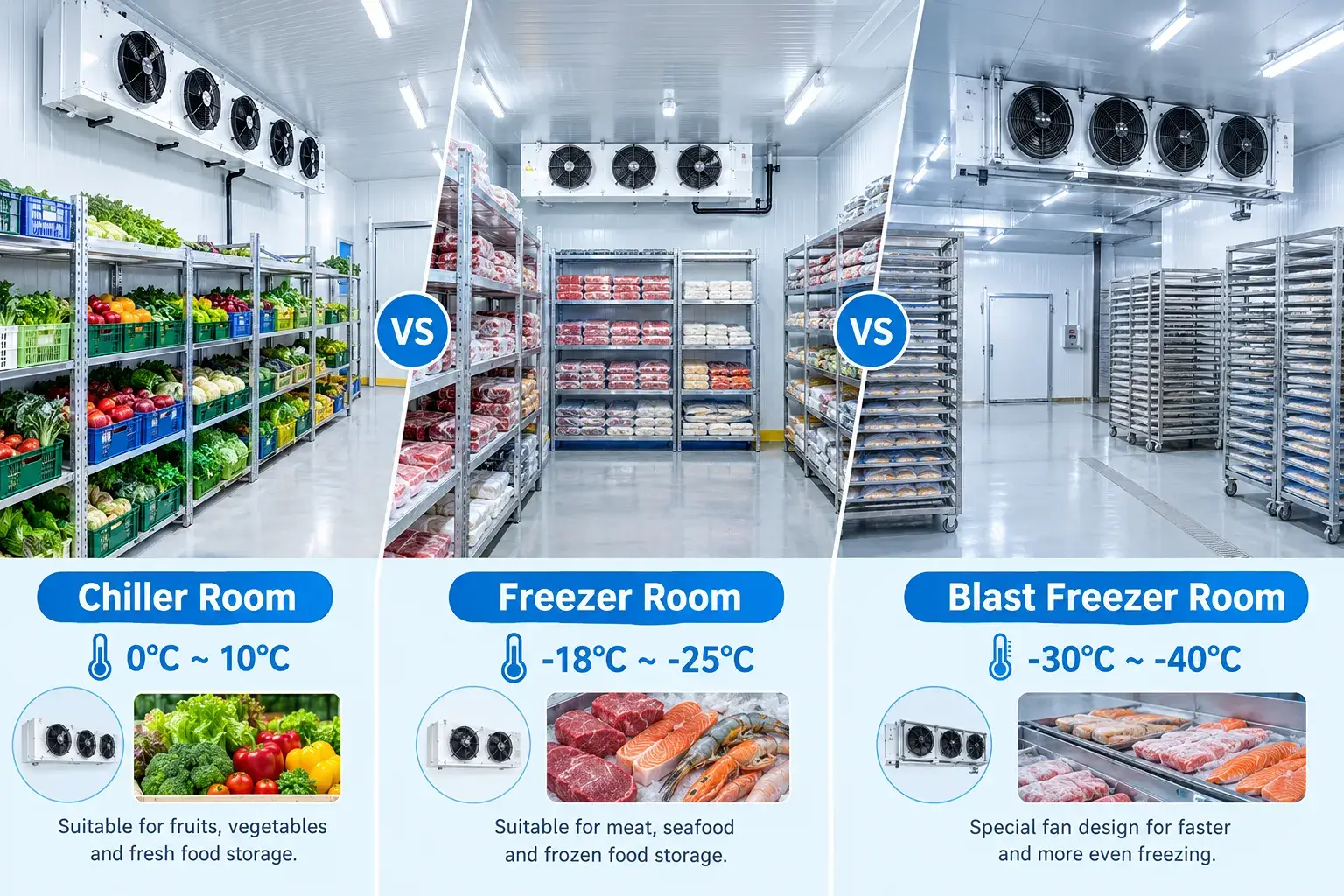
Chilled Storage Rooms
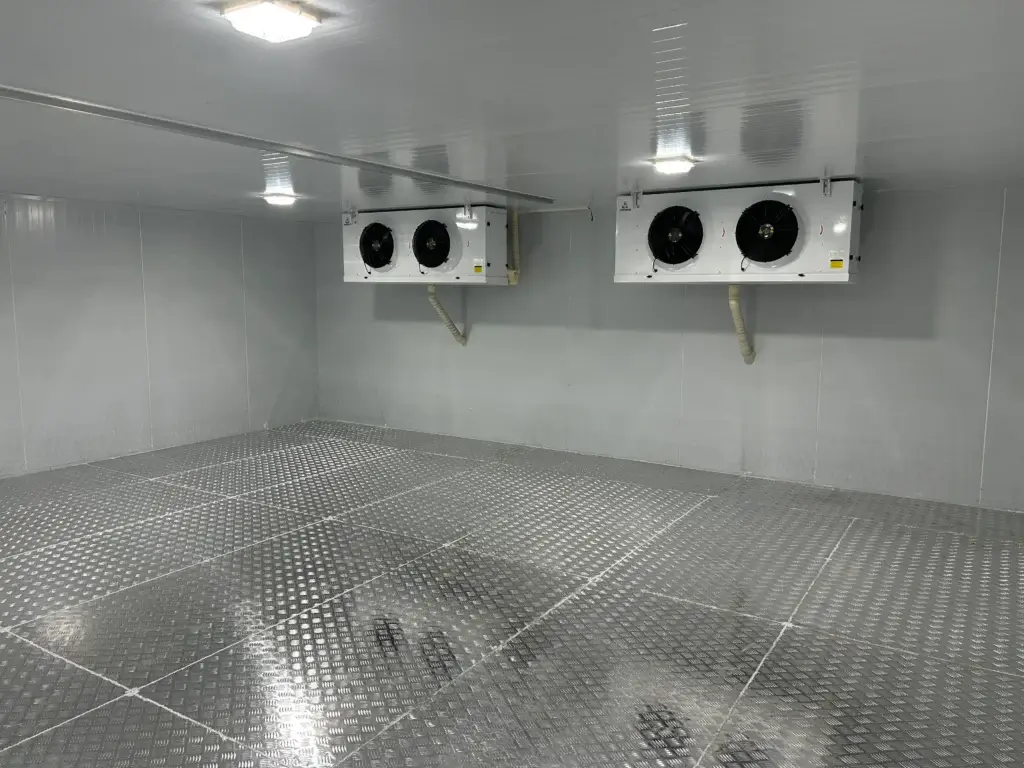
Typical Temperature:
0°C to 10°C
Applications:
- Fresh food
- Dairy products
- Beverages
- Pharmaceutical products
Key Features:
- High product turnover
- Frequent door openings
- Fast temperature recovery requirements
Frozen Storage Rooms
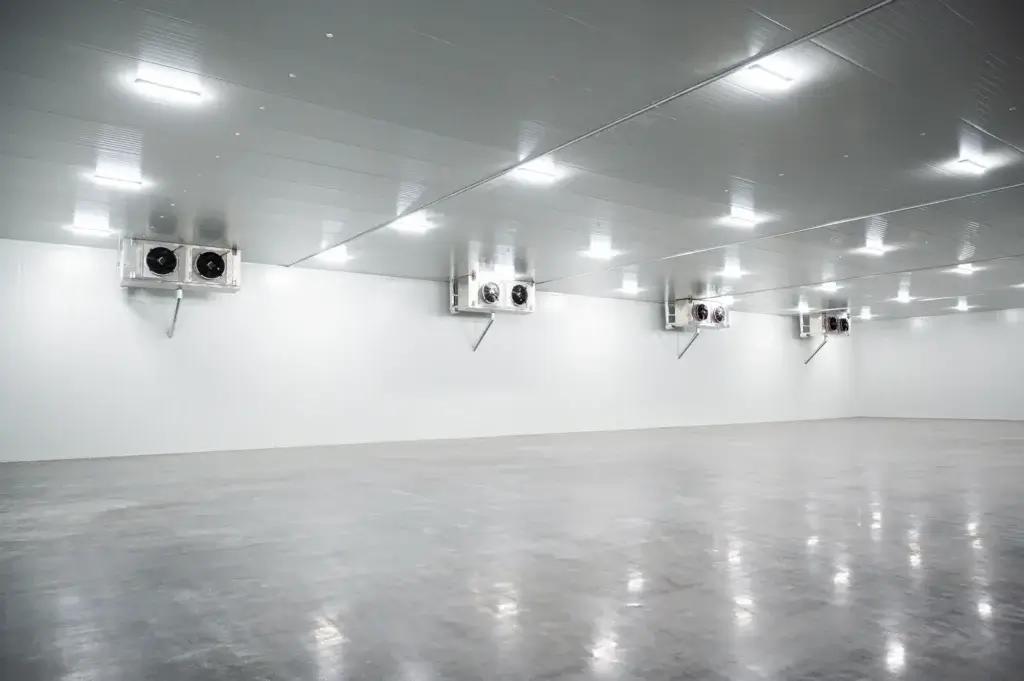
Typical Temperature:
-18°C to -25°C
Applications:
- Frozen food
- Meat and poultry
- Seafood
- Cold chain distribution centers
Key Features:
- Long-term storage
- High inventory capacity
- Stable low-temperature environment
Temperature-Controlled Storage Rooms
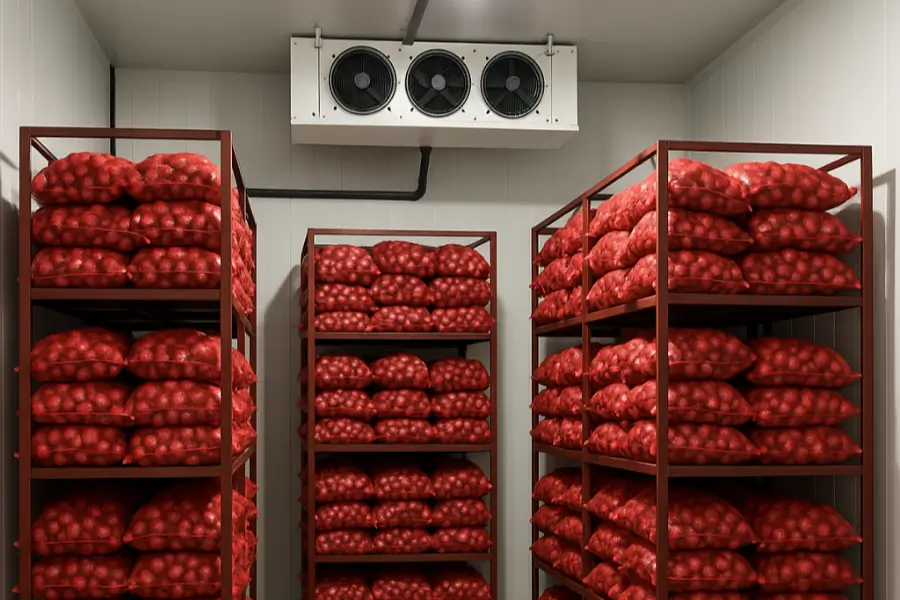
Typical Temperature:
5°C to 20°C
Applications:
- Resins
- Adhesives
- Chemicals
- Industrial materials
Key Features:
- Temperature stability
- Humidity control
- Material protection
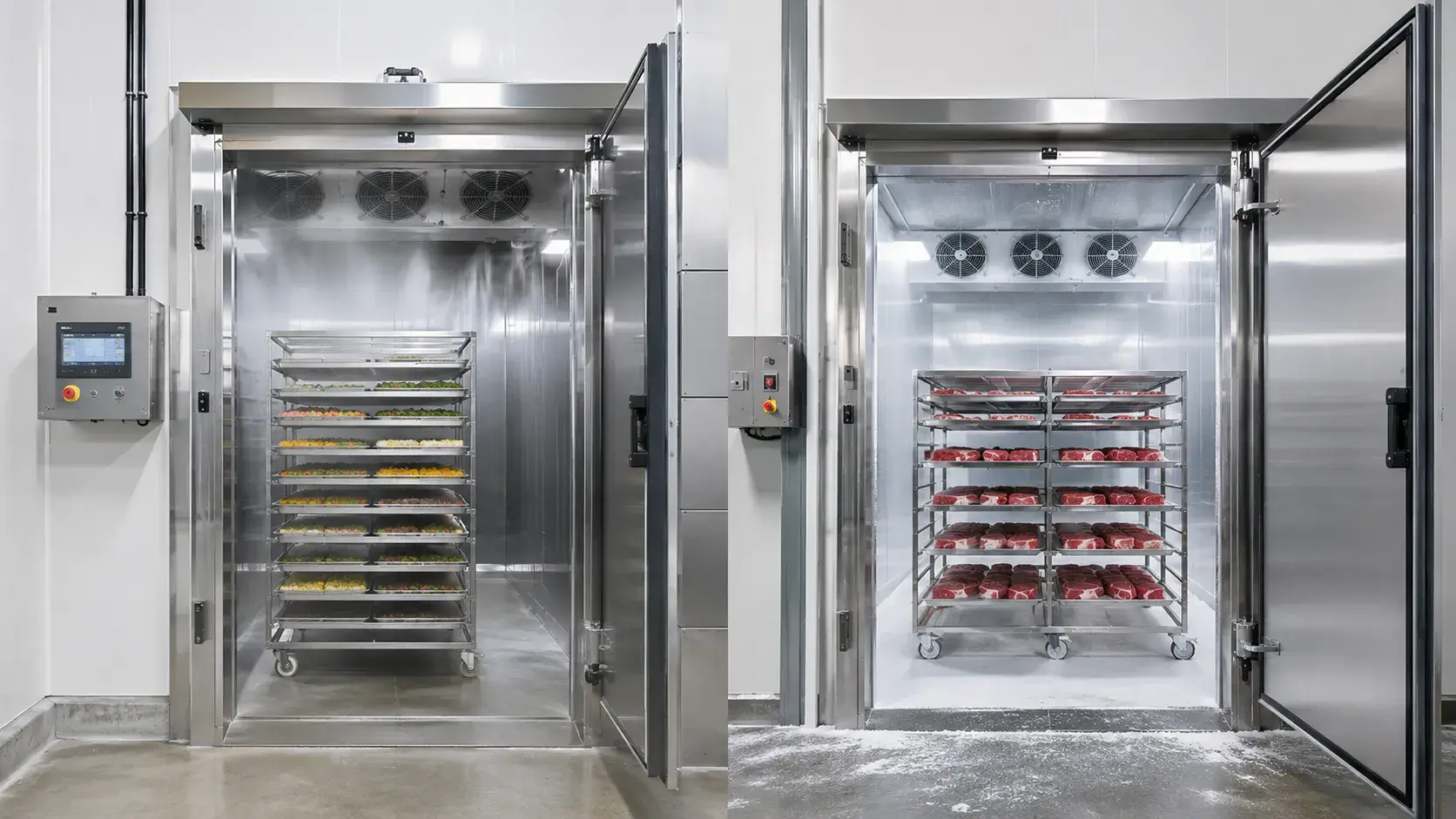
Blast Freezer Rooms
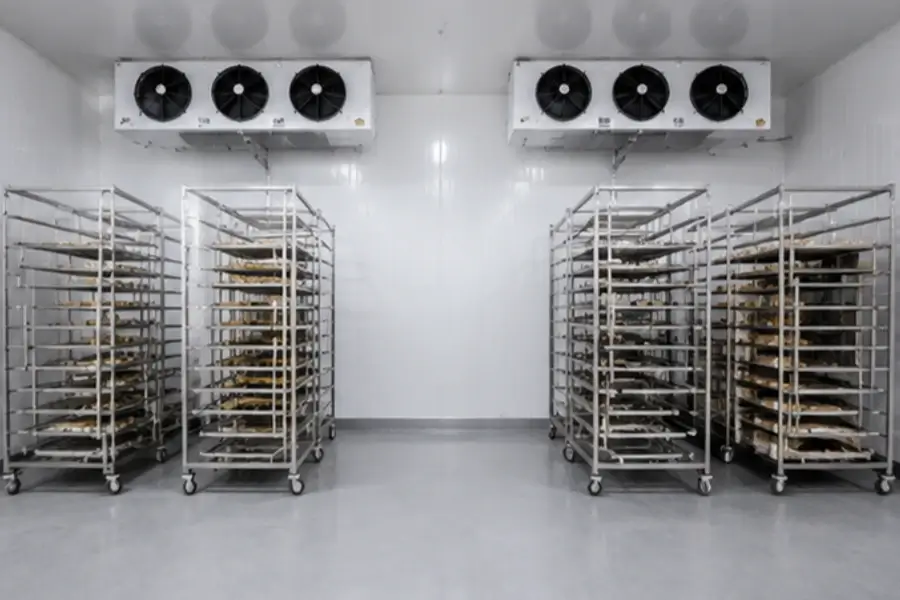
Typical Temperature:
-30°C to -40°C
Applications:
- Food processing plants
- Central kitchens
- Prepared meal production
Key Features:
- Rapid cooling
- Improved product quality
- Reduced bacterial growth risk
Key Components of an Industrial Cold Storage System
The performance of an industrial cold room depends on the integration of several critical components.
Cold Room Insulation Panels
Insulation panels minimize heat transfer from the surrounding environment.
Common panel thicknesses include:
- 100 mm
- 150 mm
- 200 mm
Proper insulation significantly reduces refrigeration load and operating costs.
Industrial Refrigeration Units
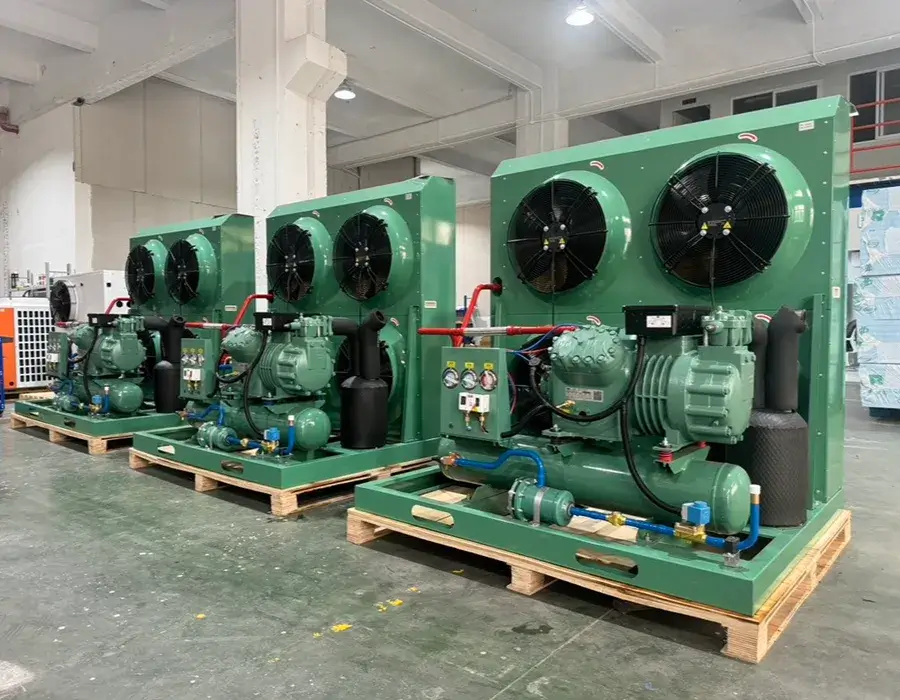
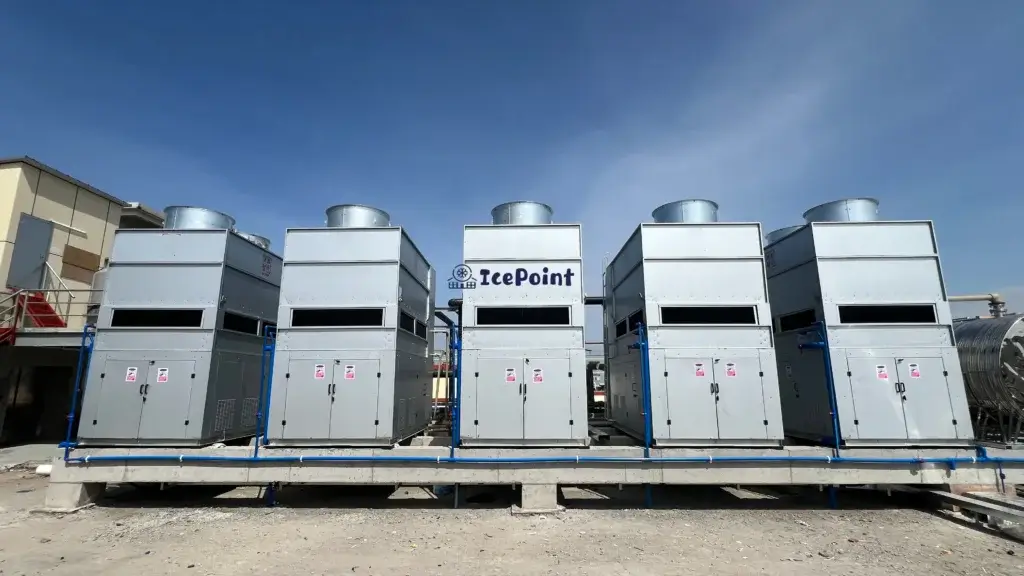
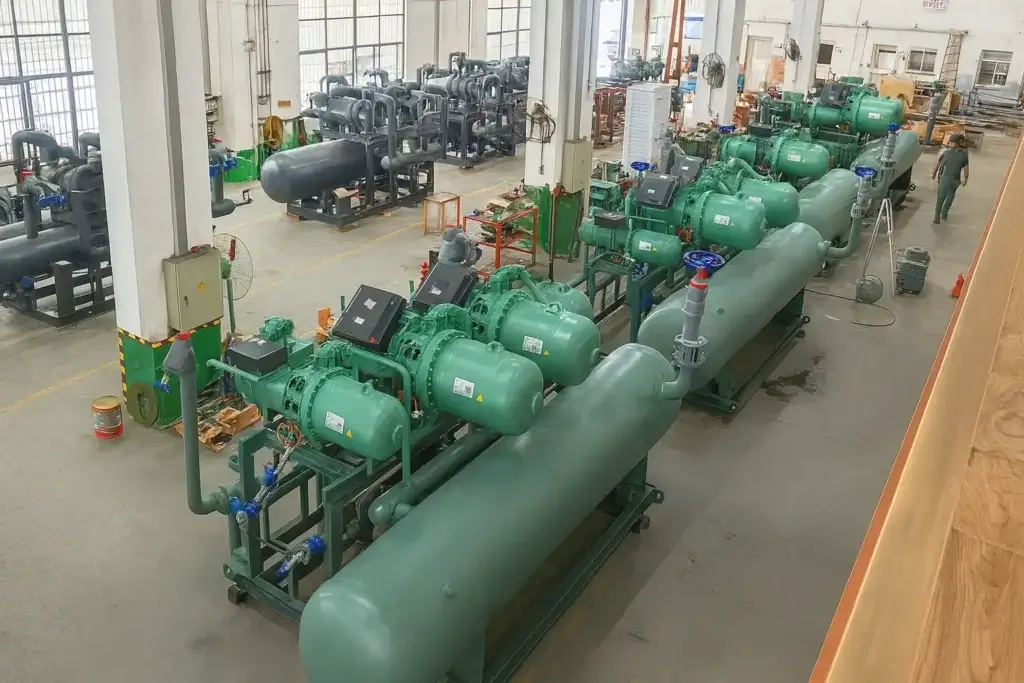
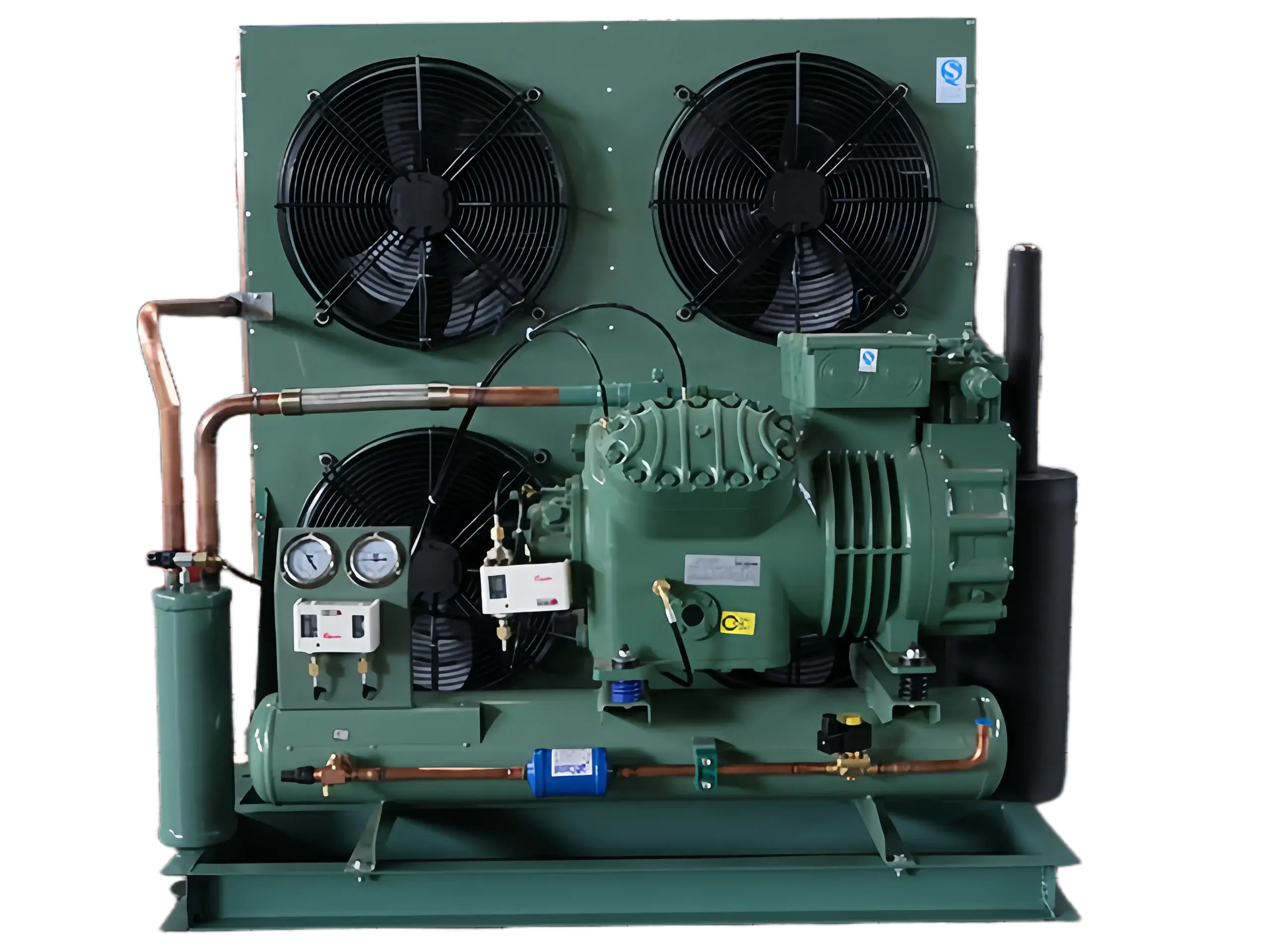
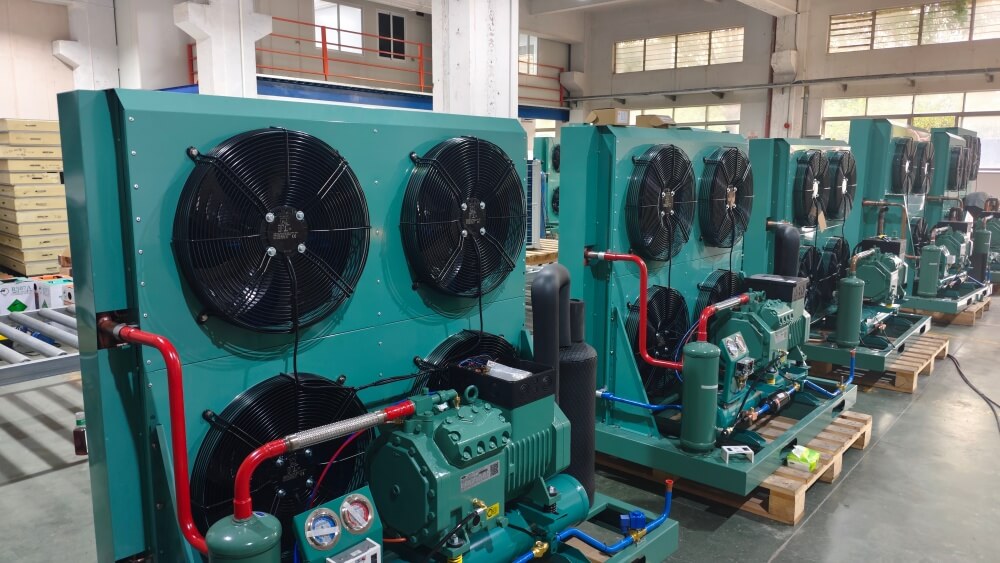
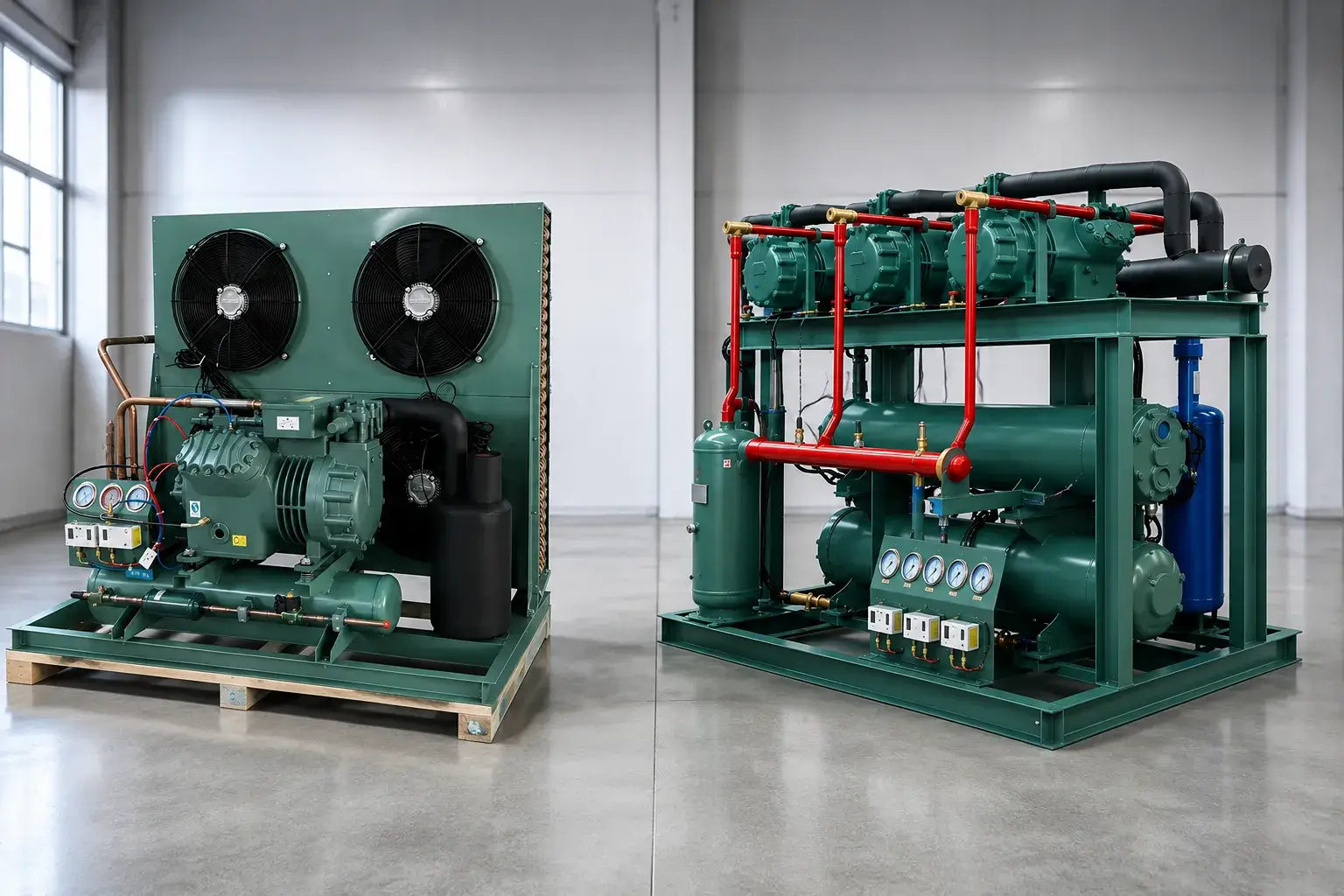
The refrigeration unit is the core of the cold storage system.
Common compressor brands include:
- Bitzer
- Copeland
Equipment selection should be based on actual thermal load calculations rather than cold room size alone.
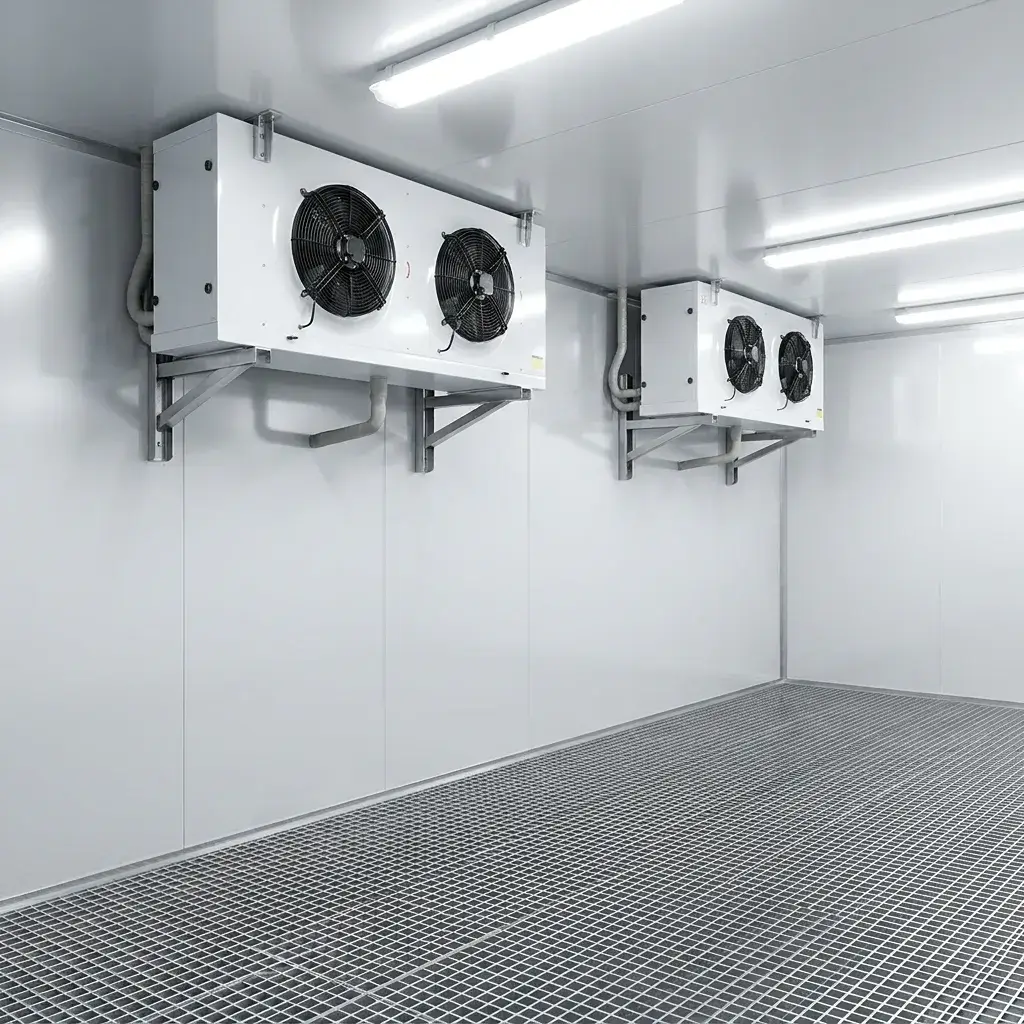
Evaporators and Air Coolers
Evaporators distribute cold air throughout the storage space.
Their performance affects:
- Temperature uniformity
- Cooling efficiency
- Product protection
Proper airflow design helps eliminate hot spots and uneven cooling.
Cold Room Doors
Door systems have a direct impact on energy consumption and temperature stability.
Common options include:
- Sliding doors
- Hinged doors
- High-speed doors
For high-throughput facilities, high-speed doors can significantly reduce cold air loss.
Monitoring and Control Systems
Modern industrial cold storage systems increasingly rely on intelligent control technologies.
Typical solutions include:
- PLC control systems
- IoT monitoring platforms
- Temperature data logging
- Remote alarm systems
These technologies improve operational visibility and reduce the risk of temperature-related failures.
Industrial Cold Storage Design Considerations
A successful cold storage project begins with proper engineering design.
Thermal Load Calculation
Thermal load calculations determine refrigeration capacity requirements.
Key factors include:
- Product temperature
- Daily throughput
- Personnel heat load
- Equipment heat load
- Lighting load
- Air infiltration
Accurate calculations help prevent both under-sizing and over-sizing.
Product Characteristics
Different products require different storage environments.
Design considerations include:
- Storage temperature
- Humidity requirements
- Product sensitivity
- Inventory turnover rate
Understanding the product is the foundation of an effective cold room design.
Airflow Design
Air distribution is often overlooked during project planning.
A well-designed airflow system should:
- Maintain uniform temperatures
- Eliminate hot zones
- Improve cooling efficiency
- Protect stored products
In many projects, airflow performance has a greater impact on product quality than refrigeration capacity itself.
Energy Efficiency
Energy consumption is one of the largest long-term operating expenses.
Important energy-saving measures include:
- High-performance insulation
- Energy-efficient refrigeration units
- Intelligent control systems
- Optimized airflow design
A well-designed system can significantly reduce lifecycle operating costs.
Common Mistakes in Industrial Cold Storage Projects
Many operational problems originate during the design stage.
Designing Based Only on Floor Area
Cold room size alone does not determine refrigeration requirements.
Thermal load analysis should always come first.
Ignoring Future Expansion
Production volumes often increase over time.
Failing to consider future growth may result in costly upgrades later.
Poor Airflow Design
Common airflow problems include:
- Blocked air circulation
- Uneven cooling
- Persistent hot spots
- Reduced refrigeration efficiency
Incorrect Equipment Selection
Undersized equipment may struggle under peak operating conditions, while oversized systems can increase energy consumption unnecessarily.
Proper system matching is essential.
How to Choose the Right Industrial Cold Storage Solution
Every industrial facility has unique operating requirements.
Key factors to evaluate include:
- Product type
- Storage temperature
- Storage capacity
- Daily throughput
- Operational workflow
- Expansion plans
There is no universal cold storage solution suitable for every application.
Most industrial projects require customized engineering and refrigeration system design.
Conclusion
Industrial cold storage is no longer simply a refrigeration facility. It has become a critical part of industrial production, warehousing, and logistics operations.
The success of an industrial cold storage project depends on:
- Selecting the appropriate cold room type
- Accurate refrigeration system design
- Reliable equipment configuration
- Efficient airflow management
- Long-term operational stability
When properly designed, industrial cold rooms improve product quality, increase operational efficiency, and support long-term business growth.
We Design and Manufacture Industrial Cold Rooms
We design and manufacture industrial cold rooms for use in industrial production facilities, large-scale warehouses, and logistics centres worldwide.
Our solutions are widely used in:
- Food Processing Plants
- Pharmaceutical Warehouses
- Chemical Storage Facilities
- Resin Storage Rooms
- Industrial Warehouses
- Logistics Distribution Centres
Our engineering team can provide:
✓ Cold Room Design
✓ Refrigeration System Selection
✓ Thermal Load Calculation
✓ Energy Consumption Analysis
✓ Complete Turnkey Installation Solutions
Whether you are planning a new industrial cold storage facility or expanding an existing operation, we can help you develop a customized solution tailored to your products, operating conditions, and business goals.
Contact us today to discuss your project requirements and receive a professional cold storage recommendation.